Weather Patterns Across North India: An Overview
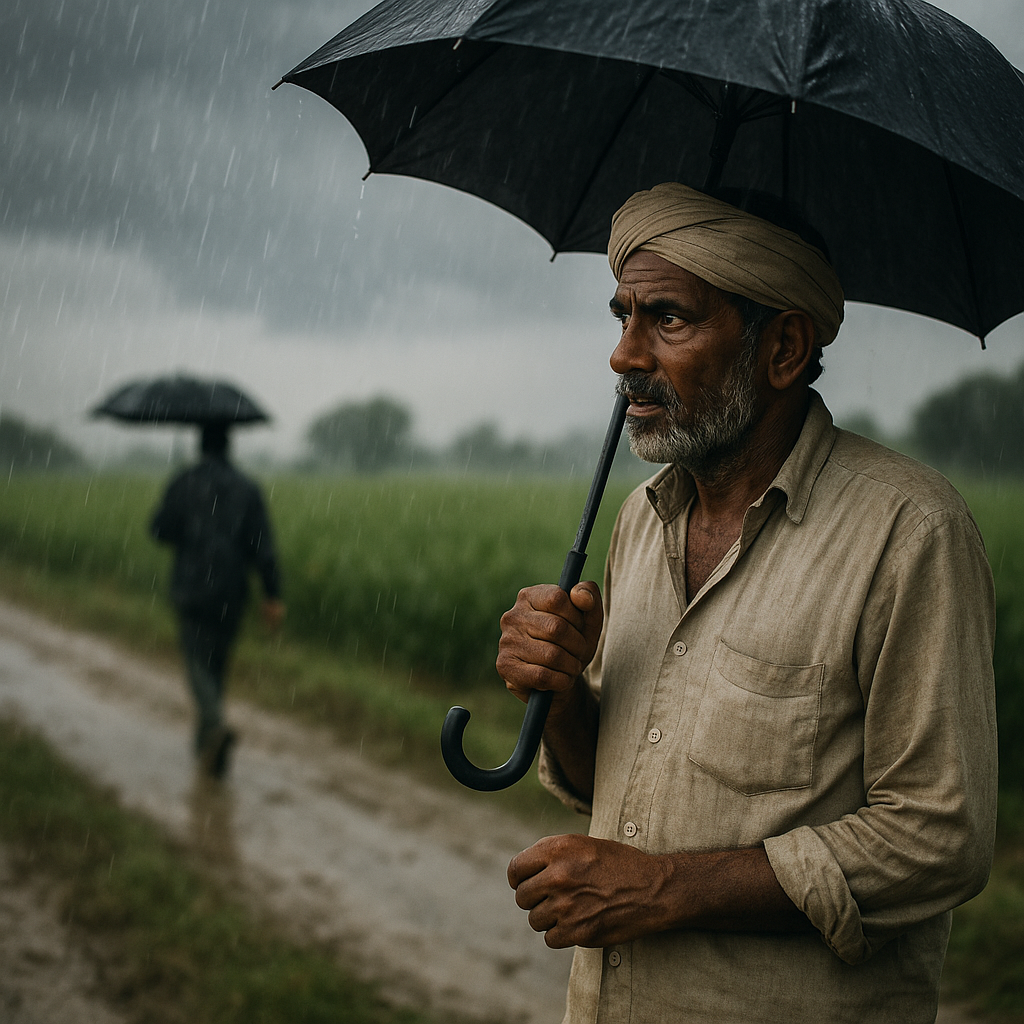
North India is currently experiencing a diverse range of weather conditions that significantly impact daily activities, travel plans, and agricultural operations. With the Indian Meteorological Department issuing alerts for thunderstorms and heavy rains across several states, it is crucial for residents, travelers, and farmers to stay informed about these developments. Understanding these weather patterns can help mitigate their adverse effects and enable better planning.
Background: North India's Climate Dynamics
North India is known for its varied climate, ranging from the arid deserts of Rajasthan to the fertile plains of Punjab and the mountainous regions of Himachal Pradesh. This diversity results in complex weather patterns, especially during the monsoon season. Typically, the monsoon arrives in June and brings much-needed rainfall to the region, crucial for agriculture and water resources.
Current Weather Alerts: What Changed?
Recently, the Indian Meteorological Department has issued warnings for thunderstorms and heavy rains affecting 17 states, including parts of the Northeast. This is a significant development, as such weather conditions can disrupt normal life. The alerts suggest that travelers and residents should prepare for potential disruptions, including flight delays and road closures.
Travel Implications: What You Need to Know
Travelers planning to visit or move across North India should be particularly cautious. Weather alerts indicate potential disruptions, such as flight delays and road closures. For instance, heavy rains can lead to waterlogging and traffic snarls, while thunderstorms might affect flight schedules. It is advisable to check local forecasts and travel advisories before embarking on any journey.
City-Specific Weather Updates
- Mumbai: The city has experienced recent rains, providing some relief from the heat and potentially easing travel conditions.
- Bengaluru: With cloudy skies and temperatures around 28°C, outdoor activities might be affected, although travel disruptions are minimal.
- Delhi: Light showers have been reported, which could lead to minor travel delays, especially during peak hours.
Agricultural Impact: Challenges and Opportunities
The monsoon's pause, influenced by five opposing weather systems, presents both challenges and opportunities for agriculture in North India. Farmers depend heavily on monsoon rains for crop irrigation, and any delay can adversely affect crop yields. However, the current weather alerts also suggest the potential for localized heavy rains, which could benefit certain areas.
Adaptation Strategies for Farmers
- Regularly monitor weather forecasts to adjust planting and harvesting schedules accordingly.
- Consider alternative irrigation methods, such as drip irrigation, to compensate for delayed monsoon rains.
- Stay informed about government advisories and support programs available during adverse weather conditions.
Why It Matters: Economic and Social Implications
The weather patterns in North India have far-reaching implications beyond immediate disruptions. Agriculture is a significant part of the region's economy, and any impact on crop yields can affect food supply and prices. Similarly, travel disruptions can hinder business activities and tourism, affecting the local economy. Understanding these implications is crucial for stakeholders to develop effective response strategies.
Safety Precautions During Adverse Weather
With thunderstorms and heavy rain alerts in place, safety becomes a priority. Residents should secure loose outdoor items, avoid flooded areas, and ensure that emergency supplies are accessible. Travelers should plan routes that avoid areas prone to flooding and check transportation updates frequently to avoid unexpected delays.
Limitations and Uncertainties
While weather forecasts provide a general overview, specific details on the impact in different cities across North India are limited. Additionally, the exact implications on agriculture due to the paused monsoon are not fully clear. Continuous updates from reliable sources are essential to stay informed and adapt plans accordingly.
What Readers Should Watch Next
Readers should keep an eye on updates from the Indian Meteorological Department and local news outlets for the latest weather forecasts and advisories. Additionally, monitoring government announcements regarding agricultural support programs can provide valuable information for farmers.
Sources and Method
Our analysis is based on multiple reputable sources, including The Tribune and Curly Tales. These sources provide consistent updates and alerts about the current weather conditions.
Practical Takeaway
Staying informed about weather forecasts and alerts is crucial for planning travel and agricultural activities. Regular updates from reliable sources can help mitigate risks and adapt plans to ensure safety and productivity.
Additional source links:
Why this matters
For readers following Impact of North India's Weather on Travel and Agriculture, the useful takeaway is not just the headline. The important part is understanding what the available report confirms, what it leaves open, and why later updates may change the picture.
This article keeps the wording cautious because the source material is the factual boundary. The added context is meant to help readers understand the development without turning early information into unsupported claims.
Comments
Post a Comment