Understanding the Microsoft 365 Phishing Threat
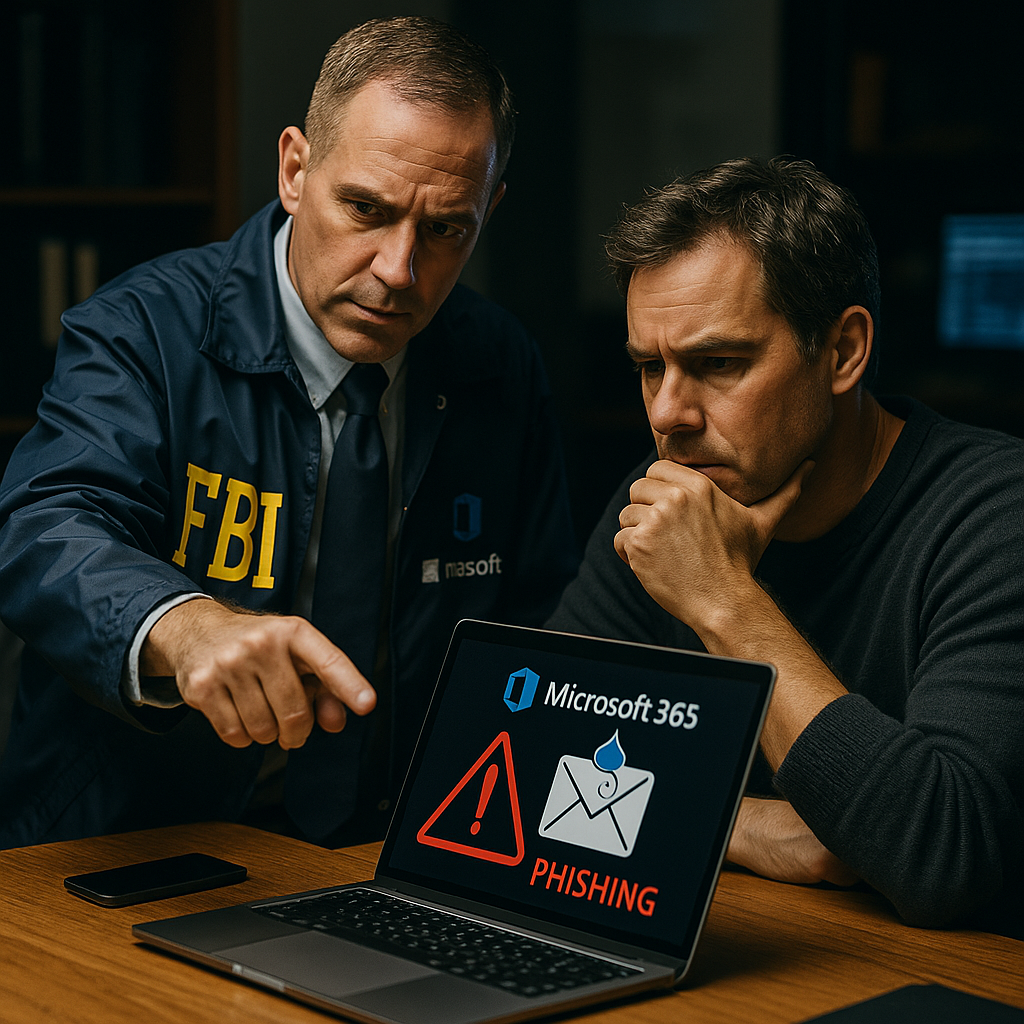
Phishing scams targeting Microsoft 365 users have become increasingly sophisticated, posing significant risks to businesses and individual users alike. The FBI has recently issued a warning about a campaign that exploits vulnerabilities in Microsoft 365 accounts, even bypassing multi-factor authentication (MFA). This alert is crucial for Indian businesses, IT professionals, and general users who rely on Microsoft 365 for daily operations.
What Makes Microsoft 365 a Target?
Microsoft 365 is widely used across various sectors due to its comprehensive suite of productivity tools. This popularity makes it an attractive target for cybercriminals looking to exploit security weaknesses. The recent phishing campaign highlights the need for robust cybersecurity measures to protect sensitive data and maintain operational integrity.
FBI's Key Findings on the Phishing Campaign
The FBI's alert reveals that the phishing campaign utilizes a tool known as the Kali365 phishing kit. This kit is capable of bypassing Microsoft 365's MFA, which is typically a strong defense against unauthorized access. The attackers' ability to circumvent such security measures underscores the sophistication of their methods.
Recognizing Phishing Attempts
Phishing attempts often come in the form of emails or messages that appear to be from legitimate sources. Here are some common indicators of phishing:
- Emails with urgent or threatening language prompting immediate action.
- Unfamiliar email addresses or domains that do not match official company addresses.
- Links that direct to websites mimicking legitimate login pages.
- Requests for personal information or login credentials.
Steps to Prevent Phishing Attacks
To safeguard against phishing attacks, businesses and users should implement the following measures:
- Educate Employees: Conduct regular training sessions to help employees recognize phishing attempts and understand the importance of cybersecurity.
- Enable Advanced Threat Protection: Use security tools that offer advanced threat protection to detect and block phishing emails.
- Implement Strong Authentication: While MFA is essential, consider additional layers of security such as biometric authentication.
- Regularly Update Software: Ensure all software, including security patches, is up-to-date to protect against known vulnerabilities.
Real-World Examples of Phishing Scams
In recent years, several high-profile organizations have fallen victim to phishing scams, resulting in data breaches and financial losses. These incidents highlight the importance of vigilance and proactive security measures. By learning from these examples, businesses can better prepare and protect themselves.
Why This Matters
Understanding the implications of these phishing attacks is crucial for businesses and individuals who rely on Microsoft 365. The ability of attackers to bypass MFA means that even those who have implemented basic security measures are at risk. This underscores the need for a comprehensive security strategy that goes beyond standard practices.
Limitations and Challenges
While the FBI has provided valuable insights into the phishing campaign, specific technical details on how the Kali365 phishing kit bypasses MFA are not fully disclosed. Additionally, the scale of the campaign and the number of affected accounts remain unclear. Businesses should stay informed about emerging threats and continuously adapt their security strategies.
What Readers Should Watch Next
Readers should remain vigilant for updates from credible sources regarding new phishing tactics and security vulnerabilities. Engaging with cybersecurity communities and forums can also provide timely information and practical advice on safeguarding digital assets.
Sources and Method
The information in this analysis is based on reports from credible sources, including The Times of India and Biometric Update. These sources provide a comprehensive overview of the FBI's warning and the associated cybersecurity implications.
Additional source links:
Why this matters for readers
For readers following How to Recognize and Prevent Microsoft 365 Phishing Scams: Insights from the FBI, the useful takeaway is not just the headline. The important part is understanding what the available report confirms, what it leaves open, and why later updates may change the picture.
This article keeps the wording cautious because the source material is the factual boundary. The added context is meant to help readers understand the development without turning early information into unsupported claims.
What is still unclear
The linked source does not answer every possible follow-up question. Timelines, official responses, wider impact, and next steps may need clearer reporting before readers can treat them as settled facts.
Where the evidence is limited, the safer reading is to treat the current details as a snapshot. That approach protects readers from overconfident summaries and keeps the post useful even as the story develops.
Comments
Post a Comment