Understanding PM Kisan Yojana
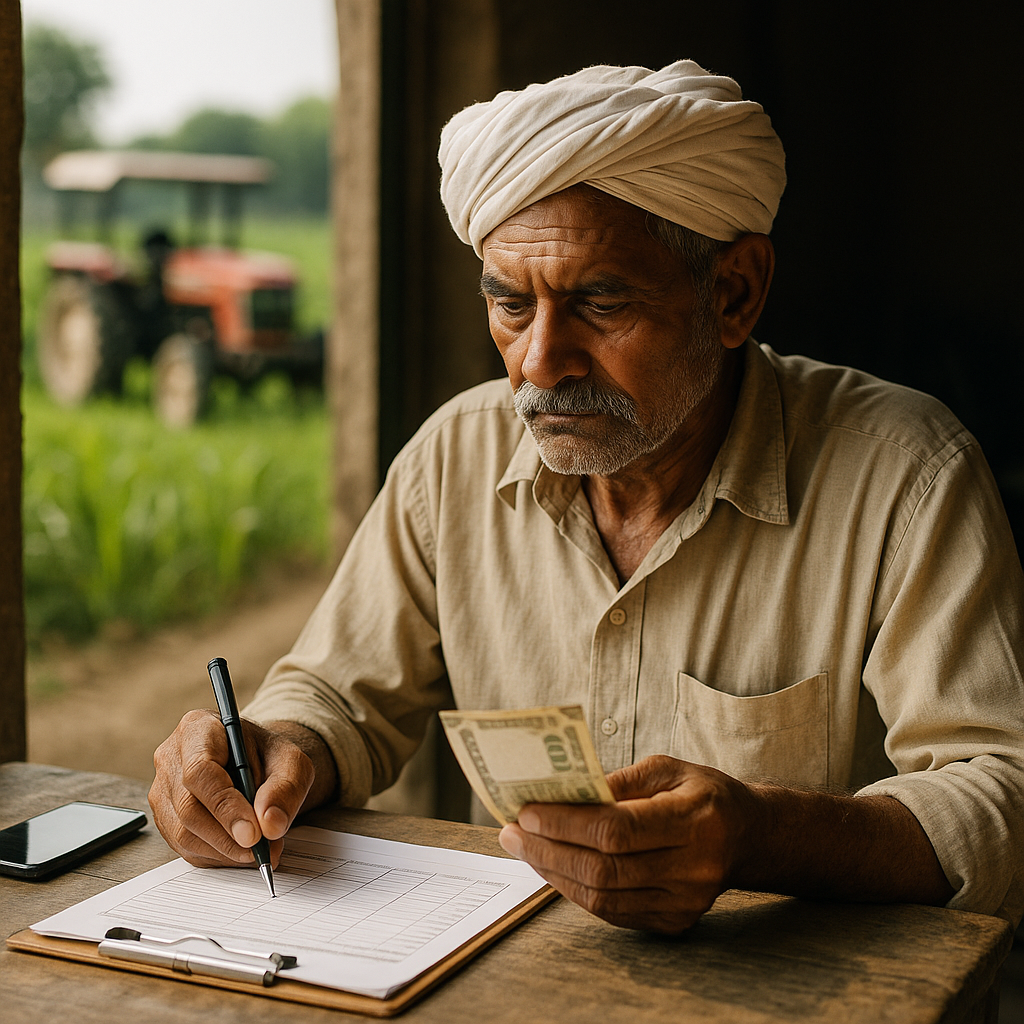
The Pradhan Mantri Kisan Samman Nidhi (PM-KISAN) is a flagship initiative by the Government of India aimed at providing financial assistance to farmers. This scheme is designed to support farmers in managing their agricultural expenses, thereby improving their livelihoods. With the 22nd instalment set to be released soon, it is crucial for farmers to understand the application process, eligibility criteria, and the implications of recent updates.
Background of PM Kisan Yojana
Launched in February 2019, the PM Kisan Yojana aims to provide income support to all landholding farmer families in the country. Under this scheme, eligible farmers receive a financial benefit of Rs 6,000 per year, payable in three equal instalments of Rs 2,000 each. This initiative is expected to benefit over 12 crore farmers across India, providing them with the necessary financial support to purchase inputs such as seeds and fertilizers.
Eligibility Criteria for PM Kisan Yojana
To qualify for the PM Kisan Yojana, applicants must meet specific criteria. The scheme primarily targets small and marginal farmers. The key eligibility requirements include:
- Farmers must own cultivable land.
- Land ownership should be in the farmer's name.
- Applicants must be registered with the local agricultural office.
- Exclusions include institutional landholders, farmer families holding constitutional posts, and individuals who paid income tax in the previous assessment year.
Application Process for PM Kisan Yojana
Applying for PM Kisan Yojana is a straightforward process, primarily conducted online. Here’s a step-by-step guide for farmers:
- Visit the official PM Kisan website.
- Click on the 'New Farmer Registration' link.
- Enter your Aadhaar number and other personal details.
- Submit the form and wait for verification.
- Once verified, the financial assistance will be credited to your bank account.
Recent Updates on PM Kisan Yojana
Prime Minister Narendra Modi is set to release the 22nd instalment of the PM-KISAN scheme on March 13. This instalment will transfer Rs 18,640 crore to 9.32 crore farmers, providing a significant boost to their financial stability. The timely release of funds aims to support farmers during the crucial planting season, ensuring they have the necessary resources to invest in their crops.
Impact on Farmers and the Agricultural Sector
The PM Kisan Yojana has been instrumental in supporting farmers financially. The upcoming instalment is expected to further aid farmers in purchasing seeds, fertilizers, and other necessary inputs for their crops. While the immediate financial relief is beneficial, the long-term impact on the agricultural sector includes improved productivity and sustainability. However, the full extent of these benefits will require further assessment over time.
Challenges and Limitations
Despite its benefits, the PM Kisan Yojana faces several challenges. Some farmers report delays in receiving payments, which can disrupt their financial planning. Additionally, the online application process poses difficulties for those with limited digital literacy. The scheme's exclusion criteria mean that not all farmers can benefit, particularly those who do not own land or fall under the exclusion categories.
What Readers Should Watch Next
Farmers and stakeholders should stay informed about the latest updates and changes to the PM Kisan Yojana. Keeping track of instalment dates and ensuring all documentation is correct can prevent delays in receiving benefits. Additionally, understanding the broader implications of government policies on agriculture can help farmers make informed decisions about their practices and investments.
Sources and Method
Information for this article was gathered from reputable sources, including DD News and Newsonair. These sources confirm the details of the 22nd instalment release and provide insights into the scheme's operation.
Additional source links:
Why this matters
For readers following How to Apply for PM Kisan Yojana: Eligibility, Benefits, and Recent Updates, the useful takeaway is not just the headline. The important part is understanding what the available report confirms, what it leaves open, and why later updates may change the picture.
This article keeps the wording cautious because the source material is the factual boundary. The added context is meant to help readers understand the development without turning early information into unsupported claims.
What is still unclear
The linked source does not answer every possible follow-up question. Timelines, official responses, wider impact, and next steps may need clearer reporting before readers can treat them as settled facts.
Where the evidence is limited, the safer reading is to treat the current details as a snapshot. That approach protects readers from overconfident summaries and keeps the post useful even as the story develops.
Comments
Post a Comment