Understanding the Ayushman Bharat Scheme
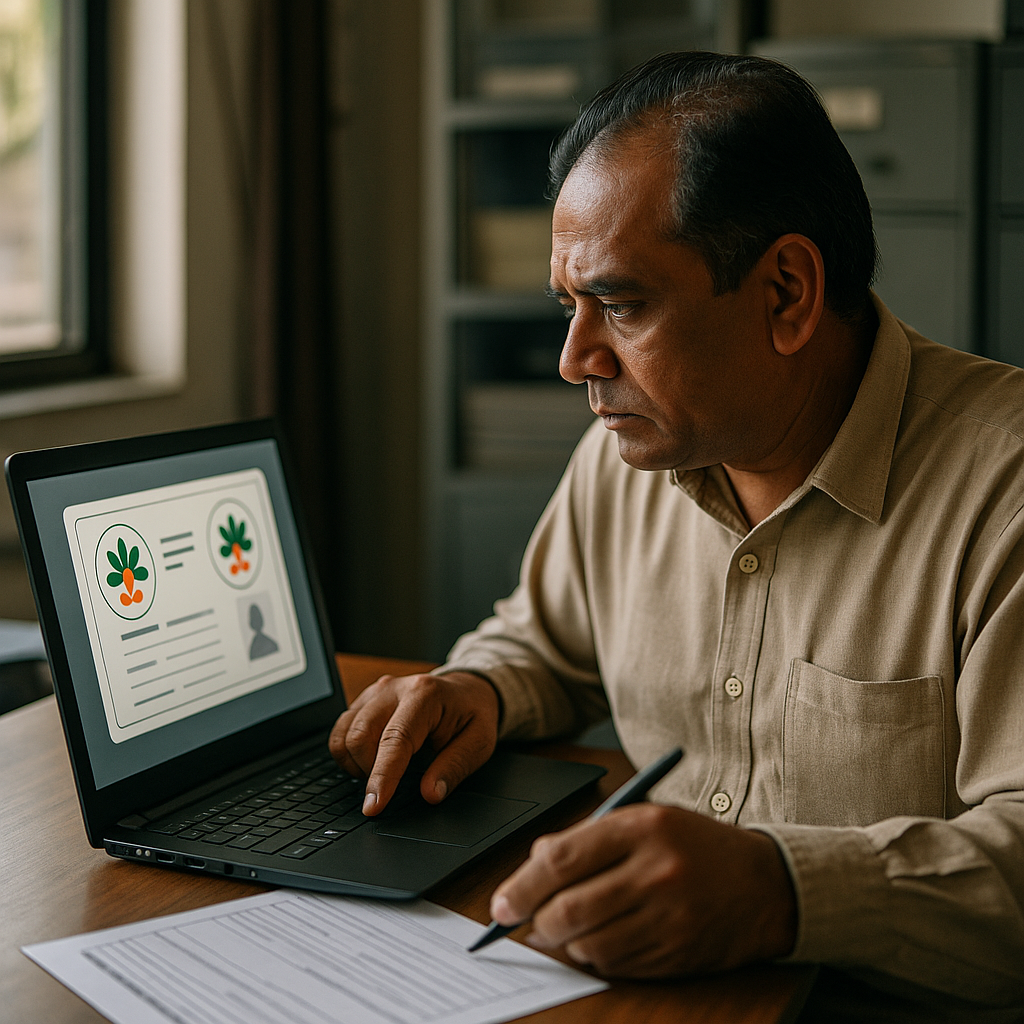
The Ayushman Bharat scheme, officially known as Pradhan Mantri Jan Arogya Yojana (PM-JAY), is a transformative healthcare initiative by the Indian government. It aims to provide financial protection to economically vulnerable families by offering free healthcare services up to ₹5 lakh per family per year at empaneled public and private hospitals. As the program continues to expand in 2026, understanding the application process for the Ayushman Bharat card is crucial for accessing these benefits.
Background of Ayushman Bharat
Launched in 2018, Ayushman Bharat marked a significant shift towards universal healthcare in India. The scheme is designed to address the healthcare needs of the poorest segments of society, ensuring that financial constraints do not prevent access to essential medical services. By leveraging the Socio-Economic Caste Census (SECC) data, the program identifies eligible families based on specific deprivation criteria, thus prioritizing the most vulnerable populations.
Eligibility Criteria for Ayushman Bharat
Eligibility for the Ayushman Bharat card is determined by several factors, primarily focusing on families identified through the SECC database. Key eligibility criteria include:
- Families listed in the SECC database under deprivation categories.
- Rural families without adult members aged between 16 and 59.
- Families with a disabled member and no able-bodied adult member.
- Households without a literate adult above 25 years.
These criteria ensure that the most vulnerable populations are prioritized for healthcare coverage.
Required Documents for Application
Applicants must provide specific documents to verify their eligibility and identity. Required documents include:
- Aadhaar card for identity verification.
- SECC database details to confirm eligibility.
- Ration card or other proof of family structure.
- Income certificate, if applicable.
Ensuring these documents are accurate and up-to-date is essential for a successful application.
How to Apply for the Ayushman Bharat Card
The application process for the Ayushman Bharat card can vary slightly by state but generally follows these steps:
- Visit the Official Website: Start by visiting the official Ayushman Bharat website or your state's health department portal.
- Check Eligibility: Use the eligibility checker tool available on the website to verify your eligibility using your mobile number or Aadhaar number.
- Locate an Empaneled Hospital: Identify a nearby empaneled hospital or Common Service Center (CSC) that can assist with the application process.
- Submit Documents: Provide the necessary documents at the hospital or CSC for verification.
- Receive Your Card: Once verified, you will receive your Ayushman Bharat card, granting you access to healthcare benefits.
Applicants should ensure they follow the specific steps outlined by their state to avoid delays.
Benefits of the Ayushman Bharat Card
Possessing an Ayushman Bharat card offers several advantages, including:
- Cashless treatment at empaneled hospitals for specified secondary and tertiary care procedures.
- Coverage for pre-existing conditions from day one.
- Access to a wide network of public and private hospitals across India.
- Financial protection against catastrophic health expenditures.
These benefits significantly reduce the financial burden of healthcare costs for eligible families.
Current Rollout in West Bengal
In 2026, the Ayushman Bharat scheme is actively being rolled out in West Bengal. The state government, led by Chief Minister Suvendu Adhikari, has provided specific instructions for residents to apply for the card. The process involves visiting designated centers and ensuring all required documents are in place. This regional focus highlights the ongoing expansion of the scheme across India.
Limitations and Considerations
While the Ayushman Bharat scheme offers considerable benefits, there are limitations to consider. For instance, the comprehensive list of hospitals covered under the scheme is not readily available, and the application process may vary slightly between states. Additionally, some procedures may not be covered under the scheme, requiring out-of-pocket expenses. Applicants are encouraged to stay informed through official channels and local health departments for the most accurate and up-to-date information.
What Readers Should Watch Next
As the Ayushman Bharat scheme evolves, readers should watch for updates on eligibility criteria, changes in the list of empaneled hospitals, and any modifications to the application process. Staying informed through official government announcements and health department updates will ensure access to the latest information and benefits.
Sources and Method
This guide is based on information from reputable sources, including IndianEagle and Telegraph India. These sources provide a comprehensive overview of the application process and the benefits of the scheme.
Additional source links:
Comments
Post a Comment