Introduction: A New Dawn in Procurement Transparency
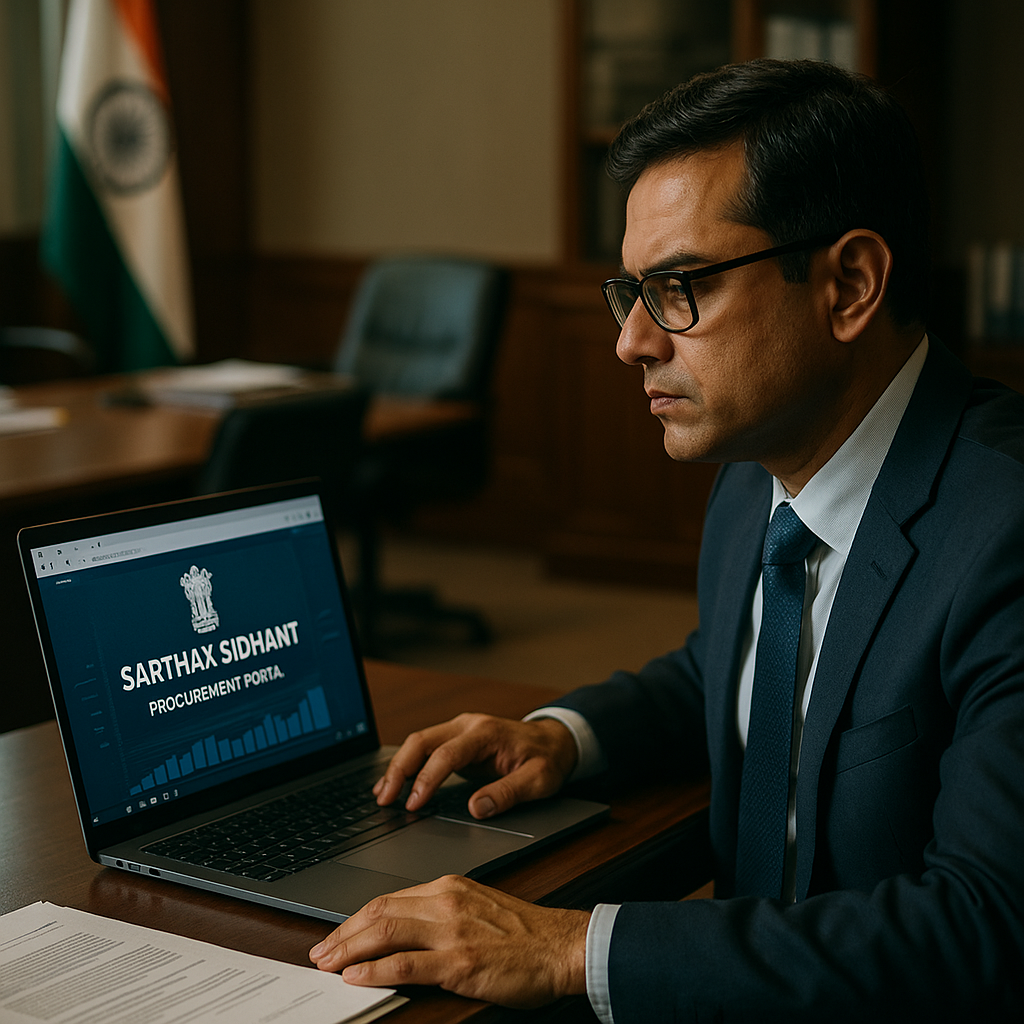
The launch of the Sarthak Sidhant procurement portal marks a significant step forward in enhancing transparency in government procurement. Developed by Sarthak Sidhant, a Class 12 student, this portal provides public access to 1.66 crore government procurement records. This initiative aims to address long-standing concerns about accountability and openness in government tenders, offering businesses and government agencies a valuable tool for oversight and analysis.
Background: The Genesis of the Portal
Sarthak Sidhant first gained public attention by identifying discrepancies in CBSE tenders. His critical examination of these tenders revealed significant gaps, sparking a broader discussion on procurement practices. Building on this momentum, Sidhant developed a portal that aggregates extensive data from government procurement records, making them accessible to the public.
Key Features of the Portal
The Sarthak Sidhant procurement portal is designed with several features aimed at enhancing user experience and data accessibility:
- Comprehensive Database: The portal hosts 1.66 crore records, offering a vast repository of government procurement data.
- User-Friendly Interface: Designed to be intuitive, the portal allows users to easily search and navigate through records.
- Open-Source Accessibility: The portal is open-source, encouraging transparency and enabling further development by the community.
- Regular Updates: The database is regularly updated to ensure the latest procurement records are available.
Benefits for Businesses
For business owners, the portal offers several advantages:
- Market Insights: Businesses can gain insights into government purchasing trends and identify potential opportunities.
- Competitive Analysis: By examining procurement records, companies can assess the competitive landscape and strategize accordingly.
- Informed Decision-Making: Access to detailed procurement data allows businesses to make informed decisions when bidding on government contracts.
Implications for Government Agencies
Government agencies stand to benefit significantly from the portal's transparency:
- Enhanced Accountability: The portal increases accountability by making procurement processes more transparent.
- Improved Efficiency: Agencies can streamline their procurement processes by analyzing historical data and identifying areas for improvement.
- Public Trust: By fostering transparency, the portal helps build public trust in government operations.
Challenges and Limitations
While the portal is a significant step forward, it is not without challenges:
- Data Accuracy: Ensuring the accuracy and completeness of procurement records is crucial for the portal's effectiveness.
- Technical Barriers: Users may face technical challenges in accessing and interpreting the data.
- Privacy Concerns: Balancing transparency with privacy considerations remains a critical issue.
What Readers Should Know
While the portal provides a wealth of information, the specific nature of the discrepancies identified in the CBSE tenders remains unclear. Additionally, the technical details of how the portal functions are not extensively covered in the available sources. Users should approach the data with these limitations in mind and consider additional verification when necessary.
What Readers Should Watch Next
As the portal continues to evolve, readers should watch for updates on data accuracy improvements and user interface enhancements. Additionally, observing how government agencies and businesses utilize the portal can provide insights into its impact on procurement practices.
Sources and Method
This analysis is based on information from multiple reputable sources, including The Federal and The Times of India. These sources provide consistent and reliable information about the portal's launch and its intended impact.
Practical Takeaway
For business owners, government officials, and procurement professionals, the Sarthak Sidhant procurement portal represents a significant advancement in transparency and accountability. By leveraging this tool, stakeholders can gain valuable insights, enhance decision-making processes, and contribute to a more open and efficient procurement environment.
Additional source links:
Why this matters
For readers following Exploring the Sarthak Sidhant Procurement Portal: A New Era for Government Transparency, the useful takeaway is not just the headline. The important part is understanding what the available report confirms, what it leaves open, and why later updates may change the picture.
This article keeps the wording cautious because the source material is the factual boundary. The added context is meant to help readers understand the development without turning early information into unsupported claims.
What is still unclear
The linked source does not answer every possible follow-up question. Timelines, official responses, wider impact, and next steps may need clearer reporting before readers can treat them as settled facts.
Where the evidence is limited, the safer reading is to treat the current details as a snapshot. That approach protects readers from overconfident summaries and keeps the post useful even as the story develops.
Comments
Post a Comment