Understanding the Evolution of Aadhaar Services
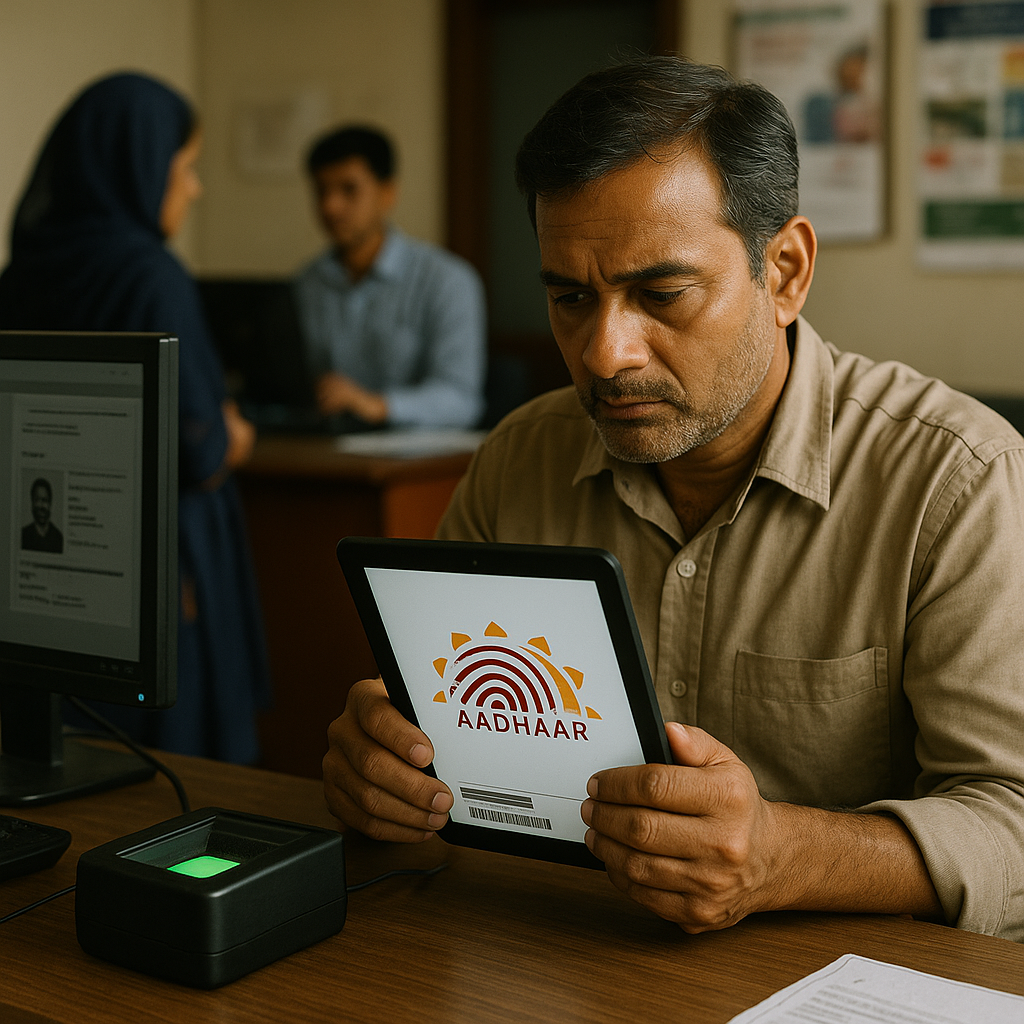
Aadhaar, India's unique identification system, has become a cornerstone of the country's digital infrastructure. As technology progresses, Aadhaar services are continually adapting to enhance security and accessibility, thereby facilitating easier access for citizens to government schemes and services. The integration of features like eSign and eStamping is a testament to this evolution, aiming to strengthen digital trust in governance.
Latest Developments in Aadhaar Security
Security has always been a fundamental aspect of Aadhaar services. Recent advancements have focused on bolstering this security. The introduction of eSign and eStamping technologies provides secure digital signatures and documentation, reducing the reliance on physical paperwork. These features are expected to streamline processes across various sectors, improving efficiency and reliability.
Impact on Access to Government Schemes
The integration of advanced security measures in Aadhaar has significant implications for public access to government schemes. By ensuring quick and reliable identity verification, Aadhaar facilitates easier access to essential services such as subsidies and healthcare benefits. This is particularly beneficial for rural and underprivileged communities, who often face difficulties in accessing government services due to logistical challenges.
Zoho Webinar: Exploring Digital Trust
A recent webinar hosted by Zoho focused on the role of Aadhaar eSign and eStamping in building digital trust. While specific details of the webinar's discussions are not fully disclosed, it highlighted the importance of these technologies in the evolving legal landscape. Participants explored how these tools can enhance security and trust in digital transactions, which is crucial as digital interactions become more prevalent.
International Interest: Fiji's Exploration of Aadhaar
The global interest in Aadhaar's capabilities is evident from Fiji Prime Minister Rabuka's visit to the Unique Identification Authority of India (UIDAI). During his visit, he explored the potential of Aadhaar and DigiLocker for improving governance in Fiji. Although the direct impact of this visit on Fiji's adoption of Aadhaar-like systems remains to be seen, it underscores the international appeal of India's digital identity solutions.
Challenges and Controversies
Despite its advantages, Aadhaar is not without its challenges. A recent incident involved a Delhi hotel owner who assisted Bangladeshi nationals in obtaining fake Indian documents, including Aadhaar cards. This case highlights ongoing concerns about document security and the potential for misuse, prompting calls for stricter oversight and verification processes.
Combating Fraud: The Role of Aadhaar in Sports
Aadhaar's utility extends beyond government schemes, as demonstrated by the Wrestling Federation of India's (WFI) use of Aadhaar cards and OTPs to detect age fraud. This initiative led to the disqualification of over 125 wrestlers, showcasing Aadhaar's effectiveness in maintaining integrity within sports. However, the methods and processes used in such detections require further transparency to ensure fairness and accuracy.
Expansion of Aadhaar Services
In an effort to enhance accessibility, a new UIDAI Aadhaar Seva Kendra was inaugurated, providing citizens with more convenient access to Aadhaar-related services. These centers aim to simplify processes such as updates and new enrollments, thereby improving user experience and ensuring that more people can benefit from Aadhaar's capabilities.
What Readers Should Know
- The Zoho webinar highlighted the importance of digital trust technologies but lacked specific content details.
- The impact of Fiji's exploration of Aadhaar on its governance systems is still unclear.
- While Aadhaar helps in fraud detection, as seen in the WFI case, the methods and processes used require further transparency.
Practical Takeaway for Readers
As Aadhaar services continue to evolve, staying informed about the latest updates and security measures is crucial for maximizing their benefits. Whether accessing government schemes or ensuring personal data security, understanding these advancements can empower citizens to make the most of India's digital identity infrastructure.
Sources and Method
Our analysis is based on verified reports from reputable sources, including ETLegalWorld.com and News On AIR. These sources provide a comprehensive view of the current state and future prospects of Aadhaar services.
Additional source links:
Why this matters
For readers following Exploring the Latest in Aadhaar: Updates, Security, and Public Access to Government Schemes, the useful takeaway is not just the headline. The important part is understanding what the available report confirms, what it leaves open, and why later updates may change the picture.
This article keeps the wording cautious because the source material is the factual boundary. The added context is meant to help readers understand the development without turning early information into unsupported claims.
Comments
Post a Comment