Introduction: Vande Bharatam's Cultural Significance
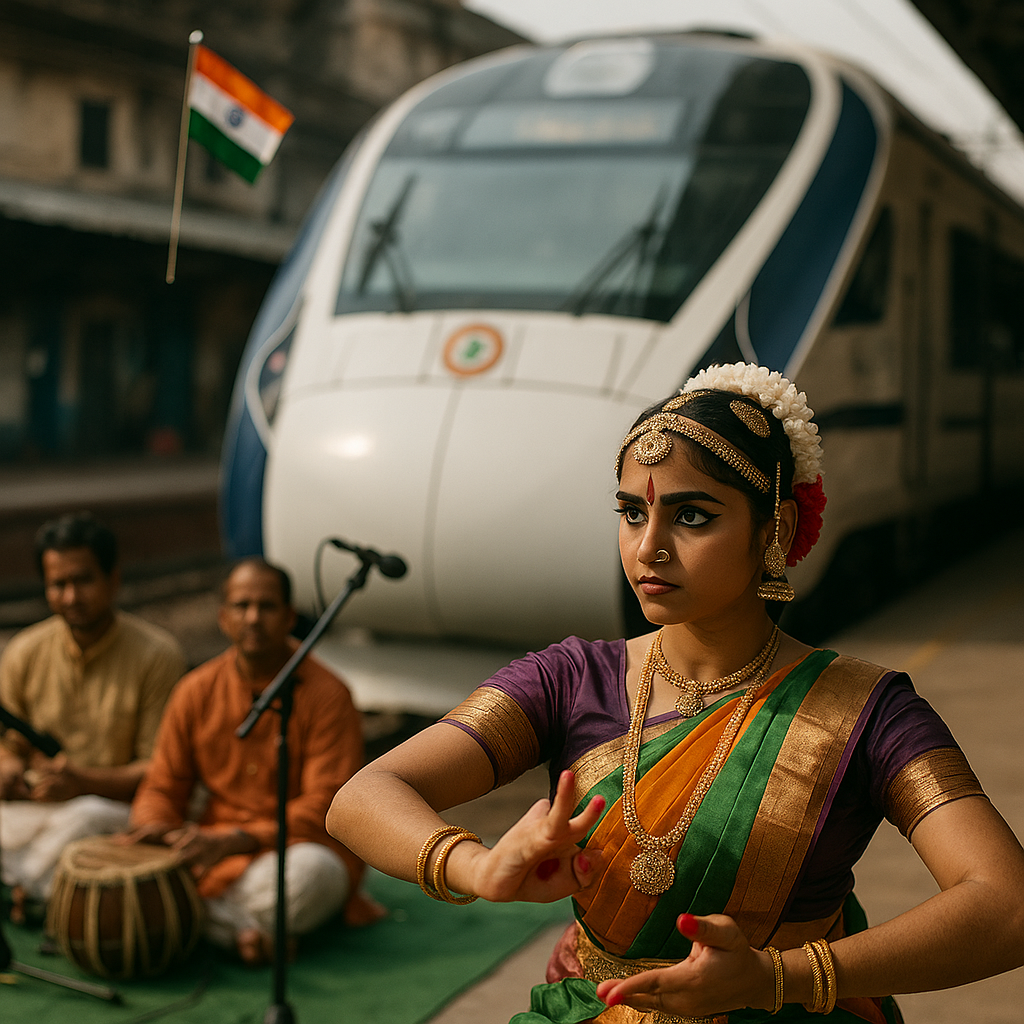
The Vande Bharatam initiative, launched by Gautam Adani, is making waves across India by focusing on grassroots innovation and entrepreneurship. While its primary goal is to discover and support innovators, the broader cultural implications of this movement are worth exploring. How does this initiative influence Indian arts and heritage, and what does it mean for cultural preservation and development?
The Vision Behind Vande Bharatam
Vande Bharatam is designed as a nationwide movement to identify and nurture India's grassroots innovators and entrepreneurs. Gautam Adani's vision is to boost non-metro startups, which often lack the resources and visibility available in metropolitan areas. By focusing on these regions, the initiative aims to democratize innovation and entrepreneurship, providing a platform for diverse voices and talents.
Adani's approach is particularly significant in the context of India's cultural landscape, where regional traditions and practices can be overshadowed by urban-centric development. By supporting innovators in non-metro areas, Vande Bharatam seeks to bring attention to local cultures and traditions, fostering a more inclusive environment for cultural expression.
Cultural Implications of Supporting Grassroots Innovators
Supporting grassroots innovators can have profound cultural implications. These individuals often bring unique perspectives and solutions rooted in local traditions and practices. By providing them with a platform, Vande Bharatam encourages the preservation and evolution of India's rich cultural heritage.
Preservation of Local Arts
Many grassroots innovators are involved in traditional arts and crafts, which are integral to India's cultural identity. The initiative's focus on non-metro areas can help sustain these practices, ensuring they are not lost to modernization and urbanization.
For example, artisans specializing in traditional textiles or handicrafts may find new opportunities to showcase their work, potentially leading to increased demand and appreciation for these cultural products.
Revitalizing Cultural Heritage
By spotlighting innovators who incorporate cultural elements into their work, Vande Bharatam can play a role in revitalizing India's cultural heritage. This could lead to increased interest in traditional arts, crafts, and practices, fostering a sense of pride and identity among communities.
Such revitalization efforts can also contribute to the economic empowerment of communities, as cultural tourism and heritage industries often provide significant economic benefits.
Impact on Education and Awareness
Vande Bharatam's emphasis on innovation and entrepreneurship can also influence educational approaches. Educators and students may find new ways to integrate cultural studies with practical applications, inspiring a new generation to appreciate and contribute to India's cultural landscape.
- Curriculum Development: Schools and universities may incorporate case studies from Vande Bharatam into their curricula, highlighting successful grassroots initiatives.
- Workshops and Seminars: The initiative could lead to workshops and seminars that focus on the intersection of culture and entrepreneurship.
- Collaborative Projects: Students and educators may engage in collaborative projects that explore cultural innovation.
Challenges and Considerations
While the initiative holds promise, there are challenges to consider. The criteria for selecting the 800 innovators remain unclear, and the operational details of the initiative are not fully outlined. Ensuring fair and transparent selection processes will be crucial to its success.
Moreover, the initiative must navigate the complexities of cultural sensitivity and representation, ensuring that the voices and traditions of diverse communities are respected and accurately portrayed.
What Readers Should Know
It's important to recognize that while Vande Bharatam aims to support grassroots innovation, the specific mechanisms and criteria for achieving this are not fully detailed. Readers should watch for updates on how the initiative will be implemented and how it will address potential challenges.
As the initiative progresses, stakeholders should remain informed about its developments and actively participate in discussions about its impact on cultural preservation and innovation.
Background: The State of Indian Arts and Heritage
India's cultural landscape is a tapestry of diverse traditions and practices, many of which are rooted in centuries-old customs. However, rapid modernization and urbanization have posed significant challenges to the preservation of these cultural elements. Initiatives like Vande Bharatam are crucial in providing the necessary support and recognition to keep these traditions alive.
Historically, efforts to preserve cultural heritage have often been limited by resource constraints and lack of visibility. Vande Bharatam's focus on grassroots innovation offers a new avenue for addressing these challenges.
Why It Matters: The Broader Impact
The cultural impact of Vande Bharatam extends beyond just preserving arts and crafts. It also plays a role in strengthening community ties and promoting social cohesion. By valuing and supporting local traditions, the initiative fosters a sense of belonging and pride among communities, which is essential for social harmony.
Furthermore, the initiative can serve as a model for other countries seeking to balance modernization with cultural preservation, highlighting the importance of grassroots efforts in achieving sustainable development.
Sources and Method
The analysis is based on information from reliable sources including Adani and Indiatimes. These sources provide strong evidence of the initiative's goals and potential impact.
Practical Takeaway
For educators and cultural enthusiasts, Vande Bharatam presents an opportunity to engage with India's rich heritage in innovative ways. By supporting grassroots innovators, we can contribute to preserving and revitalizing cultural traditions while fostering new expressions of Indian identity.
Additional source links:
Comments
Post a Comment