Unveiling the Milky Way: Euclid Telescope's Groundbreaking Image
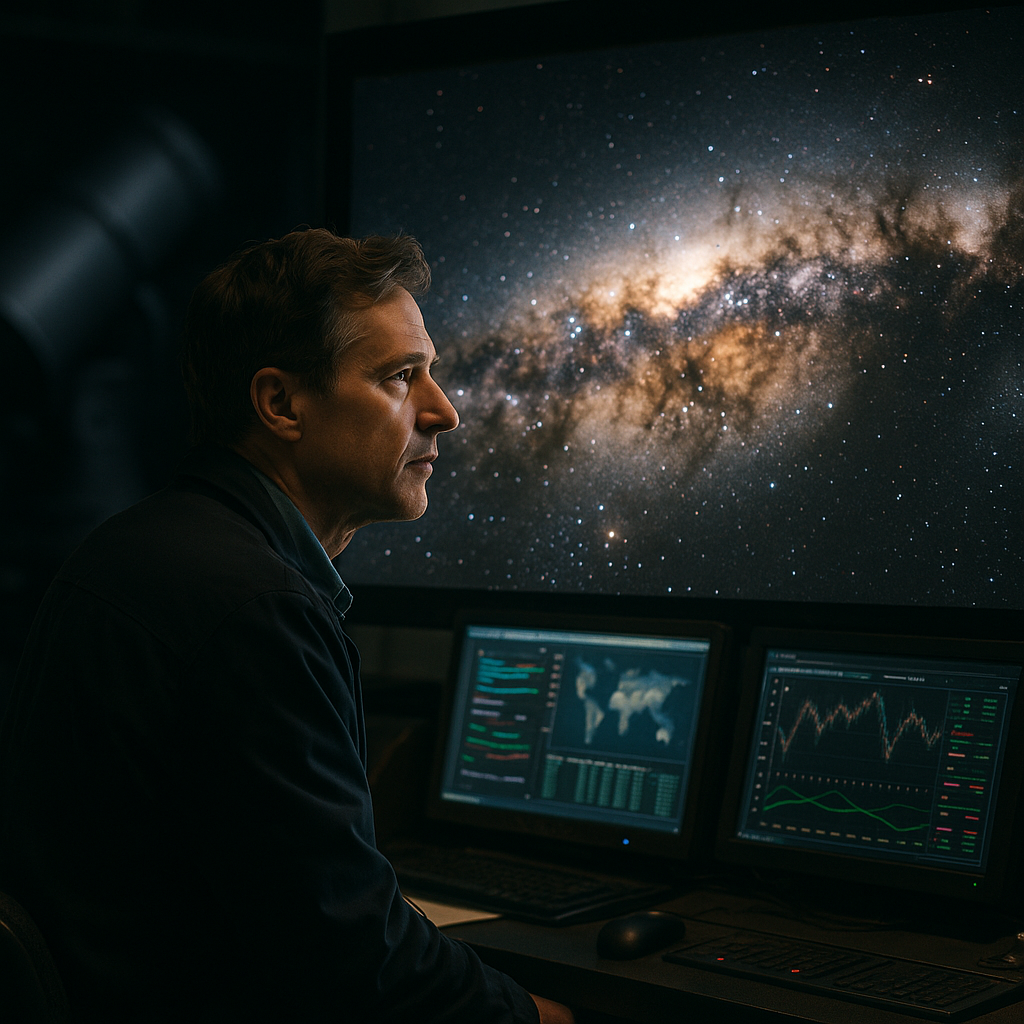
The Euclid space telescope has captured a stunning image of the Milky Way, featuring 60 million stars. This remarkable achievement is poised to transform our understanding of the galaxy and could herald a new era in astronomical research. Science enthusiasts, students, and educators alike are buzzing with excitement over the potential implications of this technological feat.
Background of the Euclid Telescope
Launched by the European Space Agency (ESA), the Euclid telescope is part of a mission aimed at exploring the dark universe. Its primary objectives include studying dark matter and dark energy, which are fundamental components of the universe's structure. Despite these primary goals, the telescope's ability to capture visible light has proven invaluable, as demonstrated by its latest image of the Milky Way's core.
Significance of the Milky Way Image
The image captured by Euclid is not merely a visual spectacle; it represents a significant leap in astronomical imaging technology. By capturing 60 million stars in a single frame, the telescope offers a comprehensive view of the Milky Way's heart. This level of detail provides researchers with a rich dataset to analyze, potentially leading to new discoveries about star formation, galactic structure, and more.
Technological Advancements Behind the Image
Although the specific methods employed by the Euclid telescope are not detailed in the sources, the achievement underscores the importance of technological innovation in astronomy. Advanced imaging techniques and powerful sensors are likely key contributors to capturing such detailed images. These advancements pave the way for future explorations and discoveries, enhancing our ability to study the cosmos.
Implications for Astronomical Research
The Euclid telescope's image is expected to be a catalyst for further research. Scientists can utilize the data to test existing theories about the Milky Way and develop new hypotheses. This could lead to breakthroughs in understanding the galaxy's composition, the behavior of its stars, and the role of dark matter. The image serves as a reminder of the dynamic nature of astronomical research, where new data can shift paradigms and inspire new lines of inquiry.
Challenges and Limitations
Despite the excitement surrounding the Euclid telescope's image, several aspects remain unclear. The direct implications for astronomy are not fully specified, and the technological methods used to achieve this feat are not detailed. Additionally, while the image provides a wealth of information, interpreting this data requires sophisticated models and theories that are still under development. As more information becomes available, researchers and enthusiasts will gain a clearer understanding of how this image will shape the future of astronomy.
What Readers Should Watch Next
For science enthusiasts, students, and educators, the Euclid telescope's image represents a unique opportunity to engage with cutting-edge astronomical research. It highlights the importance of technological innovation in exploring the universe and encourages curiosity about the cosmos. As the astronomical community continues to analyze the data, readers can look forward to new insights and discoveries that deepen our understanding of the Milky Way and beyond.
- Stay updated on further analyses and discoveries stemming from this image.
- Explore how advancements in imaging technology are impacting other areas of astronomy.
- Consider the broader implications of understanding dark matter and dark energy.
Sources and Method
For further reading and exploration, visit the following sources:
Additional source links:
Why this matters
For readers following Euclid Telescope's Milky Way Image: A New Era for Astronomy, the useful takeaway is not just the headline. The important part is understanding what the available report confirms, what it leaves open, and why later updates may change the picture.
This article keeps the wording cautious because the source material is the factual boundary. The added context is meant to help readers understand the development without turning early information into unsupported claims.
What is still unclear
The linked source does not answer every possible follow-up question. Timelines, official responses, wider impact, and next steps may need clearer reporting before readers can treat them as settled facts.
Where the evidence is limited, the safer reading is to treat the current details as a snapshot. That approach protects readers from overconfident summaries and keeps the post useful even as the story develops.
Comments
Post a Comment