Introduction to Vande Bharat Express
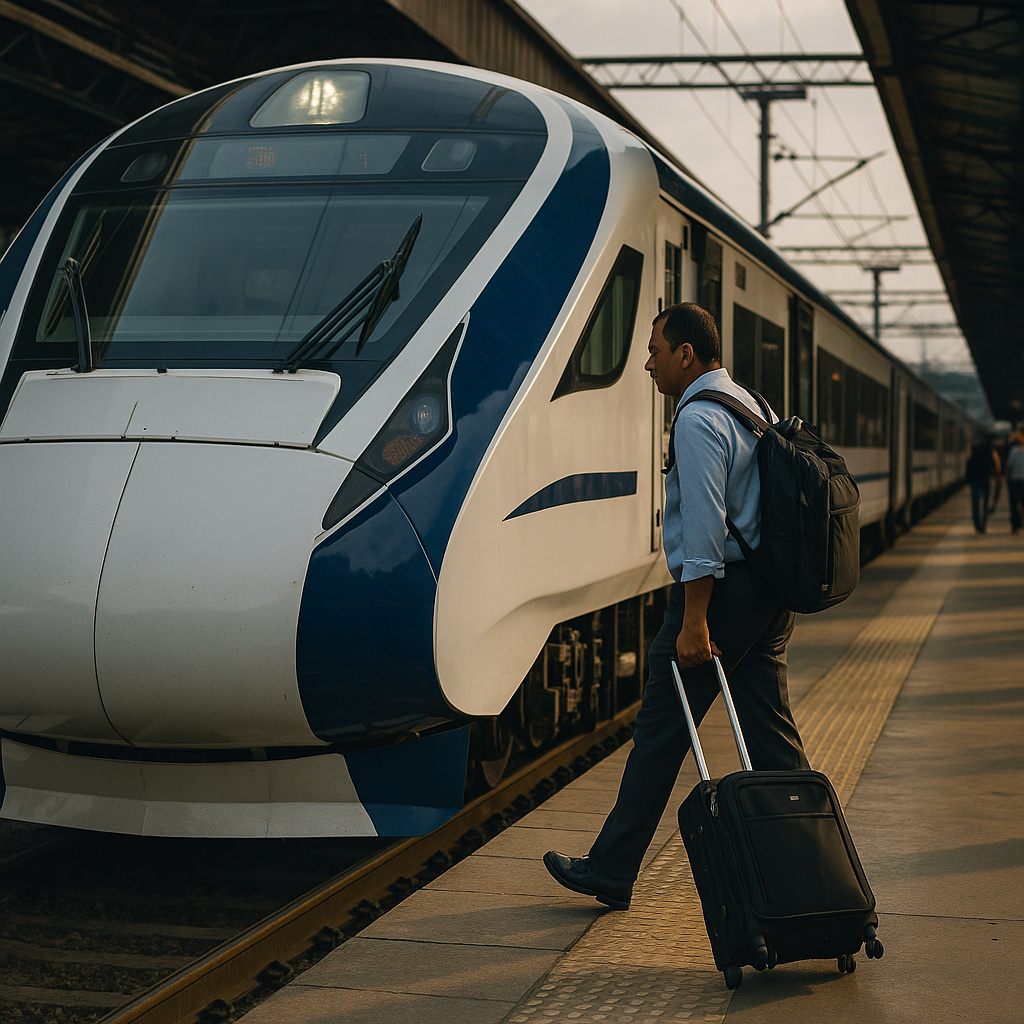
Launched in 2019, the Vande Bharat Express represents a significant milestone in India's rail transportation system. As of 2026, this semi-high-speed train has become a symbol of modernization in the Indian Railways, offering enhanced speed, comfort, and efficiency. The train is designed and manufactured entirely in India, highlighting the country's growing capabilities in rail technology.
Rapid Expansion and Growth
Since its inception, the Vande Bharat Express has expanded its network considerably. By 2026, the Indian Railways plans to operate 75 Vande Bharat trains across various routes, as stated by the Ministry of Railways. This expansion is part of a broader initiative to improve rail infrastructure and provide faster connectivity between key cities (Government of India, 2026).
Technical Specifications and Features
The Vande Bharat Express boasts several state-of-the-art features designed to enhance passenger experience and operational efficiency:
- Speed: Capable of reaching speeds up to 180 km/h, it reduces travel time significantly compared to conventional trains.
- Safety: Equipped with advanced safety systems, including the Train Collision Avoidance System (TCAS).
- Comfort: Features such as automatic doors, onboard Wi-Fi, and GPS-based passenger information systems.
- Energy efficiency: Regenerative braking systems that save energy.
These features make the Vande Bharat Express a preferred choice for travelers seeking a fast and comfortable journey.
Impact on Travel and Economy
As of 2026, the Vande Bharat Express has had a notable impact on both travel patterns and the economy. According to data from the Ministry of Railways, the train has facilitated a 25% increase in passenger traffic on its routes compared to previous years. This rise is attributed to reduced travel times and improved service quality, which have encouraged more people to opt for rail travel over other modes of transport (Government of India, 2026).
Economically, the expansion of the Vande Bharat network has created numerous job opportunities in manufacturing, maintenance, and operations. It has also stimulated local economies by improving connectivity and accessibility, thereby supporting regional development.
Challenges and Future Prospects
Despite its success, the Vande Bharat Express faces several challenges. Infrastructure limitations, such as track quality and station facilities, continue to pose hurdles in achieving optimal performance. Additionally, the high cost of manufacturing and maintenance remains a concern for the Indian Railways.
Looking ahead, the government has announced plans to further enhance the capabilities of the Vande Bharat trains by incorporating more advanced technologies and expanding routes. By 2026, the goal is to introduce additional features such as automated train operations and further improvements in energy efficiency (Reuters, 2026).
Conclusion
The Vande Bharat Express stands as a testament to India's commitment to modernizing its rail infrastructure. With ongoing developments and future plans, it is poised to play a crucial role in shaping the future of rail travel in India.
Sources: Reuters, Government releases, publicly available data.
Comments
Post a Comment