Petrol Price Today: What Is Driving Fuel Costs in 2026?
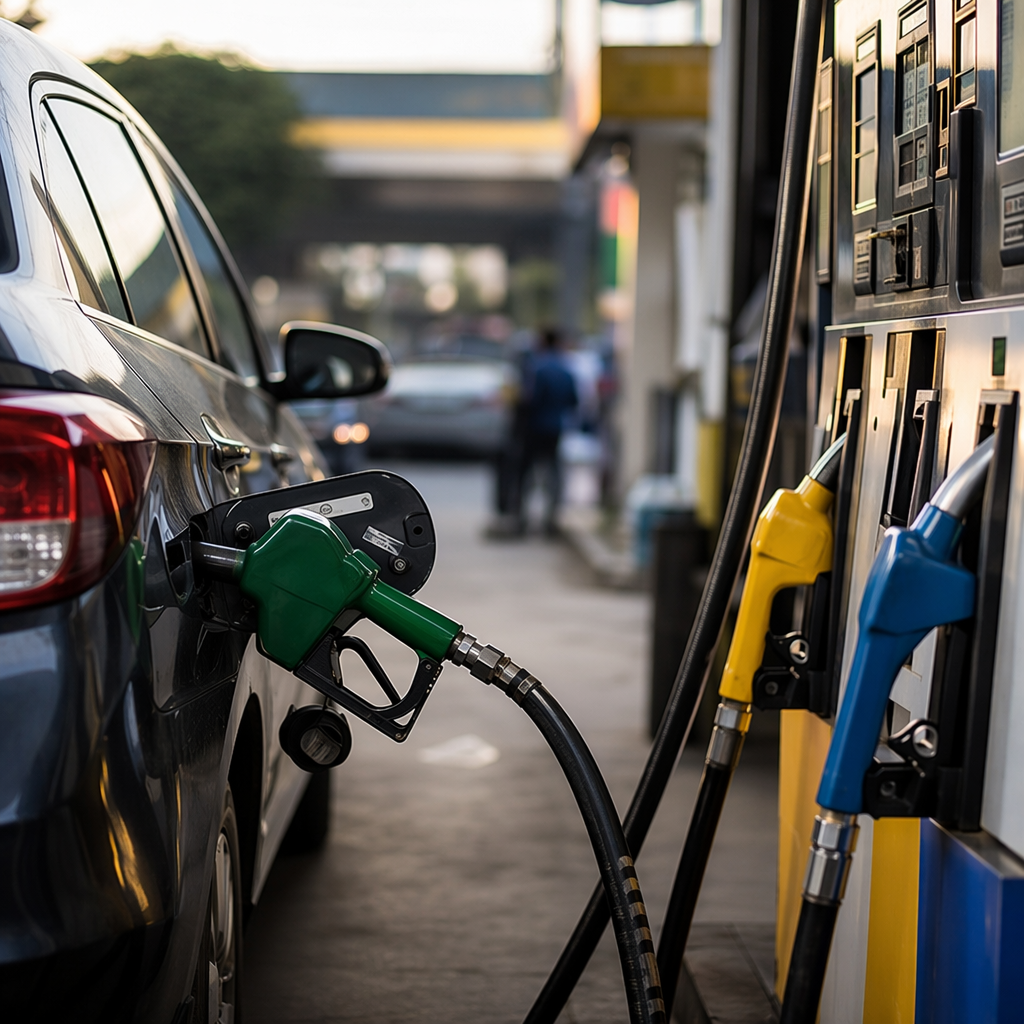
Petrol prices remain one of the most closely watched daily costs for households, transport operators and businesses. As of 2026, retail petrol rates in many countries continue to be influenced by international crude oil benchmarks, refining margins, taxes, currency movements and local distribution costs. Because pump prices differ by country, city and even fuel retailer, the most accurate “petrol price today” is the rate published by an official government fuel portal, oil marketing company, national statistics agency or regulated retail price board for a specific location.
The global context is important. According to the U.S. Energy Information Administration, Brent crude oil averaged about $82 per barrel in 2024, after averaging about $82 per barrel in 2023. Reuters reported through 2024 that oil markets were affected by OPEC+ supply policy, Red Sea shipping risks, demand trends in China and the pace of U.S. production. These factors feed into wholesale fuel prices, although retail petrol rates also depend heavily on taxes and domestic policy.
As of 2026, fuel consumers are seeing a market shaped by three recent years of volatility. In 2024, Reuters reported that OPEC+ members extended output cuts at several points during the year to support oil markets. In 2025, according to publicly available energy market data and government forecasts, fuel demand remained linked to transport activity, economic growth and refinery utilisation. In 2026, pump prices continue to reflect both international prices and national tax structures rather than crude oil alone.
Why “Petrol Price Today” Changes From Place to Place
Retail petrol prices are not uniform. In countries with deregulated fuel pricing, retailers may update rates daily or frequently based on wholesale prices and competition. In countries with regulated pricing, governments or state-owned fuel companies may announce fixed prices for a set period, such as weekly or monthly.
The difference between crude oil and retail petrol is significant. Crude oil is the raw material. Petrol is a refined product that must be processed, transported, stored and sold through retail outlets. The pump price normally includes crude cost, refinery processing cost, dealer margin, excise duty, value-added tax or sales tax, environmental levies and freight.
For example, government fuel tax data in several markets show that taxes can account for a large share of the retail price. In the United Kingdom, HM Revenue & Customs has listed fuel duty on petrol and diesel at 52.95 pence per litre after the temporary 5 pence cut introduced in 2022 was maintained in subsequent budgets. In India, central excise duties and state-level value-added tax are major components of retail petrol prices. In the United States, the federal gasoline tax has remained 18.4 cents per gallon, according to the U.S. Federal Highway Administration, while state taxes vary widely.
Latest Global Indicators Behind Petrol Prices
As of 2026, daily petrol rates are still heavily linked to global oil benchmarks. Brent crude, West Texas Intermediate and refined gasoline futures provide pricing signals for refiners, importers and wholesalers. Reuters market reports in 2024 and 2025 regularly cited the effect of OPEC+ production decisions, U.S. inventory data and geopolitical risks on oil prices.
Several recent figures help explain the current market background:
- 2024: The U.S. Energy Information Administration reported Brent crude averaged around $82 per barrel for the year, close to the 2023 annual average.
- 2024: Reuters reported that OPEC+ extended voluntary production cuts during the year, including supply reductions by Saudi Arabia, Russia and other producers.
- 2024: The International Energy Agency said global oil demand growth slowed compared with the post-pandemic rebound, with demand growth increasingly concentrated in non-OECD economies.
- 2025: Government energy forecasts, including EIA short-term outlooks, continued to track U.S. crude production near record levels, with output above 13 million barrels per day in recent reporting periods.
- 2025: U.S. federal gasoline tax remained 18.4 cents per gallon, while the UK fuel duty rate remained 52.95 pence per litre following the continuation of the duty cut.
- As of 2026: Retail petrol prices continue to vary daily or periodically by jurisdiction, depending on crude prices, exchange rates, taxes and local price-setting rules.
How Crude Oil Affects the Pump Price
Crude oil is typically the largest input cost in petrol production, but the relationship between crude and pump prices is not always immediate. Refiners buy crude, process it into petrol, diesel, jet fuel and other products, then sell refined products into wholesale markets. Retail petrol prices often move after wholesale price changes, but timing varies by market.
Reuters has reported that refinery outages, seasonal maintenance and fuel specification changes can affect petrol prices independently of crude oil. In the United States, gasoline prices often rise ahead of the summer driving season because refiners switch to summer-grade gasoline, which is more expensive to produce. In Europe, fuel taxes and currency movements can limit or amplify the effect of crude price changes.
Exchange rates are also important. Oil is generally priced in U.S. dollars. When a local currency weakens against the dollar, importing crude or refined fuel becomes more expensive. Countries that import most of their oil can therefore see petrol prices rise even if the dollar price of crude is stable.
Petrol Prices in India: Daily Revision and Tax Structure
India is one of the world’s largest oil consumers and imports most of its crude oil. Petrol prices in major Indian cities are generally revised by oil marketing companies based on international product prices, exchange rates, freight and taxes, although public sector companies may keep prices unchanged for extended periods.
Government and oil company price publications show that Indian petrol prices differ by state because value-added tax and local levies vary. Delhi, Mumbai, Kolkata, Chennai, Bengaluru and Hyderabad usually report different pump prices on the same day. Consumers are advised to check the official websites or mobile updates from Indian Oil Corporation, Bharat Petroleum or Hindustan Petroleum for the exact rate.
In 2024, India’s government announced a reduction in petrol and diesel prices by public sector oil marketing companies ahead of the general election period. Reuters reported in March 2024 that Indian state-run fuel retailers cut petrol and diesel prices by 2 rupees per litre. That cut was reflected in pump prices across several states, though final retail rates continued to depend on state taxes and dealer commissions.
As of 2026, India’s retail petrol price remains linked to international oil prices, the rupee-dollar exchange rate, central excise duty, state VAT and dealer margins. The Petroleum Planning & Analysis Cell under India’s Ministry of Petroleum and Natural Gas publishes fuel consumption and pricing-related data, while oil marketing companies provide city-wise pump prices.
Petrol Prices in the United States: Taxes and State Differences
In the United States, drivers usually refer to gasoline rather than petrol. The U.S. Energy Information Administration publishes weekly retail gasoline price data by national average, region and grade. Prices are quoted per gallon rather than per litre.
The U.S. market is highly regional. California normally has some of the highest gasoline prices because of state taxes, environmental fuel standards and supply constraints. Gulf Coast states often report lower prices because of proximity to refineries and pipelines. According to the U.S. Federal Highway Administration, the federal gasoline tax is 18.4 cents per gallon, but total taxes are higher after state and local levies are added.
In 2024, EIA data showed regular gasoline prices fluctuating with crude prices, refinery operations and seasonal demand. Reuters also reported that U.S. crude output reached record or near-record levels in 2024, helping influence global supply conditions. However, domestic production does not fully insulate U.S. consumers from global oil price movements because crude and refined fuels trade in international markets.
Petrol Prices in the United Kingdom and Europe
In the United Kingdom, pump prices are commonly quoted in pence per litre. The Department for Energy Security and Net Zero publishes weekly road fuel prices, while HM Treasury and HM Revenue & Customs provide fuel duty information. The UK fuel duty rate for petrol and diesel has been 52.95 pence per litre after the 5 pence reduction first introduced in March 2022 was maintained in later fiscal statements.
UK pump prices also include value-added tax, which is applied to the combined cost of fuel and duty. This means that when wholesale prices rise, VAT collected per litre also rises. Supermarket retailers and independent filling stations may set different prices depending on local competition and supply contracts.
Across the European Union, petrol prices vary because tax rates, VAT and energy policy differ by member state. The European Commission publishes weekly Oil Bulletin data that compares fuel prices across EU countries. As of 2026, that data remains one of the main public sources for cross-country retail petrol comparisons in Europe.
What Drivers Should Check Before Filling Up
Because petrol prices are location-specific, the phrase “petrol price today” should be checked against an official or directly published source. A national average can be useful for comparison, but it may not match the price at a nearby station.
Drivers can verify current prices through government fuel dashboards, oil company websites, national automobile associations and regulated price notices. In markets with daily revisions, prices can change early in the morning. In markets with weekly or monthly pricing, changes may be announced on a fixed schedule.
The main items to check are the location, grade of petrol, date and unit of measurement. Petrol may be sold as regular, premium or high-octane fuel, and each grade has a different price. Countries also use different units: litres in India, the UK and most of Europe; gallons in the United States.
Key Factors That Can Move Petrol Prices in 2026
As of 2026, analysts and government agencies continue to track several measurable factors that affect retail fuel costs. These include crude oil prices, refinery margins, product inventories, transport costs, taxes and exchange rates. Reuters market coverage and government energy reports show that supply disruptions, refinery outages and changes in demand can quickly affect wholesale prices.
OPEC+ production policy remains a major factor because the group includes several of the world’s largest oil exporters. U.S. production levels also matter, as the United States has been the world’s largest crude oil producer in recent years, according to EIA data. At the same time, demand growth in Asia, shipping costs and sanctions affecting oil trade can influence global supply balances.
For households, the practical impact is seen in commuting costs, delivery charges and inflation-linked expenses. National statistics agencies often include petrol or gasoline in consumer price index calculations. When fuel prices rise sharply, transport and logistics costs can increase, although the effect on final consumer prices varies by sector and country.
How to Read Today’s Petrol Price Correctly
A petrol price quote is only meaningful when it includes a date, location and unit. For example, a city-level rate published by an oil marketing company is more precise than a national estimate. A government average is useful for economic analysis but may not reflect a specific station’s price.
Consumers should also distinguish between the retail price and the base fuel price before tax. Two countries can pay similar wholesale prices for petrol but have very different pump prices because of taxation. Similarly, two states within the same country can have different rates because of local VAT, sales tax or environmental fees.
As of 2026, the most reliable way to confirm petrol price today is to check the official fuel price source for the relevant city, state or country on the same date. Reuters, government energy departments, national oil companies and statistical agencies provide the market data needed to understand why prices move, while local retailers provide the final pump price paid by consumers.
Sources: Reuters, Government releases, publicly available data.
Comments
Post a Comment