Petrol and Diesel Price Increase: What 2024–2026 Data Shows About Fuel Costs
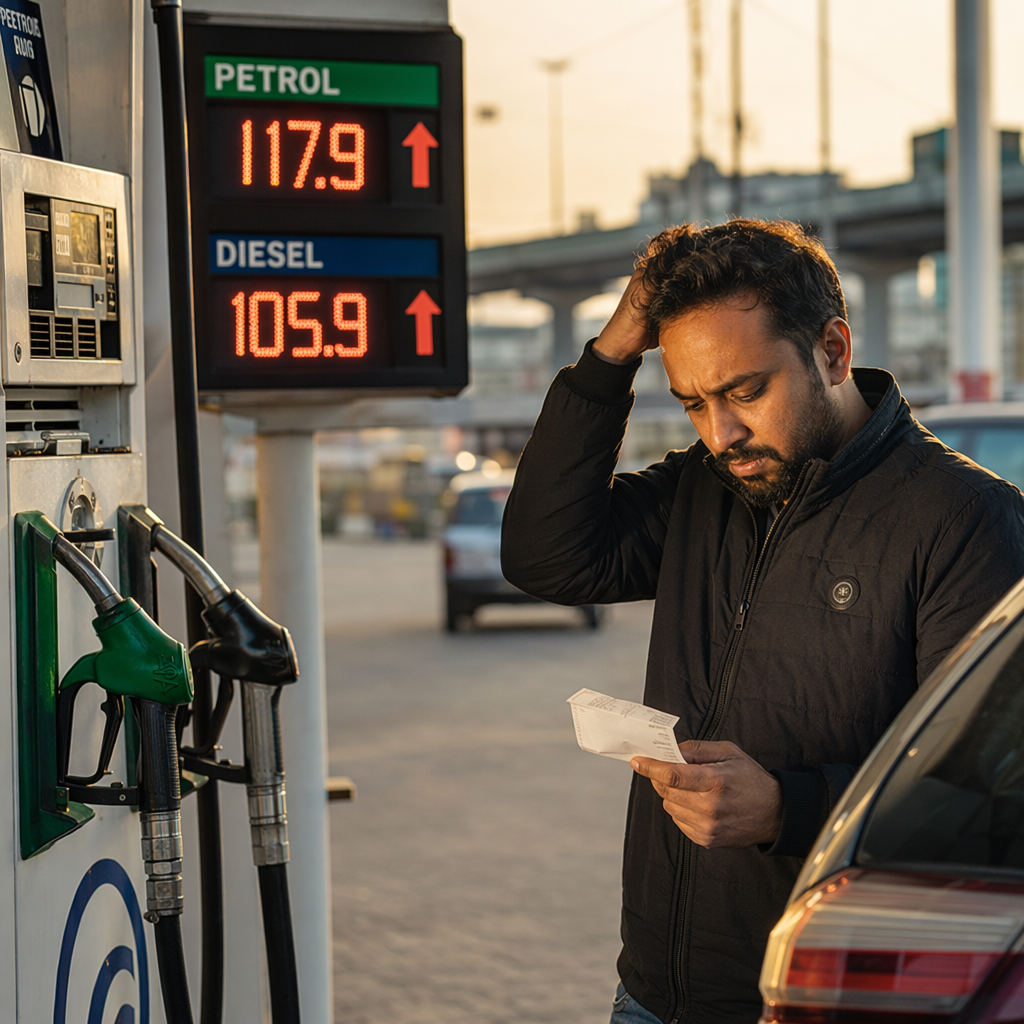
As of 2026, petrol and diesel prices remain a central cost concern for households, transport operators, farmers and businesses, even after the sharp oil-market disruptions seen earlier in the decade eased. Fuel prices are shaped by international crude oil rates, exchange rates, refining costs, freight, taxes and government pricing policies. In many countries, consumers do not pay only for crude oil; they pay for a final retail fuel price that includes duties, value-added taxes, dealer margins and distribution costs.
The price movement since 2024 shows that fuel markets have not followed a single global pattern. Some countries saw retail prices held steady by tax policy or state-controlled pricing, while others experienced frequent changes linked to global oil prices and currency movements. The result has been a mixed but measurable rise in fuel-related costs across several economies, particularly where diesel is widely used in freight, agriculture and public transport.
Global oil prices remained a key driver in 2024 and 2025
International crude oil prices are one of the main inputs behind petrol and diesel pricing. According to the U.S. Energy Information Administration, Brent crude oil averaged about $82 per barrel in 2024. The EIA’s Short-Term Energy Outlook for 2025 projected Brent crude prices near the high-$70s per barrel range for 2025, reflecting supply growth, demand conditions and production decisions by major oil producers.
Reuters reported through 2024 and 2025 that oil prices were affected by production policies from OPEC+, geopolitical risks affecting shipping and supply routes, and demand trends in large economies including China, India, the United States and the European Union. These factors directly influence the base price of refined fuels, although the effect at petrol stations depends on domestic taxes and exchange rates.
For countries that import most of their crude oil, a weaker currency can raise local fuel costs even when dollar-denominated crude prices are stable. India, for example, imports most of its crude oil requirements. Government and oil company pricing data show that retail petrol and diesel prices in Indian cities also include central excise duty, state value-added tax, freight and dealer commission.
India: fuel prices were cut in March 2024 but remained high in major cities
India provides a clear example of how government policy can influence final petrol and diesel prices. On 14 March 2024, India’s Ministry of Petroleum and Natural Gas announced a reduction of ₹2 per litre in petrol and diesel prices by public sector oil marketing companies. The ministry said the cut would benefit consumers and reduce operating costs for transport and logistics users.
After the reduction, retail prices in major Indian cities continued to show regional variation because state taxes differ. Public sector oil marketing companies’ price listings in 2024 showed petrol prices around ₹94.72 per litre in Delhi, ₹104.21 per litre in Mumbai, ₹103.94 per litre in Kolkata and ₹100.75 per litre in Chennai. Diesel prices were about ₹87.62 per litre in Delhi, ₹92.15 per litre in Mumbai, ₹90.76 per litre in Kolkata and ₹92.34 per litre in Chennai.
As of 2026, India’s retail fuel pricing structure continues to include central taxes, state-level VAT, dealer commission and transportation charges. This means consumers in different states can pay different amounts for the same fuel, even when international crude oil costs are similar. Government price notifications and oil marketing company daily price data remain the primary reference for local pump rates.
Diesel prices matter because they affect freight and food supply chains
Diesel is not only a consumer fuel. It is a major input for trucks, buses, tractors, generators, rail freight in some markets and construction equipment. A diesel price increase can raise the cost of moving goods from ports to warehouses and from farms to retail markets.
In India, diesel’s role in freight and agriculture is particularly important. Road transport carries a large share of domestic goods movement, and agricultural operations use diesel for tractors, irrigation pumps and harvesters. When diesel prices rise, transport companies and farm operators often face higher operating costs. Whether those costs are passed on to consumers depends on competition, contracts and government support measures.
Reuters has reported that fuel costs are one of the important variables affecting inflation in emerging markets, especially where transport expenses contribute significantly to food distribution costs. Central banks generally track fuel prices as part of inflation monitoring because direct fuel costs and indirect transport costs can affect household budgets.
United States: retail petrol prices moved with crude oil and refining conditions
In the United States, fuel prices are market-based and vary by state due to taxes, refinery access, environmental fuel standards and distribution distances. According to the U.S. Energy Information Administration, the average U.S. regular gasoline retail price in 2024 was around the mid-$3 per gallon range, while diesel averaged higher than petrol because of refining demand and its use in freight, industry and agriculture.
The EIA reported that diesel prices are often more sensitive to freight activity and distillate inventories. In 2024 and 2025, U.S. gasoline and diesel prices were affected by crude oil prices, seasonal fuel blends, refinery maintenance and stock levels. Reuters coverage during the period also noted that refinery outages and changes in inventories could cause regional price increases even without a major change in global crude oil prices.
As of 2026, U.S. fuel prices remain linked to wholesale markets and weekly inventory data. The EIA’s weekly petroleum status reports provide official data on crude stocks, gasoline inventories, distillate supplies and refinery utilization, which traders and fuel retailers use to track price pressures.
Europe: taxes and supply changes kept prices structurally high
European consumers generally pay higher retail fuel prices than U.S. consumers because fuel taxes and value-added taxes are higher. In 2024 and 2025, many European countries continued to face fuel costs influenced by global crude oil prices, refining margins and energy-market adjustments following the reduction of Russian oil and petroleum product imports.
Reuters reported in 2024 that European diesel markets remained sensitive to changes in refinery output and import flows because diesel is widely used in road freight and industry. The European Commission’s weekly Oil Bulletin provides country-level petrol and diesel price data across the European Union, showing that taxation forms a large share of pump prices in many member states.
For consumers, this means a rise in crude oil does not translate one-for-one into pump prices. In a high-tax fuel system, a fixed excise duty can cushion some percentage changes, but VAT applied to the final price can rise when the underlying product price increases. This structure is one reason European retail prices often remain elevated compared with markets where fuel taxes are lower.
Key factors behind petrol and diesel price increases
Fuel price increases between 2024 and 2026 can be traced to several measurable factors rather than a single cause. The relative importance of each factor differs by country.
- Crude oil prices: Brent crude averaged about $82 per barrel in 2024, according to the U.S. Energy Information Administration.
- Currency exchange rates: Importing countries pay for crude oil in dollars, so a weaker local currency can increase domestic fuel costs.
- Taxes and duties: In countries such as India and EU member states, taxes form a significant share of the final petrol and diesel price.
- Refining margins: Petrol and diesel prices can rise if refinery capacity tightens or maintenance reduces output.
- Freight and insurance costs: Supply-route disruptions can raise shipping and logistics costs for crude and refined products.
- Government policy: Price freezes, subsidies, excise cuts or VAT changes can delay, reduce or amplify retail price movements.
Why petrol and diesel do not always increase at the same rate
Petrol and diesel are both refined from crude oil, but their prices do not always move in the same direction or at the same speed. Diesel is part of the distillate fuel category, which also includes heating oil in some markets. Demand for diesel is closely linked to freight, manufacturing, agriculture and mining. Petrol demand is more closely tied to private vehicle use and seasonal travel.
In colder regions, winter demand for heating oil can affect distillate markets and indirectly influence diesel prices. In economies with strong freight activity, diesel can remain expensive even when petrol prices moderate. Refinery configuration also matters: not all refineries produce the same mix of petrol, diesel and other products. If diesel supply is tight, its price can rise faster than petrol.
Government tax treatment can also differ. Some countries tax diesel at lower rates to support agriculture or freight, while others have reduced that gap because of air-pollution concerns. The final retail price therefore reflects both market fundamentals and policy choices.
Inflation impact: fuel prices feed into broader costs
Fuel prices affect inflation in two main ways. The first is direct: petrol and diesel are part of household transport spending. The second is indirect: diesel affects freight, agriculture, construction and public transport costs. When fuel becomes more expensive, companies may face higher operating expenses.
Government statistical agencies and central banks monitor fuel prices closely in inflation reports. India’s Ministry of Statistics and Programme Implementation, the U.S. Bureau of Labor Statistics and Eurostat all include energy-related components in consumer price indices. Reuters regularly reports that energy prices can influence headline inflation, even when food and core inflation trends move differently.
In 2024, several central banks monitored energy prices while deciding interest-rate policy. Fuel price increases can complicate inflation management because they affect consumers quickly and are visible in daily spending. However, the scale of the inflation effect depends on how long prices remain high and whether businesses pass on costs.
Government responses in 2024–2026
Governments use different tools to respond to fuel price increases. Some reduce excise duty or VAT. Others provide targeted subsidies for public transport, farmers or low-income households. Some countries allow market prices to adjust fully, while state-controlled markets may keep pump prices stable and absorb costs through public-sector companies or budgets.
India’s ₹2 per litre petrol and diesel price cut announced in March 2024 is one example of direct price relief through state-linked oil marketing companies. In Europe, several governments used temporary fuel-tax measures during the earlier energy crisis, although many emergency measures were later reduced or withdrawn. In the United States, fuel taxes are mostly state and federal levies, and price relief depends heavily on market supply, refinery output and crude oil prices.
Public finance is an important constraint. Cutting fuel taxes can reduce government revenue, while subsidies can increase budget costs. For this reason, many governments publish fuel-tax and subsidy measures through finance ministries, petroleum ministries or official gazettes.
Outlook as of 2026
As of 2026, petrol and diesel prices remain exposed to international oil markets, domestic tax policy, currency movements and refining capacity. Official data from the EIA, government petroleum ministries, the European Commission and national statistical agencies show that retail fuel prices are not determined by crude oil alone.
The available 2024–2026 data shows four clear patterns: crude oil remained a major global benchmark; diesel continued to influence freight and agriculture costs; taxes shaped final retail prices; and government policy affected how quickly consumers felt changes at the pump. For consumers and businesses, the most reliable way to track fuel price increases is to follow official daily or weekly price releases, central bank inflation reports and market data from established agencies.
Sources: Reuters, Government releases, publicly available data.
Comments
Post a Comment