Israel-Iran War News: What the Latest Public Data Shows
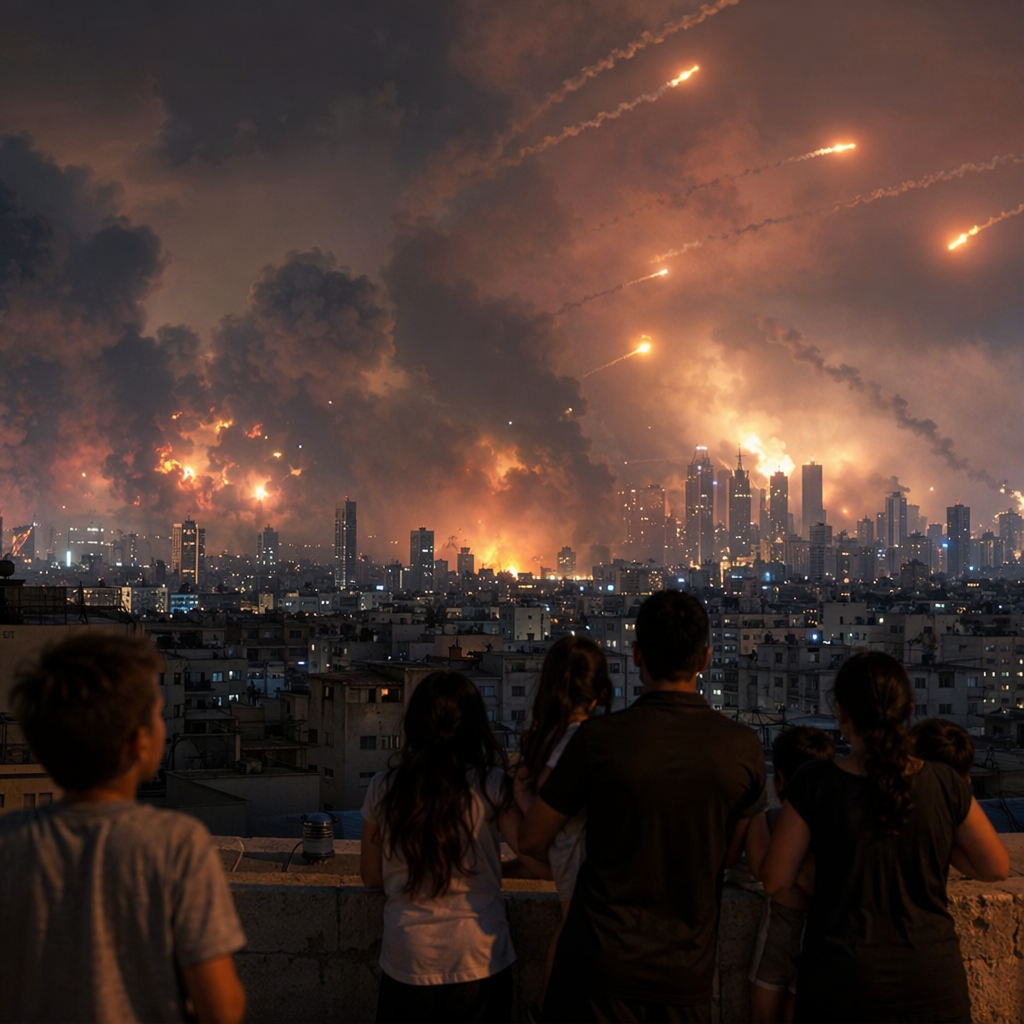
As of 2026, the Israel-Iran confrontation remains one of the most consequential security crises in the Middle East, shaped by Iran’s missile and drone capabilities, Israel’s air-defense systems, the war in Gaza, attacks by Iran-aligned armed groups, and repeated diplomatic warnings from the United States, European governments and the United Nations.
The most direct state-to-state escalation occurred in 2024, when Iran launched a large aerial attack on Israel. According to Israeli military statements reported by Reuters in April 2024, Iran fired more than 300 drones and missiles toward Israel. Israeli officials said the overwhelming majority were intercepted with help from the United States, the United Kingdom, France and Jordan. The attack followed an April 1, 2024 strike on Iran’s diplomatic compound in Damascus, Syria, which Iranian state media and officials attributed to Israel. Israel did not publicly claim responsibility for that strike.
That exchange marked a major shift. For years, Israel and Iran had largely confronted each other indirectly through cyber operations, intelligence actions, airstrikes in Syria, maritime incidents and proxy warfare. The April 2024 attack brought open, large-scale fire from Iranian territory toward Israel, turning a long-running shadow conflict into a direct military confrontation.
Direct Israel-Iran Escalation in 2024
Iran’s April 13–14, 2024 attack was framed by Tehran as retaliation for the Damascus strike that killed senior Islamic Revolutionary Guard Corps personnel. Iranian officials said the response targeted Israeli military sites. Israel said the attack endangered civilian areas and activated layered air defenses, including Arrow, David’s Sling and Iron Dome, alongside allied interception efforts.
Reuters reported in April 2024 that the United States said it helped Israel intercept many of the incoming projectiles. U.S. officials said American forces operating in the region shot down drones and missiles launched from Iran, Iraq, Syria and Yemen. The Israeli military said only a small number of missiles reached Israeli territory and that damage was limited.
One of the clearest statistics from the event came from the Israel Defense Forces: more than 300 projectiles were launched by Iran, including ballistic missiles, cruise missiles and drones. Israeli officials also said around 99% were intercepted, a figure reported by Reuters and other international outlets in April 2024. The claim reflected Israel’s assessment of its air-defense performance, not an independently measured battlefield count.
In the days after the attack, world governments urged restraint. The G7 condemned Iran’s action. The United Nations Security Council held discussions on the escalation. U.S. officials said Washington did not seek a wider war with Iran while reaffirming support for Israel’s security.
Israel’s Reported Response and the Risk of Wider War
On April 19, 2024, explosions were reported near Isfahan in central Iran, an area associated with military and nuclear-related infrastructure. Reuters cited sources saying Israel had carried out a limited strike. Iran downplayed the incident, saying air defenses had engaged small drones and that no major damage occurred. Israel did not issue a formal public claim of responsibility.
The restrained nature of the reported response was significant. Regional governments had warned that a major strike could trigger broader war involving Lebanon, Syria, Iraq, Yemen and U.S. military assets in the Gulf. Instead, both sides signaled publicly that they did not want immediate full-scale escalation, even as their underlying conflict continued.
As of 2026, no publicly confirmed peace agreement or formal de-escalation framework exists between Israel and Iran. The two states do not maintain diplomatic relations, and Iran continues to reject Israel’s legitimacy while Israel continues to describe Iran’s nuclear and missile programs as major strategic threats.
The Gaza War and Iran-Backed Groups
The Israel-Iran confrontation cannot be separated from the war that began after Hamas-led attacks on southern Israel on October 7, 2023. According to Israeli government figures cited by Reuters, about 1,200 people were killed in Israel in the October 7 attack, and more than 250 people were taken hostage. Israel responded with a large military campaign in Gaza aimed at Hamas.
Gaza health authorities, whose figures are cited by Reuters and United Nations agencies, reported that the Palestinian death toll had exceeded 30,000 in 2024. The figures continued to rise through 2024 and 2025 as fighting, bombardment, displacement and shortages of food, water and medical supplies persisted. Israel says it targets Hamas fighters and infrastructure and accuses Hamas of operating in civilian areas. Hamas denies using civilians as shields.
Iran supports Hamas, though the exact operational role Iran had in the October 7 attack has not been publicly proven by governments through released evidence. U.S. officials have said Iran has long provided funding, training and weapons to Hamas and Palestinian Islamic Jihad. Iran has praised the attack but has denied directing it.
The Gaza war widened pressure on Israel from multiple fronts. Hezbollah in Lebanon, the Houthis in Yemen and Iran-backed militias in Iraq and Syria intensified operations. Israel responded with airstrikes, artillery fire and targeted operations. The United States also carried out strikes against Iran-aligned militia targets in Iraq, Syria and Yemen after attacks on U.S. personnel and Red Sea shipping.
Key Public Statistics From 2024–2026
- 2024: Iran launched more than 300 drones and missiles at Israel in April, according to Israeli military statements reported by Reuters.
- 2024: Israel said approximately 99% of Iranian projectiles were intercepted during the April attack, with assistance from allied forces.
- 2024: Israeli government figures cited by Reuters said about 1,200 people were killed in Israel during the October 7, 2023 Hamas-led attack that triggered the Gaza war.
- 2024: Gaza health authorities reported the Palestinian death toll in Gaza had passed 30,000, figures cited by Reuters and UN agencies.
- 2024: More than 250 hostages were taken from Israel on October 7, according to Israeli official figures cited by Reuters.
- 2025: The International Atomic Energy Agency continued reporting that Iran had increased stocks of enriched uranium, including uranium enriched to 60% purity, below weapons-grade but above levels needed for most civilian nuclear power use.
Iran’s Nuclear Program Remains Central
Israel has long identified Iran’s nuclear program as a core national security concern. Iran says its nuclear activities are for peaceful purposes. Western governments and the International Atomic Energy Agency have pressed Iran for transparency over uranium enrichment and monitoring access.
The 2015 Joint Comprehensive Plan of Action, known as the Iran nuclear deal, limited Iran’s nuclear activities in exchange for sanctions relief. The United States withdrew from the agreement in 2018 under President Donald Trump. Iran later breached multiple limits set by the accord, including enrichment levels and stockpile restrictions. Efforts to revive the deal stalled.
IAEA reports in 2024 and 2025 said Iran was enriching uranium up to 60% purity. Weapons-grade uranium is generally considered about 90% purity. The IAEA has also reported difficulties in monitoring aspects of Iran’s program after Tehran restricted access for inspectors and removed monitoring equipment in earlier years.
Israel has not joined the Nuclear Non-Proliferation Treaty and maintains a policy of ambiguity regarding its own nuclear capabilities. The Stockholm International Peace Research Institute and other research organizations have long assessed that Israel possesses nuclear weapons, but Israel neither confirms nor denies this.
Hezbollah and the Northern Front
Lebanon’s Hezbollah, Iran’s most powerful non-state ally, has been central to the regional crisis. After the Gaza war began in October 2023, Hezbollah and Israel exchanged fire almost daily along the Israel-Lebanon border. Reuters reported that tens of thousands of civilians were displaced on both sides of the border during 2024.
Israel evacuated communities near the northern border because of rocket, missile and drone attacks. Lebanon also saw significant displacement from Israeli strikes and shelling in southern villages. The United Nations Interim Force in Lebanon repeatedly warned that escalation could lead to a broader conflict.
Hezbollah says its attacks are linked to the Gaza war and support for Palestinians. Israel says it cannot allow Hezbollah forces and weapons to threaten northern communities. The conflict has included anti-tank missiles, rockets, drones, artillery and airstrikes.
As of 2026, the Israel-Lebanon border remains one of the most sensitive flashpoints in the Israel-Iran confrontation because Hezbollah’s arsenal is widely assessed by Israeli and Western officials to include tens of thousands of rockets and missiles. Iran provides Hezbollah with funding, weapons and training, according to U.S. government assessments.
Houthis, Red Sea Shipping and U.S. Involvement
The Yemen-based Houthi movement, aligned with Iran, opened another front by attacking commercial shipping and launching missiles and drones toward Israel. The Houthis said their actions were in support of Palestinians in Gaza. Shipping companies diverted vessels away from the Red Sea and Suez Canal route, increasing transit times and costs for global trade.
In 2024, the United States and United Kingdom launched strikes on Houthi targets in Yemen after repeated attacks on vessels. The U.S. Central Command reported intercepting Houthi drones and missiles and striking launch sites, radar systems and storage facilities. The European Union also launched a naval mission to help protect shipping.
For Israel, the Red Sea threat affected the southern port city of Eilat and regional trade routes. For Iran, Houthi activity demonstrated the reach of its network of allied groups. Tehran denies directing every action by allied groups but publicly supports what it calls resistance movements against Israel.
Diplomatic Response and Sanctions
After Iran’s April 2024 attack on Israel, the United States, European Union and United Kingdom announced or prepared additional sanctions on Iranian drone and missile programs. Reuters reported that Western governments targeted entities linked to unmanned aerial vehicles, missile production and military procurement.
The United States has also maintained sanctions on Iran’s energy exports, banking sector, Islamic Revolutionary Guard Corps and weapons procurement networks. Iran says sanctions are unlawful and harm its economy. Western governments say sanctions are intended to limit Iran’s military capabilities and pressure Tehran over nuclear and regional activities.
The United Nations has repeatedly called for restraint by all sides. UN officials have also emphasized civilian protection, humanitarian access in Gaza, and the risk that conflict involving Israel and Iran could destabilize the wider region.
Humanitarian and Economic Effects
The direct Israel-Iran exchange in April 2024 caused limited physical damage compared with the Gaza and Lebanon fronts, but it had immediate economic and security effects. Airlines temporarily changed routes. Governments issued travel warnings. Oil markets reacted to the risk of disruption in the Gulf, though prices fluctuated based on later signals that escalation might be contained.
The broader conflict’s humanitarian toll has been heaviest in Gaza, where the United Nations and aid groups reported mass displacement, damaged hospitals, food insecurity and reduced access to clean water. Israel says humanitarian aid is permitted into Gaza and accuses Hamas of diverting supplies. UN agencies have repeatedly said aid access has been insufficient for the scale of need.
In northern Israel and southern Lebanon, displacement has disrupted schools, agriculture, tourism and local businesses. In the Red Sea, attacks on shipping affected global logistics and insurance costs. These impacts show how the Israel-Iran confrontation extends beyond direct military exchanges.
What to Watch as of 2026
As of 2026, the main drivers of Israel-Iran war news remain unchanged: Iran’s nuclear advances, Israel’s military doctrine of pre-emption, proxy warfare across the region, and the unresolved Gaza conflict. Any major attack on nuclear facilities, a mass-casualty strike by Hezbollah, or a renewed direct Iranian missile barrage could rapidly widen the conflict.
At the same time, the April 2024 exchange showed that both governments faced strong international pressure to avoid uncontrolled escalation. The United States remains a central actor because of its military presence in the region and its security commitments to Israel. Gulf states, Jordan, Egypt and European governments also have direct interests in preventing a wider war that could affect energy flows, trade routes and civilian populations.
The conflict is therefore not a single battlefield. It is a network of connected fronts: Israel and Iran directly, Gaza, Lebanon, Syria, Iraq, Yemen, the Red Sea and the nuclear diplomacy track. Publicly available data from Reuters, government releases, the IAEA, UN agencies and military statements shows a confrontation that has already crossed historic thresholds, while still stopping short of a declared full-scale war between the two states.
Sources: Reuters, Government releases, publicly available data.
Comments
Post a Comment