Extreme Heat Warnings: What They Mean as Record Temperatures Reshape Public Safety Planning
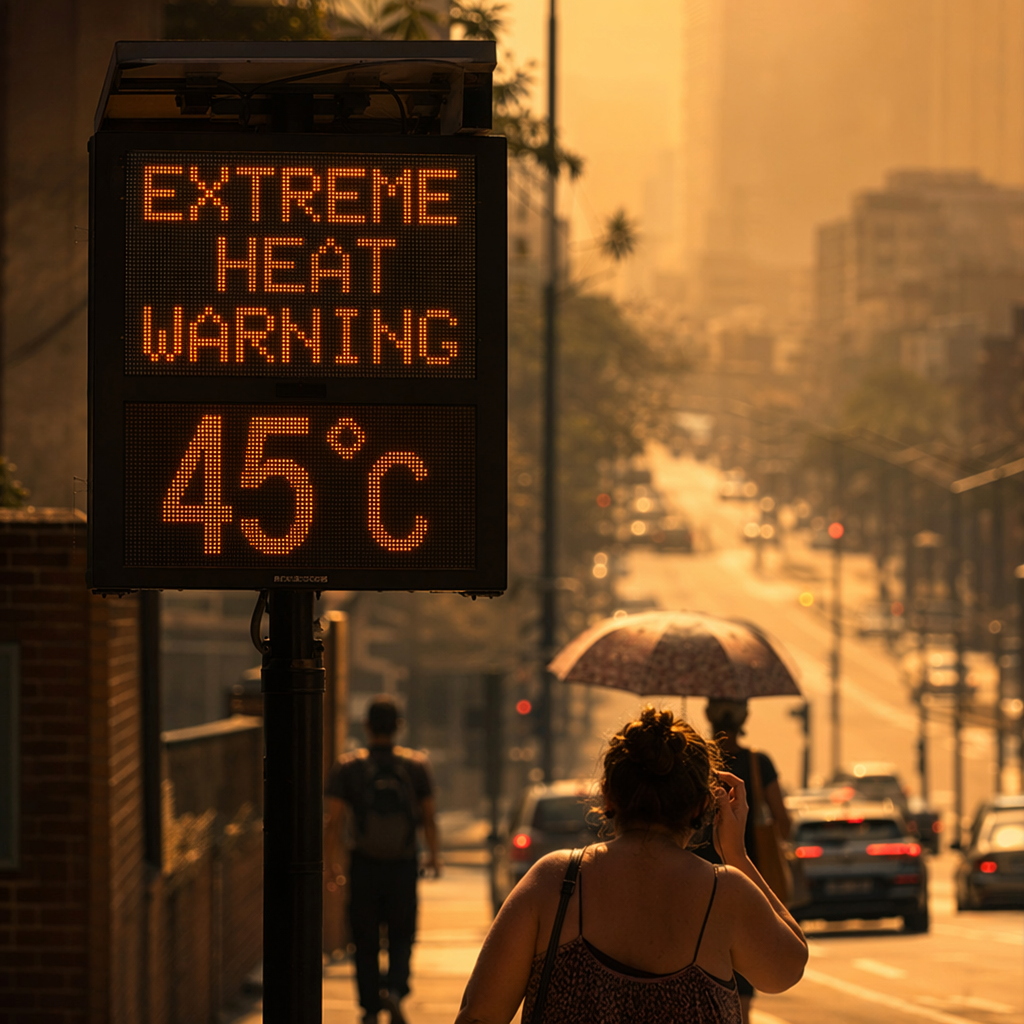
Extreme heat is now one of the most closely monitored weather hazards in the world. In 2024, the European Union’s Copernicus Climate Change Service reported that global average temperatures reached record levels, with 2024 confirmed as the warmest year on record and the first calendar year to exceed 1.5°C above pre-industrial levels. The World Meteorological Organization said in January 2025 that the global mean temperature in 2024 was about 1.55°C above the 1850–1900 average, based on consolidated international datasets.
As of 2026, extreme heat warnings are no longer limited to traditional hot-weather regions. National weather agencies issue alerts for large cities, rural farming regions, coastal zones and inland industrial areas when forecast temperatures or heat index values reach thresholds that can harm health, disrupt work and strain electricity systems. These warnings are public safety notices, not routine weather updates.
Government agencies define extreme heat differently by location because health risks vary with local climate, infrastructure and population vulnerability. In the United States, the National Weather Service uses products such as Heat Advisories, Excessive Heat Watches and Excessive Heat Warnings when heat index values or temperatures are expected to reach dangerous levels. In the United Kingdom, the Met Office works with the UK Health Security Agency through the Heat-Health Alert system, which assesses likely impacts on the health and social care sector. India’s Meteorological Department issues heat wave warnings when temperatures cross region-specific thresholds, particularly in the pre-monsoon season.
What is an extreme heat warning?
An extreme heat warning is an official alert issued by a meteorological or public health authority when forecast heat conditions are expected to pose a serious risk to life, health, infrastructure or essential services. The warning may be based on air temperature, humidity, overnight minimum temperature, duration of heat, or heat index.
In the United States, the National Weather Service describes excessive heat as conditions where heat and humidity significantly increase the risk of heat-related illness, especially for people without effective cooling or hydration. A warning generally means dangerous heat is expected or occurring, while a watch indicates that dangerous heat is possible in the coming days.
In Europe, warnings may be issued through national meteorological services and public health authorities. The thresholds differ because a temperature considered dangerous in northern Europe may be more common in southern Europe, but still harmful when buildings, health services or communities are not adapted to prolonged heat.
In India, the India Meteorological Department classifies a heat wave in plains areas when the maximum temperature reaches at least 40°C and departs from normal by 4.5°C to 6.4°C, with a severe heat wave at higher departures. The criteria are adjusted for coastal and hilly regions. These definitions are published by the government weather service and are used for public warnings and disaster preparedness.
Recent data show why warnings are increasing
The rise in heat alerts reflects measured temperature trends and documented public health impacts. According to the World Meteorological Organization, 2024 was the warmest year in the global temperature record, and the 10 warmest years on record had all occurred within the previous decade. Copernicus reported that July 22, 2024, was the hottest day recorded globally in its ERA5 dataset, with the global daily average surface air temperature reaching about 17.16°C.
Reuters reported in 2024 that countries across Asia, Europe and North America experienced severe heat episodes, including extended heat waves in India, Mexico, the United States and southern Europe. Public authorities issued heat alerts, opened cooling centers and urged residents to reduce outdoor exposure during peak afternoon hours.
In the United States, the National Oceanic and Atmospheric Administration reported that 2024 was among the warmest years recorded nationally, with multiple billion-dollar weather and climate disasters that included heat-related and drought-linked impacts. NOAA’s National Centers for Environmental Information said the country experienced 27 confirmed billion-dollar weather and climate disasters in 2024, continuing a recent pattern of costly extreme events.
Europe also recorded significant heat impacts. The Copernicus Climate Change Service and the World Meteorological Organization’s State of the Climate in Europe reports have documented that Europe is warming faster than the global average. In 2024, southern and eastern Europe faced repeated high-temperature episodes, while health authorities in several countries issued public heat advice during summer periods.
Key facts and figures from 2024 to 2026
- 2024: The World Meteorological Organization said the global average temperature was about 1.55°C above pre-industrial levels, making 2024 the warmest year on record.
- 2024: Copernicus reported that July 22, 2024, was the hottest day in the ERA5 record, with a global daily average surface air temperature of around 17.16°C.
- 2024: NOAA reported 27 confirmed billion-dollar weather and climate disasters in the United States, showing the wider cost of extreme weather conditions.
- 2024: The India Meteorological Department issued repeated heat wave warnings during the pre-monsoon and early summer season as parts of northern and central India recorded temperatures above 45°C.
- 2025: The World Meteorological Organization stated that the years 2015–2024 were the ten warmest years on record, based on six international datasets.
- As of 2026: National meteorological services in the United States, United Kingdom, India, Australia and European Union member states continue to use official heat warning systems tied to health risk, temperature thresholds and expected duration.
Why humidity and night temperatures matter
Extreme heat warnings are not based only on the daytime maximum temperature. Humidity can make heat more dangerous by reducing the body’s ability to cool itself through sweating. This is why forecasters often refer to the heat index, which combines air temperature and relative humidity to estimate how hot conditions feel to the human body.
High overnight temperatures are also important. Public health agencies warn that warm nights reduce the body’s recovery time, especially for older adults, infants, people with chronic illness and those living in homes without air conditioning. Several national heat-health systems include minimum nighttime temperatures in risk assessments because hospital admissions and mortality can rise when heat continues for several days without relief.
Urban areas face additional risk because roads, buildings and concrete surfaces absorb and retain heat. This urban heat island effect can keep city temperatures higher than surrounding rural areas, particularly at night. Government and academic studies have linked urban heat islands to increased cooling demand, higher health risk and greater pressure on electricity systems during heat waves.
Health risks linked to extreme heat
Heat-related illness can develop quickly. The U.S. Centers for Disease Control and Prevention identifies heat exhaustion and heat stroke as the main medical risks. Heat exhaustion can include heavy sweating, weakness, dizziness, nausea and headache. Heat stroke is a medical emergency marked by very high body temperature, confusion, loss of consciousness or seizures.
The World Health Organization states that heat stress is a leading weather-related cause of death and can worsen cardiovascular, respiratory and kidney diseases. Older adults, pregnant people, outdoor workers, children, people with disabilities and people without reliable housing or cooling are among the groups most at risk.
Workplace exposure is also a major concern. The International Labour Organization has reported that excessive heat affects labour productivity and occupational safety, particularly in agriculture, construction, delivery services and factory work. As of 2026, several governments and labour agencies publish guidance on rest breaks, hydration and modified work schedules during official heat warnings.
How governments issue and communicate warnings
Weather agencies usually issue heat warnings through websites, mobile alerts, television, radio and emergency management channels. Many systems use colour-coded categories to communicate risk. For example, yellow, amber and red alerts may indicate increasing levels of health impact, while watches and warnings may indicate timing and certainty.
In the United Kingdom, the UK Health Security Agency and Met Office operate Heat-Health Alerts in England from June to September, with alert levels designed for the health and social care system. The system considers temperature forecasts and likely impacts on vulnerable groups, hospitals and care providers.
In the United States, National Weather Service local offices issue heat products based on regional thresholds. A Heat Advisory may be issued when conditions are expected to cause heat illness if precautions are not taken. An Excessive Heat Warning indicates a higher risk and a greater need for immediate protective action.
In India, heat wave forecasts from the India Meteorological Department are shared with state disaster management authorities, health departments and the public. Several Indian cities and states also operate heat action plans that include early warning dissemination, changes to school or work timings, drinking water access and hospital preparedness.
Public safety actions during an extreme heat warning
Official guidance from public health agencies is consistent across countries: people should avoid unnecessary exposure, drink water regularly, check on vulnerable individuals and seek cooler spaces. Authorities also advise residents not to leave children, older adults or pets inside parked vehicles, where temperatures can rise rapidly.
During a warning, local governments may open cooling centers, extend library or community center hours, suspend outdoor activities, adjust school schedules or increase outreach to people experiencing homelessness. Electricity grid operators may also ask customers to reduce peak-hour power use when air-conditioning demand is high.
For individuals, the safest actions depend on local conditions and health status. People with medical conditions should follow advice from health professionals and official emergency agencies. Outdoor workers should use shade, rest breaks and hydration according to occupational safety guidance. Anyone showing signs of heat stroke should receive emergency medical help immediately.
Economic and infrastructure impacts
Extreme heat warnings also signal risks beyond health. High temperatures can affect transport, electricity generation, agriculture and water supply. Rail tracks can buckle, roads can soften, power lines can lose efficiency and cooling demand can put pressure on electricity grids.
Reuters has reported that heat waves in recent years have disrupted schools, power supply and labour activity in multiple countries. In 2024, heat in parts of Asia led authorities to close schools or adjust public schedules. In Europe and North America, utilities and grid operators monitored high power demand during heat waves as households and businesses increased air-conditioning use.
Agriculture is exposed because heat can reduce crop yields, increase livestock stress and raise irrigation demand. Government agricultural agencies often issue advisories during heat waves to protect livestock, manage water and reduce worker exposure. The effects vary by crop, location and timing, but prolonged high temperatures during flowering or grain-filling periods can damage production.
Why the wording of warnings matters
The wording of an extreme heat warning is designed to prompt action. A forecast that says temperatures will be above normal may not communicate the same risk as an official warning that says dangerous heat is expected. Public agencies use defined terms to reduce confusion and to help hospitals, schools, employers and emergency managers prepare.
As of 2026, many warning systems are becoming more impact-based. Instead of reporting only a temperature number, agencies increasingly describe likely effects, such as dangerous conditions for older adults, increased strain on health services, high wildfire danger or possible transport disruption. This approach is intended to make warnings more useful for decision-makers and the public.
However, thresholds remain local. A 35°C forecast may trigger serious warnings in one country but not another, depending on humidity, housing, air-conditioning access, population vulnerability and normal seasonal temperatures. That is why official local warnings are more relevant than general comparisons across countries.
What to watch when a heat warning is issued
People should monitor the issuing agency, alert level, expected duration and overnight temperatures. A one-day hot spell may require caution, while a multi-day warning can create cumulative health risks and infrastructure stress. The most dangerous periods are often mid-afternoon to early evening, but warm nights can increase risk when indoor spaces do not cool down.
Official agencies recommend following local emergency instructions and checking updates because forecasts can change. Heat warnings may be upgraded, extended or cancelled depending on observed temperatures, humidity and health impacts.
As of 2026, extreme heat warnings are a central part of public safety planning because recent years have produced repeated records and measurable health, economic and infrastructure impacts. The warnings are based on official thresholds and are intended to reduce preventable illness and deaths during dangerous heat.
Sources: Reuters, Government releases, publicly available data.
Comments
Post a Comment