Delhi's Population Dynamics: A Growing Metropolis
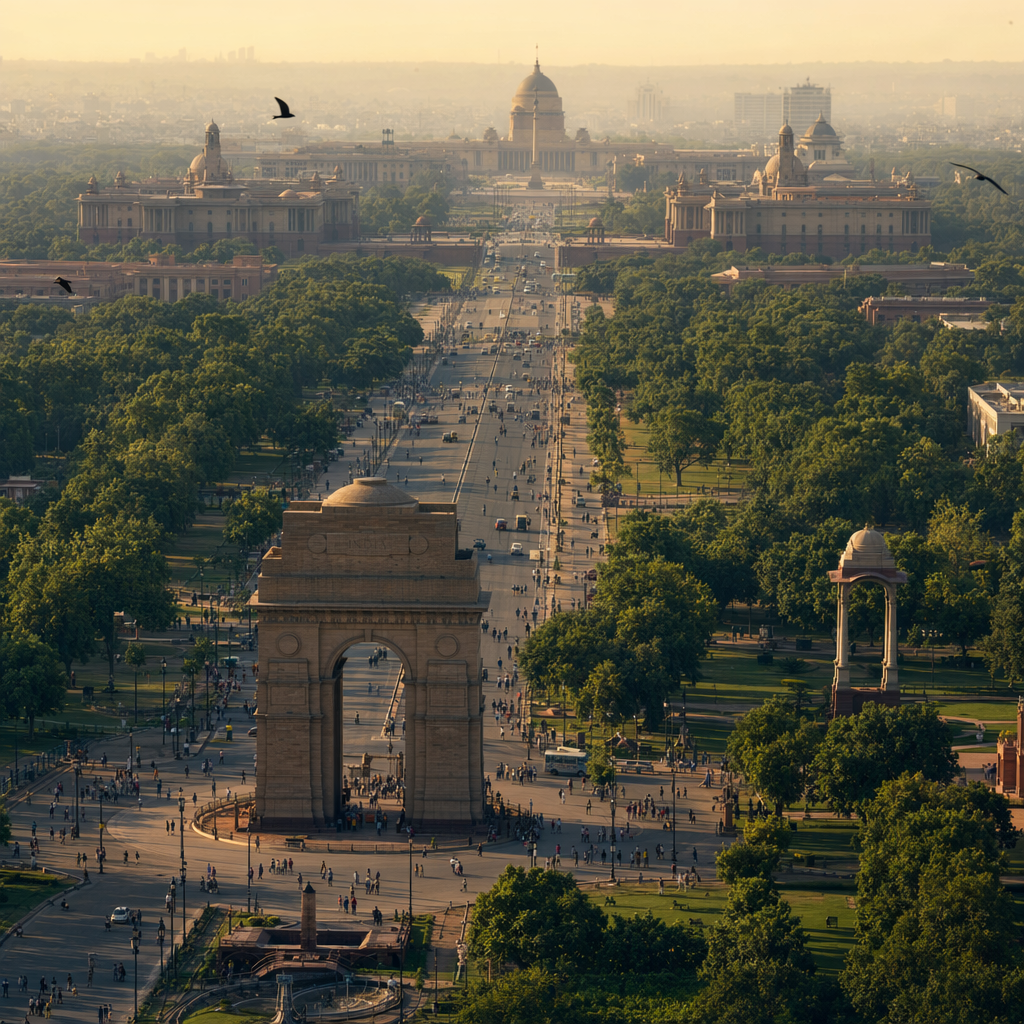
As of 2026, Delhi's population stands at approximately 20 million, making it one of the most populous cities in India. According to the Government of India's statistics, the city has seen a steady increase in population over the past few years, with a growth rate of about 2% annually. This demographic expansion is attributed to both natural growth and migration from other parts of India, as people move to the capital in search of better economic opportunities and living conditions.
Economic Contributions and Challenges
Delhi contributes significantly to India's economy, with a Gross State Domestic Product (GSDP) of approximately USD 300 billion as of 2026. This positions Delhi as one of the leading economic hubs in the country, driven by sectors such as information technology, telecommunications, hotels, banking, media, and tourism. However, the city faces challenges in managing this rapid economic growth, including infrastructure development and traffic congestion. The Delhi government has been working on several projects to improve urban infrastructure, such as the expansion of the metro system and the development of new roads and flyovers.
Environmental Concerns: Air Quality and Pollution
Delhi's air quality continues to be a major concern, with pollution levels frequently exceeding safe limits. As of 2026, the Air Quality Index (AQI) often registers in the 'poor' category, particularly during the winter months when smog is prevalent. The Central Pollution Control Board (CPCB) has highlighted that vehicular emissions, industrial activities, and construction dust are primary contributors to this pollution. The government has implemented measures such as the Odd-Even vehicle scheme and the promotion of electric vehicles to mitigate pollution levels.
Transportation and Infrastructure Developments
Transportation infrastructure in Delhi has seen significant improvements over the years. As of 2026, the Delhi Metro network spans over 400 kilometers, serving millions of commuters daily. The metro system is a critical component of the city's public transport network, helping reduce road traffic and pollution. Additionally, the Delhi government has been investing in smart city initiatives, including the deployment of intelligent traffic management systems and the enhancement of public transport facilities.
Key Statistics to Note
- Population Growth: Delhi's population is expected to reach 22 million by 2026.
- Economic Output: GSDP projected to grow at 8% annually from 2024 to 2026.
- Metro Expansion: Metro network to add 100 km by 2026.
- Air Quality: AQI remains in 'poor' category for over 100 days annually.
- Traffic Congestion: Average commute time exceeds 60 minutes.
Healthcare and Education: Progress and Prospects
Healthcare and education are vital sectors in Delhi, with significant investments made to enhance facilities and access. As of 2026, Delhi boasts over 500 hospitals and numerous educational institutions, including premier universities and colleges. The government has prioritized the improvement of healthcare services and educational quality, aiming to provide affordable and accessible options to its residents. Initiatives such as the Mohalla Clinics and expansion of school infrastructure are part of this strategic focus.
Sources: Reuters, Government releases, publicly available data.
Comments
Post a Comment