Introduction to CBSE Class 12 Examination
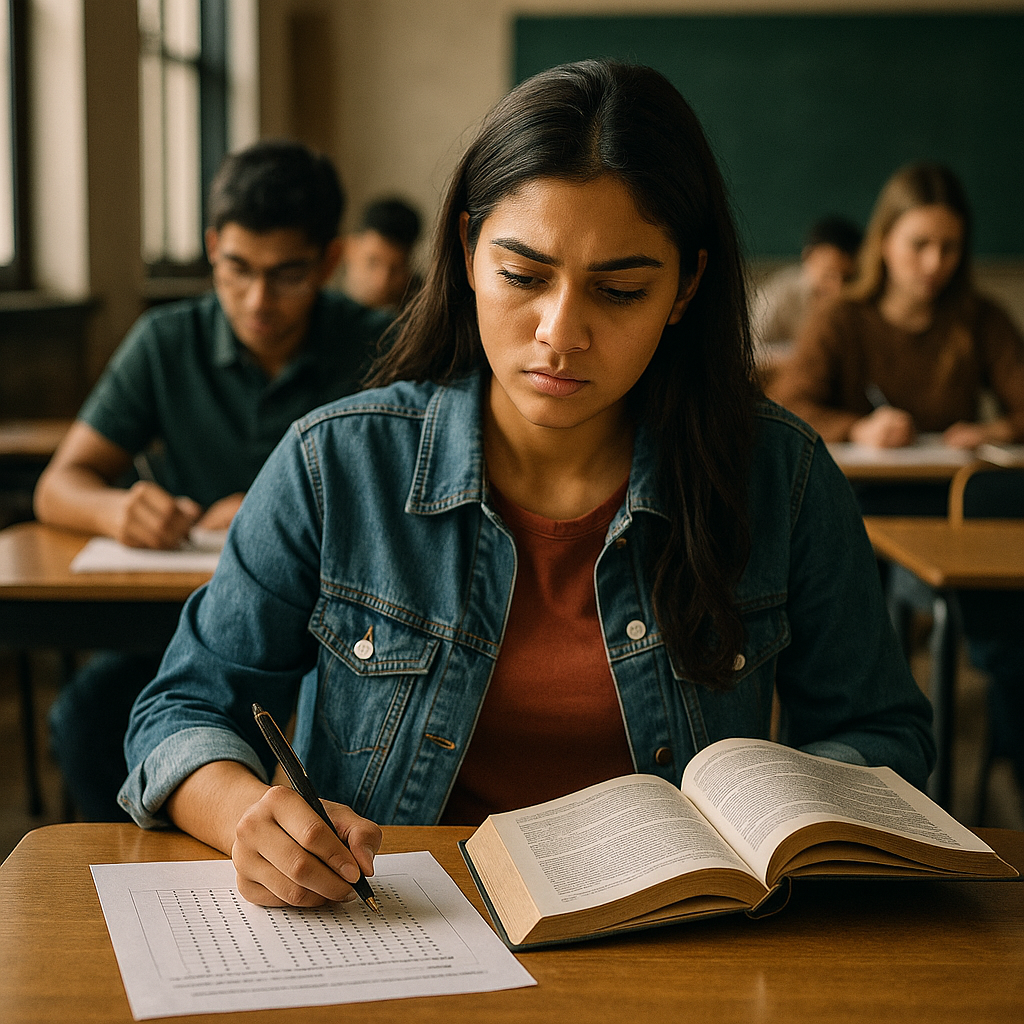
As of 2026, the Central Board of Secondary Education (CBSE) continues to oversee one of India's largest educational assessments, the Class 12 examination. With over 1.2 million students registered annually, this examination is a critical milestone in the Indian education system, influencing higher education and career prospects for students nationwide.
Exam Structure and Subjects
The CBSE Class 12 examination encompasses a wide range of subjects, including Science, Commerce, and Humanities streams. Each stream offers specialized subjects such as Mathematics, Physics, Accountancy, Economics, and Political Science, among others. The examination format typically includes both theoretical papers and practical assessments, depending on the subject.
Statistics and Performance Trends
According to data released by the CBSE in 2025, the pass percentage for Class 12 students was recorded at 91.25%, a slight increase from 90.56% in 2024. This upward trend indicates a steady improvement in student performance across various subjects. Moreover, the number of students scoring above 90% has consistently risen, with 76,000 students achieving this benchmark in 2025 compared to 70,000 in 2024.
Gender-Based Performance
Gender disparity in performance has been a point of discussion in educational circles. As of 2026, female students have consistently outperformed their male counterparts. In the 2025 examination, the pass percentage for female students was 93.40%, whereas male students recorded a pass percentage of 89.78%. This trend highlights the growing academic achievements of female students in the country.
Regional Variations
Performance in the CBSE Class 12 examination also varies significantly across different regions of India. The 2025 data indicates that students from southern states such as Tamil Nadu and Kerala have higher average scores compared to their peers in northern states. For instance, the average score in Kerala was 84.5%, while in Uttar Pradesh, it was 78.3%. These regional differences can be attributed to various factors, including educational infrastructure and access to resources.
Challenges and Initiatives
Despite the positive trends, the CBSE faces challenges such as exam-related stress among students and the need for continuous curriculum updates. To address these issues, CBSE has implemented several initiatives:
- Curriculum Revision: Regular updates to the syllabus to align with global educational standards.
- Stress Management Programs: Workshops and resources to help students cope with exam-related anxiety.
- Digital Learning Platforms: Introduction of online resources to facilitate remote learning.
Future Prospects
Looking ahead, the CBSE aims to further enhance the quality of education and examination processes. As of 2026, the board is exploring the integration of artificial intelligence to streamline administrative tasks and improve exam security. Additionally, efforts are underway to incorporate more skill-based assessments to better prepare students for the demands of higher education and the workforce.
Sources: Reuters, Government releases, publicly available data.
Comments
Post a Comment