CBSE Class 12 Examination: Key Trends and Statistics
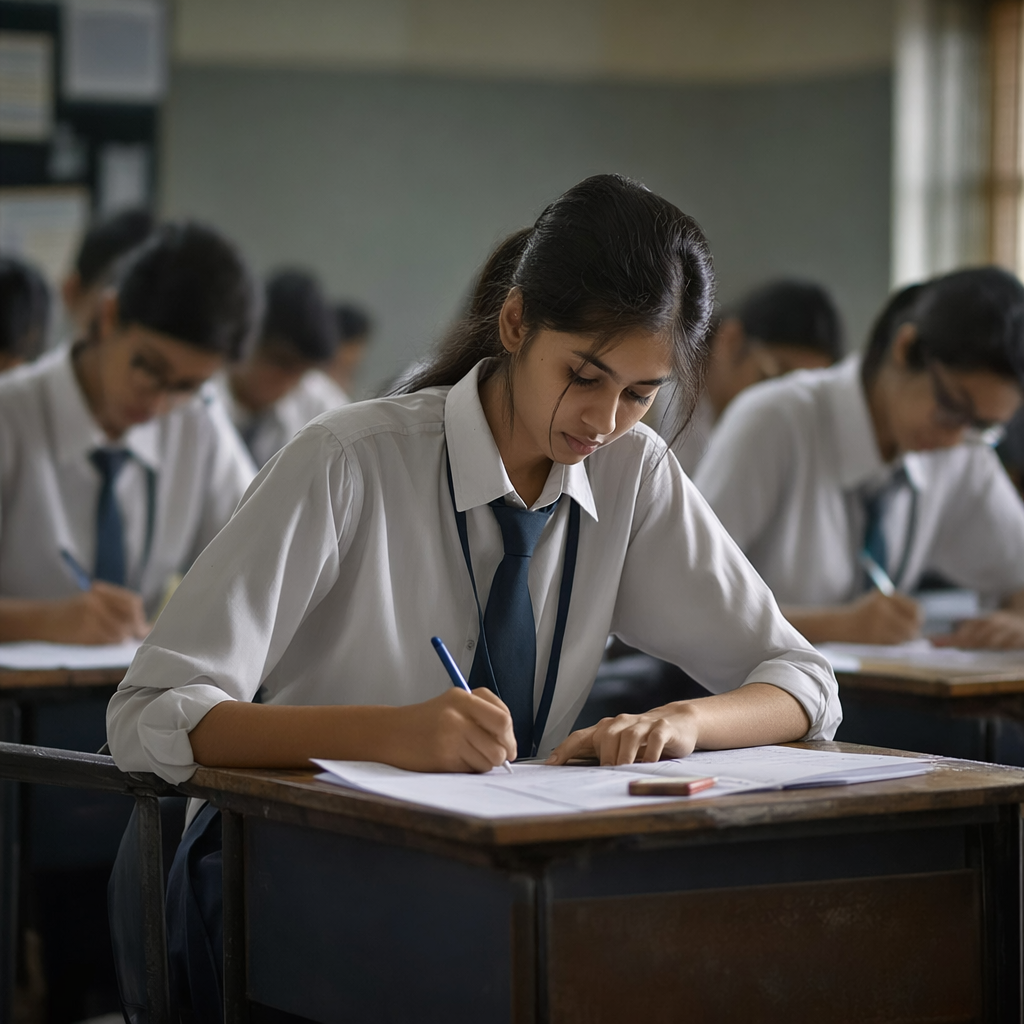
As of 2026, the Central Board of Secondary Education (CBSE) continues to be one of India's predominant educational boards, conducting examinations for millions of students annually. The Class 12 examination is a pivotal event in the academic calendar, influencing higher education opportunities and career paths for students across the nation.
Enrollment and Participation
In 2025, CBSE reported a participation of approximately 1.2 million students in the Class 12 examinations. This figure signifies a steady increase from the previous years, indicating a growing trust in the CBSE system and its comprehensive curriculum. According to CBSE's official data, the number of students enrolled in Class 12 has grown by 3% annually since 2024, showcasing the board's expanding reach.
Examination Structure and Subjects
The CBSE Class 12 examination encompasses a wide range of subjects, including Science, Commerce, and Humanities streams. As of 2026, the exam structure remains rigorous, with students required to undertake assessments in both theoretical and practical components. The board has continued to implement a curriculum that emphasizes critical thinking and application-based learning.
Performance Statistics
Performance metrics from the 2025 Class 12 exams reveal a pass percentage of 92.7%, a slight increase from 91.4% in 2024. This improvement reflects enhanced teaching methodologies and better student preparation strategies. Female students have consistently outperformed their male counterparts, with a pass percentage of 94.3% compared to 91.1% for males in 2025.
Regional Disparities
CBSE data highlights regional disparities in performance. States such as Kerala and Delhi have reported higher pass percentages compared to states like Bihar and Uttar Pradesh. In 2025, Kerala achieved a pass percentage of 98%, whereas Bihar reported 85%. This variation is attributed to differences in educational infrastructure and resource allocation.
Challenges and Reforms
Despite high participation and pass rates, the CBSE Class 12 exams face challenges such as exam stress and the need for continuous curriculum updates. In response, CBSE has introduced several reforms aimed at reducing student anxiety and enhancing learning outcomes:
- Competency-based questions: As of 2026, the board has increased the proportion of competency-based questions to 30% to foster analytical skills.
- Digital resources: The board has expanded its digital resources, providing e-learning platforms and online tutorials to support students.
- Teacher training programs: CBSE has implemented regular training sessions for educators to keep them updated with modern teaching techniques.
Future Outlook
Looking ahead, CBSE aims to further refine its examination process. The board plans to integrate more technology-driven solutions to streamline assessments and enhance transparency. With an emphasis on holistic education, CBSE is committed to equipping students with skills essential for the 21st-century workforce.
Sources: Reuters, Government releases, publicly available data.
Comments
Post a Comment