BGMI in 2026: India’s Mobile Battle Royale Market, Regulation and Esports Economy
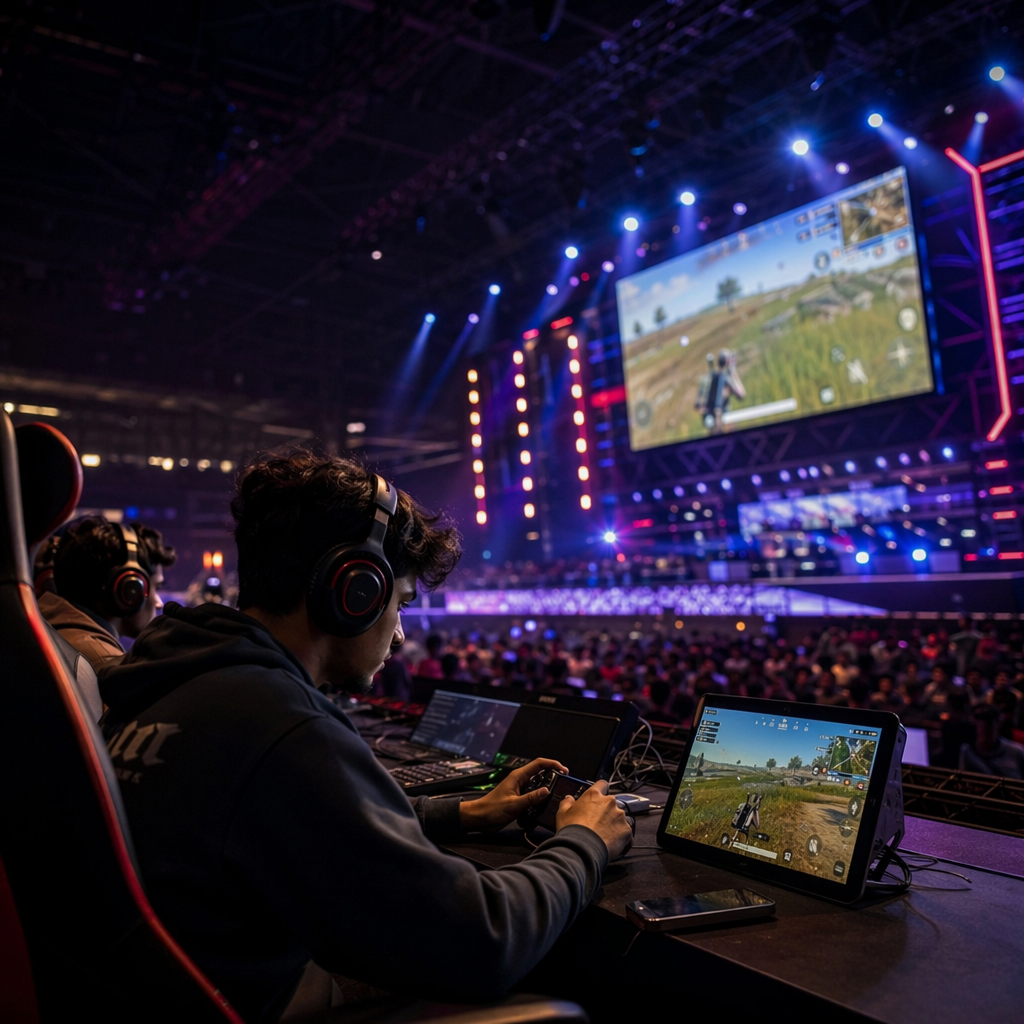
As of 2026, Battlegrounds Mobile India, commonly known as BGMI, remains one of India’s most closely watched mobile games because it sits at the intersection of gaming, youth internet use, esports and government regulation. The game’s trajectory has been shaped not only by player demand but also by official scrutiny, app-store removals, relaunch conditions and India’s fast-growing digital entertainment market.
BGMI is the India-specific version of PUBG Mobile published by Krafton. It was launched in India in July 2021 after PUBG Mobile had been blocked by the Government of India in September 2020 under Section 69A of the Information Technology Act. The Ministry of Electronics and Information Technology said at the time that the action was taken against apps considered prejudicial to the sovereignty and integrity of India, defence of India, security of the state and public order.
The game returned to public attention in 2023 when BGMI was allowed back on Indian app stores after a suspension. Reuters reported in May 2023 that Krafton’s Battlegrounds Mobile India had been approved for a trial period following talks with Indian authorities. The decision marked a major turning point for the title because it restored official distribution through mainstream app platforms and reopened the country’s largest mobile gaming audience to the game.
What BGMI Is and Why It Matters
BGMI is a free-to-play battle royale game designed for mobile devices. In its main format, players compete individually or in teams, collect equipment and attempt to be the last player or squad remaining. The core gameplay is similar to PUBG Mobile, but BGMI was introduced as a localized title for the Indian market, with region-specific publishing and compliance measures.
The game matters because India is one of the world’s largest mobile-first internet markets. According to the Telecom Regulatory Authority of India’s performance indicator data, India had more than 1.16 billion wireless subscribers in 2024. The country’s large smartphone user base, low-cost mobile data and high youth population have helped mobile gaming become a mainstream entertainment category.
Krafton has repeatedly identified India as a priority market. In official company communications after BGMI’s return, the company said it was continuing to work with Indian authorities and comply with local requirements. That regulatory context distinguishes BGMI from many other mobile games available in India.
Regulatory Timeline: From PUBG Mobile Ban to BGMI’s Return
The regulatory background is central to understanding BGMI. PUBG Mobile, developed by Tencent-backed entities for global markets, was among the apps blocked in India in September 2020. The Government of India said the apps raised concerns over data security and national security.
BGMI launched in 2021 as an India-focused product under Krafton. However, in July 2022, the game was removed from Google Play and Apple’s App Store in India. Reuters reported at the time that Google said it had received an official order and followed the established process by notifying the developer and blocking access to the app in India.
In May 2023, Reuters reported that BGMI was cleared to return for a three-month trial period. At that time, authorities were expected to monitor issues including user safety and possible addiction concerns. The return made BGMI one of the most prominent examples of a mobile game operating in India under heightened public and regulatory attention.
As of 2026, BGMI’s availability in India continues to depend on compliance with Indian rules, platform policies and government directions. This makes the game a case study in how digital entertainment services operate in a regulated market.
Key 2024–2026 Data Points
Several public and industry data points help explain the environment in which BGMI operates. These figures are not all specific to BGMI, but they show the scale of India’s mobile and gaming ecosystem in the 2024–2026 period.
- 2024: The Telecom Regulatory Authority of India reported India had more than 1.16 billion wireless telephone subscribers, showing the size of the mobile connectivity base relevant to mobile games.
- 2024: India’s broadband subscriber base crossed 900 million, according to Department of Telecommunications and TRAI data, supporting high-volume mobile internet usage.
- 2024: Krafton said BGMI had crossed 100 million registered users in India, a milestone cited in company communications and public reporting after the game’s relaunch.
- 2025: The India Brand Equity Foundation, citing industry estimates, projected India’s online gaming market to continue expanding through 2025, supported by smartphone penetration and digital payments.
- 2025: Government of India data on digital infrastructure continued to show growth in UPI transactions, an important enabling factor for in-app purchases and digital gaming payments.
- As of 2026: BGMI remains linked to India’s broader policy debate around online gaming, user protection, data governance and taxation of real-money gaming and digital services.
BGMI and India’s Esports Ecosystem
BGMI has been one of the most visible titles in Indian esports. Its competitive events include professional leagues, invitational tournaments and community competitions. These events involve teams, streamers, sponsors, tournament organizers and streaming platforms.
The distinction between esports and real-money gaming is important in India’s policy environment. Esports generally refers to competitive video gaming, where players compete based on skill in a digital game. Real-money gaming involves users staking money for winnings and has been subject to separate legal and tax debates.
In December 2022, the Government of India formally recognized esports as part of multi-sports events under the Ministry of Youth Affairs and Sports, while online gaming matters were allocated to the Ministry of Electronics and Information Technology. That administrative recognition provided a clearer framework for esports, including games such as BGMI when played competitively.
BGMI esports has also contributed to the creator economy. Professional players and streamers earn through tournament winnings, brand sponsorships, live-streaming revenue and content partnerships. However, public earnings vary widely and depend on event results, contracts and platform policies. Reliable earnings data is usually not disclosed in full by teams or players.
Monetization: How BGMI Makes Money
BGMI is free to download. Its monetization is primarily based on in-game purchases. Players can buy virtual items, skins, crates, passes and cosmetic upgrades. These purchases do not usually change the basic rule of the match, but they are a major revenue source for the publisher.
This model is common across free-to-play mobile gaming. It depends on large user numbers and a smaller share of paying users. Digital payments infrastructure is relevant because in-app purchases are typically processed through app stores and payment systems.
India’s digital payment growth has supported mobile commerce more broadly. According to the National Payments Corporation of India, UPI transactions reached record monthly volumes in 2024 and continued to expand in 2025. While UPI data does not measure BGMI spending directly, it indicates the wider consumer shift toward mobile payments that affects digital entertainment services.
Data Security and Compliance Issues
Data protection has been a recurring issue in BGMI’s public history. The 2020 PUBG Mobile ban was part of a wider action against apps associated with data security concerns. BGMI’s later relaunch placed Krafton in a position where compliance, server management and data handling were closely watched.
India enacted the Digital Personal Data Protection Act in 2023. The law created a framework for processing digital personal data and set obligations for data fiduciaries. For online games, the law is relevant because games collect account information, device identifiers, payment data, chat records and usage patterns.
As of 2026, companies operating large digital platforms in India are expected to account for data protection duties, user consent mechanisms, grievance processes and compliance with government directions. For minors, the Digital Personal Data Protection Act includes specific provisions on processing children’s data, subject to rules and notifications by authorities.
Player Safety, Age Ratings and Screen-Time Controls
Player safety has been a major area of official and public concern. Mobile battle royale games are immersive by design, and they often attract younger audiences. Government officials and courts in India have periodically discussed concerns about excessive gaming, although policies vary by state and by platform.
BGMI has included safety-related features such as playtime reminders, age gates and spending limits for younger users. These measures have been described by Krafton in product communications and public statements. Their effectiveness depends on implementation, user behavior and parental supervision.
App stores also apply content ratings. Google Play and Apple’s App Store provide age guidance, content descriptions and parental control tools. These platform-level controls form part of the broader safety environment for mobile games in India.
BGMI’s Place in India’s Mobile Gaming Market
BGMI competes with other mobile action games, casual games, sports titles and strategy games. Its continued prominence is linked to four factors: mobile-first gameplay, team-based social play, esports visibility and a large creator community.
India’s gaming market has not grown evenly across all categories. Real-money gaming has faced tighter tax and legal scrutiny, including the application of Goods and Services Tax rules to online gaming. In contrast, esports and entertainment-based mobile games are assessed through different lenses, though they still face data, user safety and content regulation.
For advertisers and sponsors, BGMI offers access to young digital audiences. Tournament broadcasts, creator livestreams and short-form video clips create additional media inventory around the game. The commercial opportunity is significant, but brand participation is influenced by regulatory confidence, platform stability and audience measurement.
Current Status in 2026
As of 2026, BGMI is best understood as more than a mobile game in India. It is a large-scale digital entertainment platform that reflects how India manages foreign-developed apps, youth gaming, esports and data governance. Its history shows how a product can move between rapid adoption, official restriction and regulated return.
The factual record shows three clear points. First, India’s mobile internet base remains large enough to support mass-market games. Second, BGMI has already demonstrated major user reach, with Krafton reporting the 100 million registered-user milestone in India. Third, the game operates in a market where government oversight, app-store compliance and public safety concerns are part of normal business conditions.
BGMI’s future in India will depend on verifiable compliance with applicable law, sustained player engagement and the ability of esports organizers, teams and platforms to operate within official rules. Those factors, rather than hype, define the game’s position in 2026.
Sources: Reuters, Government releases, publicly available data.
Comments
Post a Comment