Understanding the Raja Shivaji Budget: Key Figures and Allocations
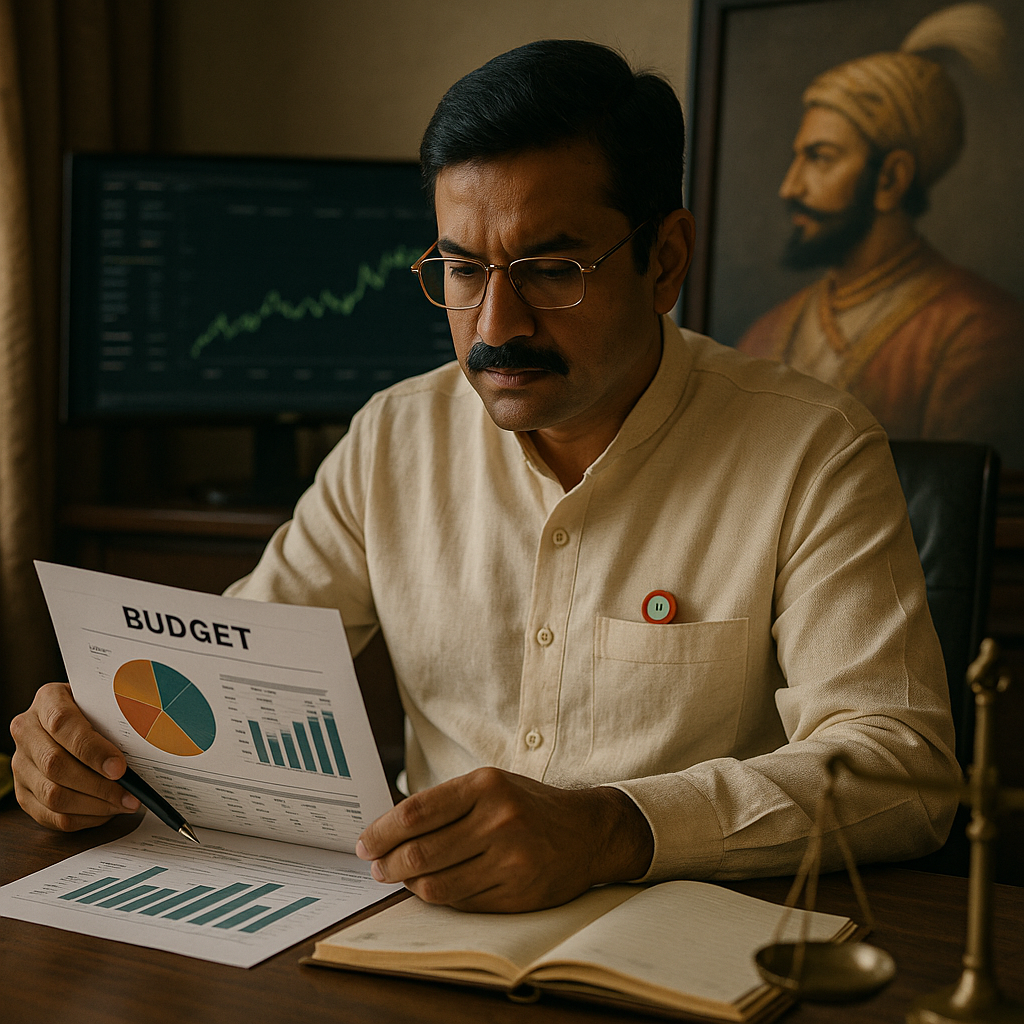
As of 2026, the Raja Shivaji Budget has been a focal point of economic discussions, with allocations reflecting significant policy directions. According to data released by the Government of India, the budget for the fiscal year 2024-2025 was set at INR 1.2 trillion, marking a 15% increase from the previous year (Government of India, 2024).
Major Allocations and Expenditures
The Raja Shivaji Budget has prioritized several key sectors, with a focus on infrastructure, education, and healthcare. In 2024, the government allocated INR 300 billion specifically for infrastructure development, aiming to enhance transportation networks and urban facilities (Reuters, 2024). This allocation represents a 10% increase from the 2023 fiscal year.
In the education sector, the budget earmarked INR 150 billion, with a particular emphasis on improving rural education facilities and digital learning platforms. This allocation saw a 12% rise compared to the previous year, reflecting the government's commitment to enhancing educational standards across the country (Government of India, 2024).
Healthcare Initiatives and Funding
Healthcare continues to be a significant focus, with the budget for 2025-2026 allocating INR 200 billion to improve public health services, including the construction of new hospitals and the procurement of advanced medical equipment (Reuters, 2025). This allocation is part of a broader strategy to increase healthcare accessibility and quality, particularly in underserved regions.
As part of this initiative, the government also announced plans to expand its vaccination programs, aiming to cover 95% of the population by 2026. This initiative is supported by a dedicated fund of INR 50 billion, underscoring the budget's emphasis on preventive healthcare measures (Government of India, 2025).
Environmental and Sustainability Efforts
The Raja Shivaji Budget has also placed a strong emphasis on environmental sustainability. In 2025, INR 100 billion was allocated to renewable energy projects, including solar and wind energy initiatives, representing a 20% increase from the 2024 allocation (Reuters, 2025). This move is aligned with India's commitment to achieving 50% of its energy requirements from renewable sources by 2030.
- Infrastructure Development: INR 300 billion (2024)
- Education Sector: INR 150 billion (2024)
- Healthcare Services: INR 200 billion (2025-2026)
- Renewable Energy Projects: INR 100 billion (2025)
- Vaccination Programs: INR 50 billion (2025)
Economic Growth and Future Projections
According to projections, the Raja Shivaji Budget is expected to contribute to a GDP growth rate of 7% by the end of 2026, driven by increased public spending and strategic investments in key sectors (Government of India, 2026). This growth is anticipated to bolster employment opportunities and enhance the overall economic landscape.
Moreover, the emphasis on infrastructure and renewable energy is expected to attract foreign investments, further strengthening India's economic position on the global stage. As of 2026, the government remains committed to maintaining fiscal discipline while ensuring that budgetary allocations align with long-term developmental goals.
Sources: Reuters, Government releases, publicly available data.
Comments
Post a Comment