Pradhan Mantri Awas Yojana: Aiming for 'Housing for All'
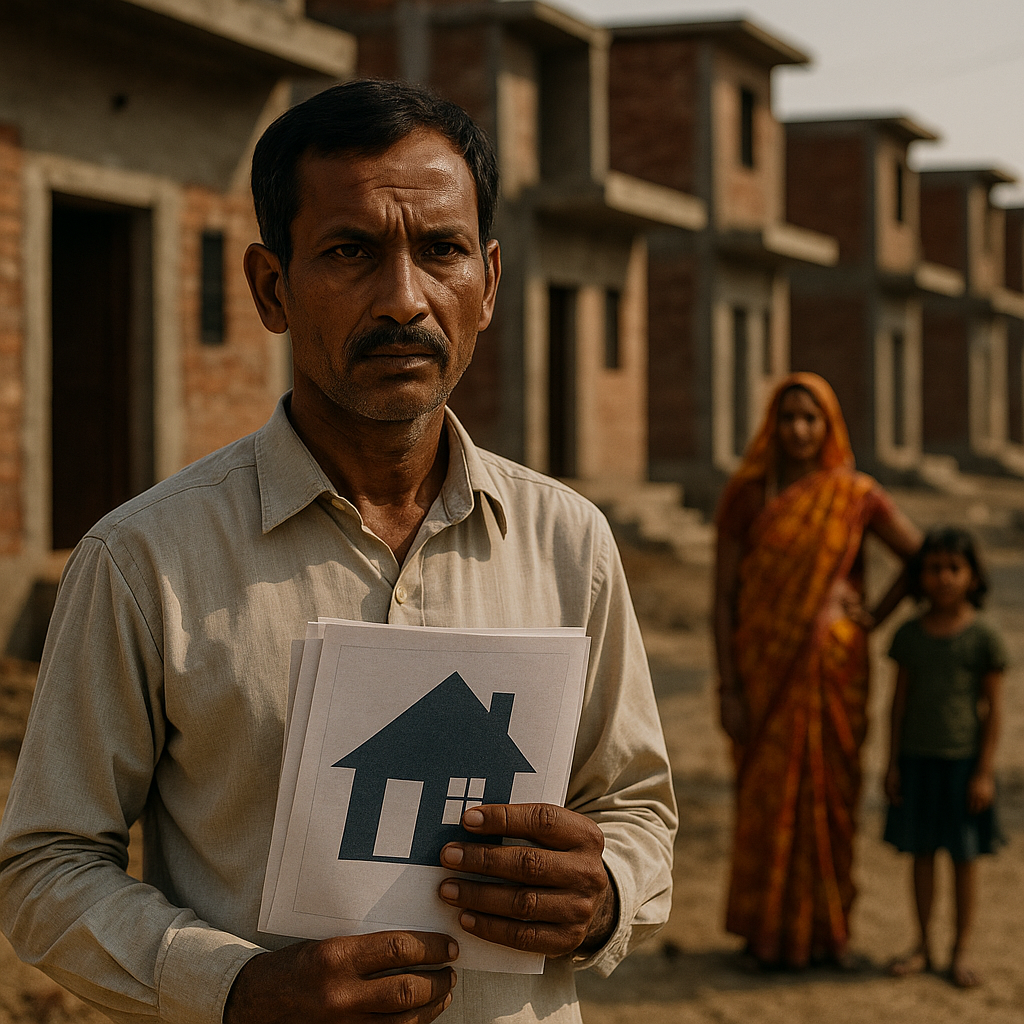
The Pradhan Mantri Awas Yojana (PMAY) represents one of India's most ambitious housing schemes, launched in 2015 by the Government of India with the objective of providing affordable housing to the urban poor by the year 2022. As of 2026, the scheme has made significant strides towards achieving its goals, although challenges remain.
Progress and Achievements
As of 2026, PMAY has sanctioned over 11.2 million houses under its urban component, according to data from the Ministry of Housing and Urban Affairs. This figure reflects the government's commitment to addressing the housing shortage in urban areas, which has been a persistent issue in India's rapidly urbanizing landscape.
In terms of financial disbursement, the government has released approximately INR 1.75 trillion towards the implementation of PMAY-Urban as of 2026. This substantial investment underscores the priority given to housing by the government, aiming to enhance the quality of life for millions of urban residents.
Challenges and Roadblocks
Despite the progress made, the PMAY has faced several challenges. Land acquisition, financing, and coordination between various governmental bodies have been significant hurdles. For instance, as reported by Reuters in 2025, delays in acquiring land for housing projects have slowed down the construction process, affecting the timely delivery of homes.
Additionally, the scheme has encountered financing challenges, particularly in mobilizing the required funds from private stakeholders. The government has been working on addressing these issues by incentivizing private investment and streamlining approval processes.
Key Features of PMAY
- Credit Linked Subsidy Scheme (CLSS): This component of PMAY provides interest subsidies on housing loans to beneficiaries, making home loans more affordable for the urban poor.
- In-situ Slum Redevelopment (ISSR): This aims to utilize land as a resource to provide houses to eligible slum dwellers, with the help of private developers.
- Affordable Housing in Partnership (AHP): This component encourages private sector participation in affordable housing projects.
- Beneficiary-led Construction (BLC): This supports individuals to build or enhance their own homes, with financial assistance from the government.
Impact on Beneficiaries
The impact of PMAY on its beneficiaries has been significant. As of 2026, over 8.5 million houses have been completed and handed over to beneficiaries, providing secure and stable housing to millions of families. This has not only improved living conditions but also contributed to social and economic upliftment.
Furthermore, the scheme has played a crucial role in generating employment. According to government estimates, PMAY has created over 1.2 million jobs in the construction sector, providing a boost to the economy and supporting livelihoods.
Future Outlook
Looking ahead, the government aims to continue its efforts to ensure the completion of all sanctioned houses under PMAY by 2026. The focus remains on overcoming existing challenges and enhancing the efficiency of project implementation. The introduction of new technologies and innovative construction methods is expected to play a pivotal role in achieving these objectives.
Sources: Reuters, Government releases, publicly available data.
Comments
Post a Comment