World Malaria Day: Progress and Challenges in the Global Fight Against Malaria
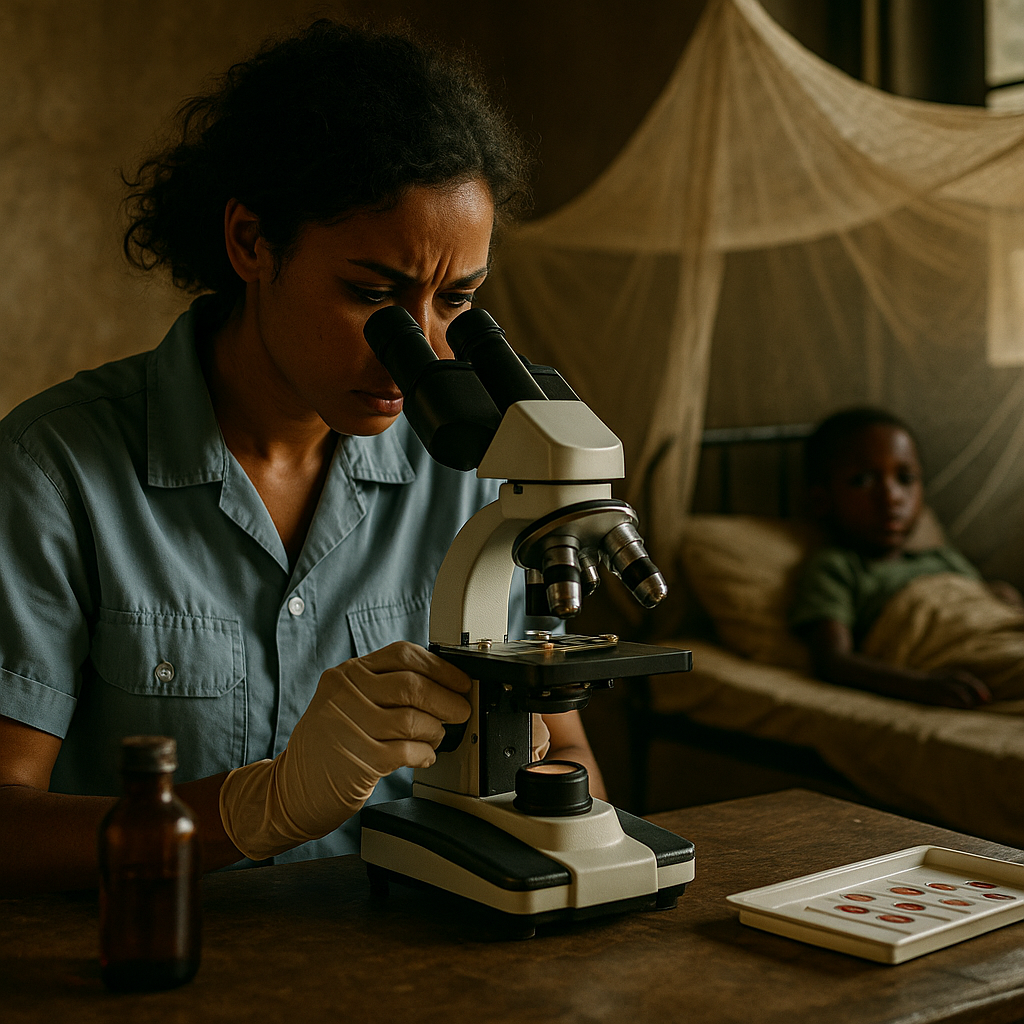
As of 2026, malaria continues to be a significant global health challenge, with an estimated 241 million cases reported worldwide in 2025, according to the World Health Organization (WHO). This represents a slight increase from the 239 million cases reported in 2024, highlighting the persistent threat posed by this mosquito-borne disease.
World Malaria Day, observed annually on April 25, serves as a crucial reminder of the ongoing efforts to combat malaria and the need for sustained investment and innovation in prevention and treatment strategies. The day also provides an opportunity to reflect on the progress made and the challenges that remain in achieving the global goal of malaria eradication.
Progress in Malaria Control
Significant strides have been made in the fight against malaria over the past two decades. According to WHO's World Malaria Report 2025, the global malaria mortality rate has decreased by 60% since 2000, saving an estimated 7.6 million lives. This progress is attributed to the widespread use of insecticide-treated mosquito nets (ITNs), indoor residual spraying (IRS), and effective antimalarial drugs.
In 2025, the number of countries that reported fewer than 10,000 malaria cases increased to 29, up from 27 in 2024. This positive trend indicates that many countries are on track to eliminate malaria within their borders. Notably, China and El Salvador were certified malaria-free by WHO in 2021 and 2023, respectively, demonstrating that elimination is achievable with sustained effort and investment.
Challenges in the Fight Against Malaria
Despite these achievements, malaria remains a major public health concern, particularly in sub-Saharan Africa, which accounted for approximately 94% of all malaria cases and deaths in 2025. The region faces numerous challenges, including limited access to healthcare, inadequate funding, and the emergence of drug-resistant malaria strains.
One of the most pressing issues is the spread of antimalarial drug resistance, particularly in the Greater Mekong Subregion. As of 2026, resistance to artemisinin, the core compound in the most effective antimalarial drugs, has been reported in five countries in the region. This development threatens to undermine the progress made in reducing malaria cases and fatalities.
- 241 million malaria cases globally in 2025 (WHO)
- 60% decrease in global malaria mortality rate since 2000 (WHO)
- 29 countries reported fewer than 10,000 cases in 2025 (WHO)
- 94% of malaria cases and deaths occurred in sub-Saharan Africa in 2025 (WHO)
- Artemisinin resistance reported in five countries in the Greater Mekong Subregion as of 2026 (WHO)
Innovations and Future Directions
To address these challenges, the global health community is focusing on innovative solutions and new technologies. In 2025, WHO endorsed the world's first malaria vaccine, RTS,S/AS01 (Mosquirix), for broader use in children in sub-Saharan Africa. This vaccine has shown to reduce malaria cases by 30% in children who received four doses, offering a new tool in the fight against the disease.
In addition to vaccines, researchers are exploring the use of genetic engineering to control mosquito populations. Gene-drive technology, which can spread genetic modifications through wild mosquito populations, is being tested as a potential method to reduce the number of malaria-transmitting mosquitoes.
Furthermore, digital health tools and data analytics are increasingly being used to enhance surveillance and response efforts. Real-time data collection and analysis enable health authorities to identify outbreaks quickly and allocate resources more effectively.
Global Efforts and Partnerships
The fight against malaria requires a coordinated global effort involving governments, international organizations, non-governmental organizations, and the private sector. The Global Fund to Fight AIDS, Tuberculosis, and Malaria, established in 2002, has been instrumental in providing funding and resources to countries most affected by malaria.
In 2025, the Global Fund allocated $4 billion to malaria programs, supporting the distribution of 188 million mosquito nets, the provision of 1.2 billion antimalarial treatments, and the training of 1.5 million healthcare workers. These efforts have been crucial in reducing the burden of malaria in high-risk regions.
As the world marks World Malaria Day in 2026, the focus remains on accelerating progress towards malaria elimination. Continued investment in research, innovation, and healthcare infrastructure is essential to overcoming the challenges posed by this deadly disease.
Sources: Reuters, Government releases, publicly available data.
Comments
Post a Comment