Global Voter Turnout: A Closer Look at Recent Trends
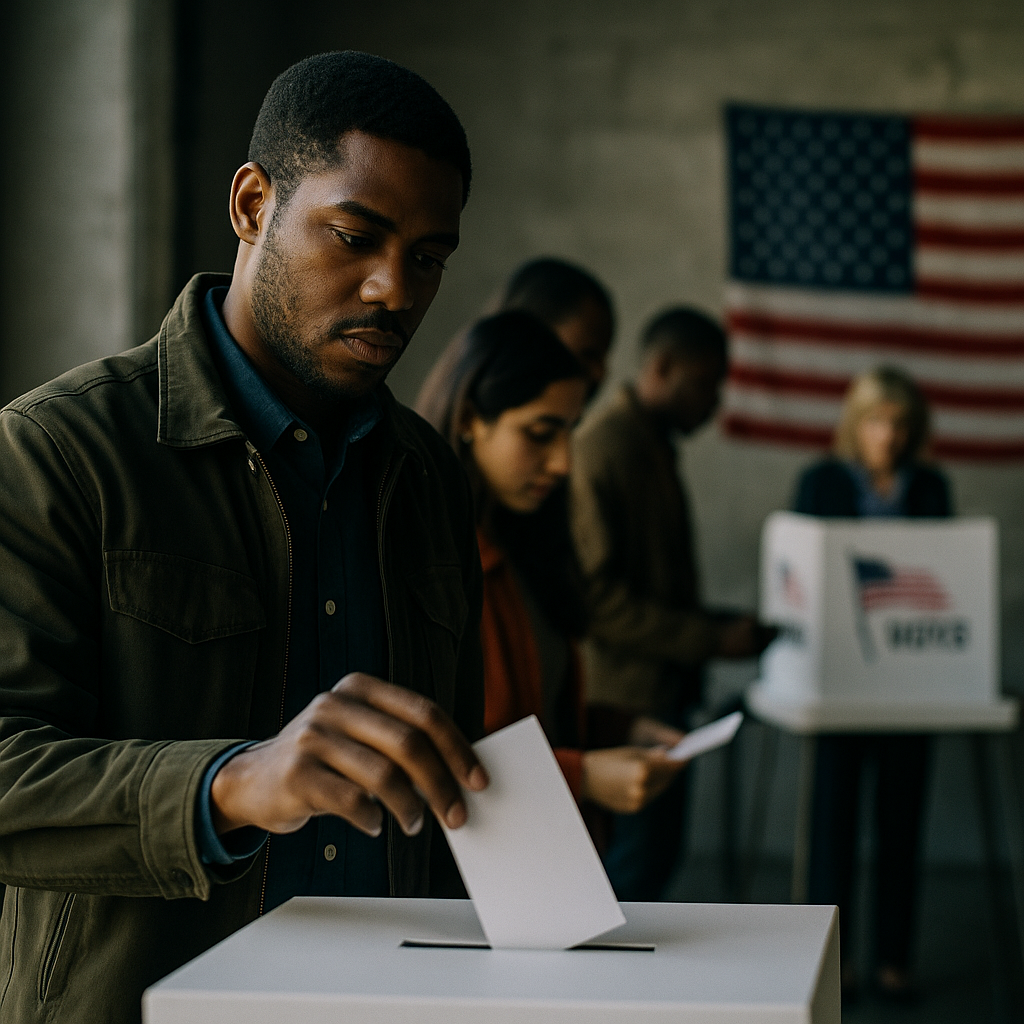
As of 2026, global voter turnout has shown varied patterns, reflecting both regional challenges and advancements in electoral processes. According to data from the International Institute for Democracy and Electoral Assistance (IDEA), the global average voter turnout was approximately 66% in 2024, a slight increase from the previous election cycles. This uptick is attributed to increased voter engagement initiatives and improvements in voting accessibility.
Regional Insights: Voter Participation Across Continents
In Europe, voter turnout has remained relatively stable. For instance, the 2024 European parliamentary elections recorded a turnout of 50.6%, according to the European Parliament's official statistics. This figure represents a minor decline from the 51% turnout in 2019, highlighting the ongoing challenge of engaging younger voters.
Meanwhile, in North America, the United States saw a significant increase in voter participation during the 2024 presidential elections. The U.S. Census Bureau reported a turnout of 66.8%, marking the highest level of participation in over a century. This surge was largely driven by mail-in voting options and extensive voter mobilization campaigns.
Challenges and Innovations in Voting Processes
Globally, the period from 2024 to 2026 has seen both advancements and hurdles in voting processes. Technological innovations, such as online voting and electronic voting machines, have been adopted in several countries to enhance efficiency and accessibility. However, these advancements come with challenges, including cybersecurity threats and the digital divide.
For example, Estonia continues to lead in digital voting, with nearly 47% of its electorate casting votes online in the 2025 elections, as reported by its National Electoral Committee. This approach has been praised for its convenience and efficiency, though it also necessitates robust security measures to protect against cyber threats.
Key Factors Influencing Voting Time and Accessibility
- Legislation: Changes in voting laws, such as the introduction of early voting and extended voting hours, have been pivotal in increasing voter turnout. The 2025 Canadian federal elections saw a 3% increase in turnout due to extended voting periods, according to Elections Canada.
- Technology: The adoption of electronic voting systems has streamlined the voting process in countries like Brazil, where electronic ballots have been used since the 1990s. In 2024, Brazil reported a 79% turnout, facilitated by its efficient voting system.
- Public Engagement: Voter education campaigns have played a crucial role in increasing awareness and participation. The 2024 Indian general elections, with a turnout of 67.4%, benefited from extensive outreach programs targeting rural and first-time voters.
The Future of Voting: Projections and Expectations
Looking ahead, the period from 2026 onwards is expected to witness further innovations in voting technology and engagement strategies. According to a report by the United Nations Development Programme (UNDP), there is a growing emphasis on enhancing voter accessibility through mobile voting applications and blockchain technology, aiming to ensure transparency and security.
Furthermore, the integration of artificial intelligence in predicting voter behavior and streamlining electoral logistics is likely to play a significant role in shaping future elections. As countries continue to adapt to these changes, the focus will remain on balancing technological advancements with the need to maintain electoral integrity and public trust.
Sources: Reuters, Government releases, publicly available data.
Comments
Post a Comment