The Role and Structure of the Election Commission of India
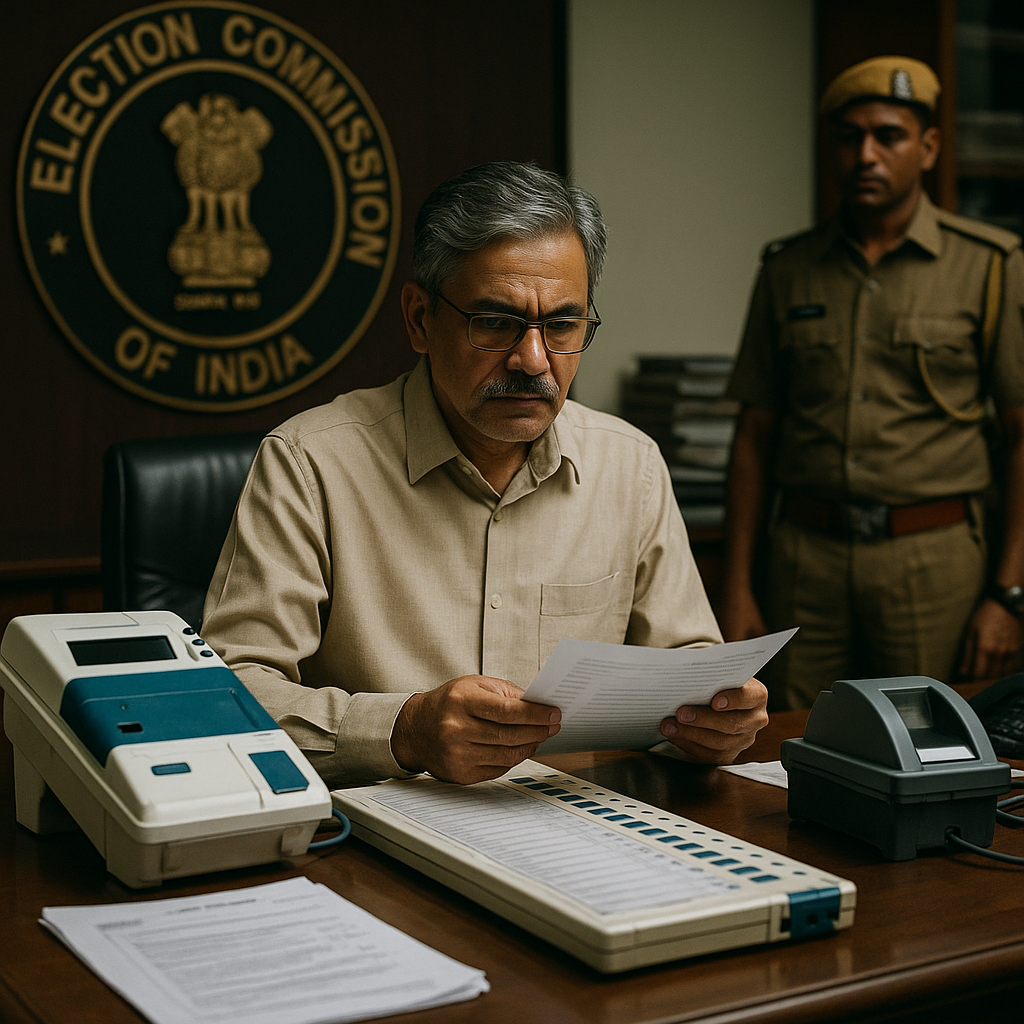
The Election Commission of India (ECI) is a constitutional authority responsible for administering election processes in India at both the national and state levels. Established on January 25, 1950, its primary purpose is to ensure free and fair elections in the country. As of 2026, the ECI is tasked with overseeing elections for the Lok Sabha, Rajya Sabha, and State Legislative Assemblies, as well as the offices of the President and Vice President of India.
Key Functions and Responsibilities
The ECI functions under Article 324 of the Indian Constitution, which grants it the power to direct, control, and conduct elections. The Commission is composed of the Chief Election Commissioner and two Election Commissioners, who are appointed by the President of India. The ECI's responsibilities include preparing and periodically updating the electoral rolls, monitoring the election expenditure of candidates, and ensuring compliance with the Model Code of Conduct.
Recent Electoral Statistics
As of 2026, the Election Commission of India is managing a voter base of approximately 950 million individuals, making it one of the largest electoral bodies in the world. In the 2024 Lok Sabha elections, the voter turnout was recorded at 67.4%, a slight increase from the 66.4% turnout in the 2019 elections (Reuters). Moreover, the number of polling stations has increased to over 1 million to accommodate the growing electorate and ensure accessibility (Government of India).
Technological Advancements in Electoral Processes
In recent years, the ECI has implemented several technological innovations to streamline election processes. As of 2026, the use of Electronic Voting Machines (EVMs) and Voter Verified Paper Audit Trail (VVPAT) systems have been expanded to enhance transparency and accuracy in vote counting. During the 2024 elections, EVMs were used in all constituencies, with over 99% of VVPAT slips matching the EVM counts, according to data released by the ECI.
Challenges and Reforms
The Election Commission faces numerous challenges, including maintaining the integrity of electoral rolls and addressing voter apathy. As of 2026, the ECI has introduced several reforms aimed at improving voter registration processes and increasing voter engagement. These include the introduction of online registration systems and awareness campaigns focused on encouraging participation among younger voters.
- Voter Base: Approximately 950 million as of 2026.
- Polling Stations: Over 1 million nationwide.
- 2024 Lok Sabha Voter Turnout: 67.4%.
- EVM and VVPAT Usage: Expanded to all constituencies.
Future Outlook
Looking ahead, the Election Commission of India is expected to continue its efforts to modernize and enhance the electoral process. The focus on incorporating technology and improving voter participation remains central to its mission. As the ECI prepares for upcoming elections in 2026, its commitment to ensuring free and fair elections remains unwavering.
Sources: Reuters, Government releases, publicly available data.
Comments
Post a Comment