Mumbai's Weather: A City of Contrasts
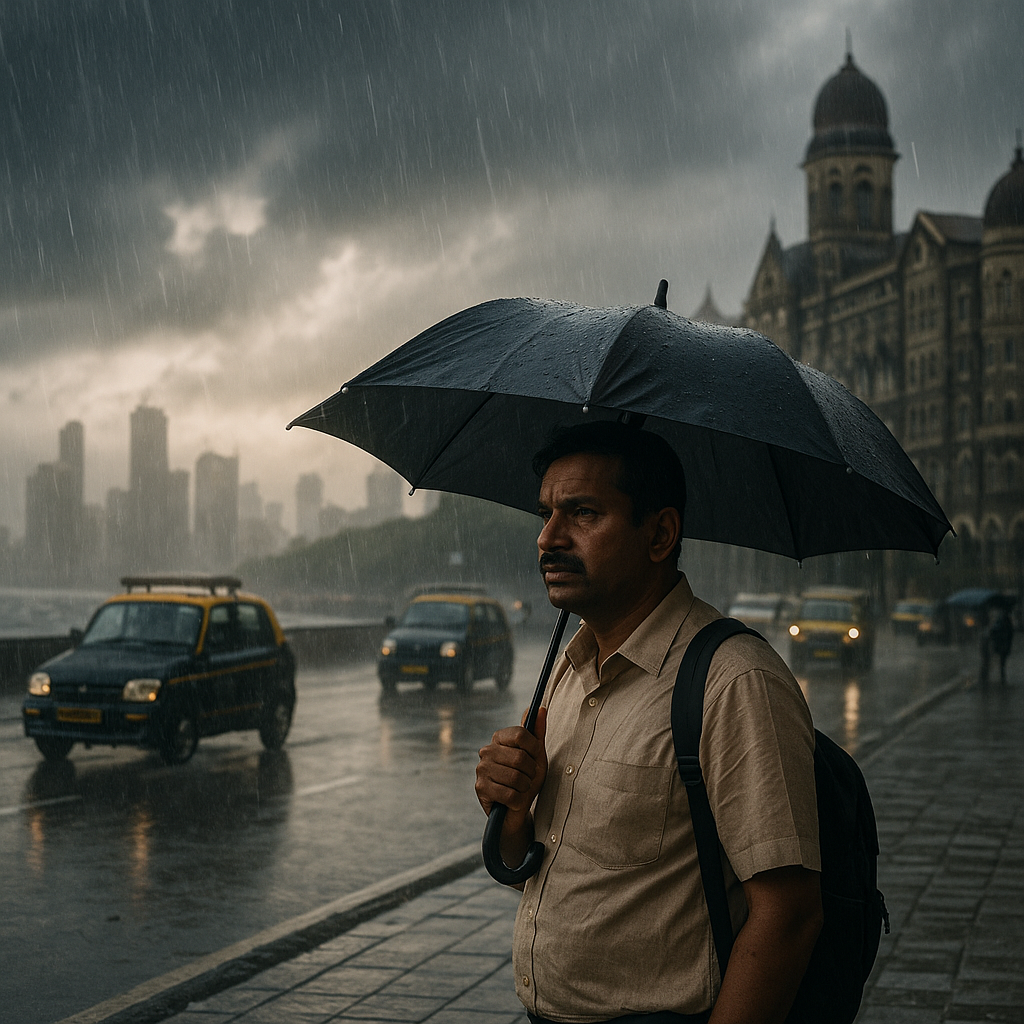
As of 2026, Mumbai, the bustling financial hub of India, continues to experience diverse and dynamic weather patterns. Characterized by its tropical climate, the city witnesses significant variations in temperature and rainfall, impacting millions of residents and the economy at large. According to the India Meteorological Department (IMD), the average annual rainfall in Mumbai was recorded at 2,514 millimeters in 2025, a slight increase from previous years, highlighting the city's susceptibility to heavy monsoons.
Monsoon Season: A Defining Feature
The monsoon season, typically spanning from June to September, is a defining feature of Mumbai's climate. In 2024, the city experienced one of its wettest monsoons, with rainfall levels reaching 2,735 millimeters, as reported by the IMD. This was a 10% increase compared to the average rainfall over the past decade. The monsoon not only replenishes water supplies but also poses challenges such as flooding and transportation disruptions.
Temperature Trends and Variations
Mumbai's temperature remains relatively stable due to its coastal location, but recent years have shown a trend of increasing temperatures. The average maximum temperature in 2025 was recorded at 32.5°C, slightly higher than the 31.8°C average of the previous decade. This rise in temperature has been attributed to urbanization and the heat island effect, where the city’s infrastructure absorbs and retains heat.
Challenges Posed by Climate Change
Climate change continues to pose significant challenges to Mumbai's weather patterns. The year 2026 saw an unusual delay in the onset of the monsoon by two weeks, leading to water shortages and impacting agricultural activities in the region. The IMD has attributed these anomalies to changing global climate patterns, which are expected to increase the frequency of extreme weather events in the future.
Impact on Daily Life and Economy
The weather in Mumbai affects various aspects of daily life and the economy. The monsoon season, while essential for agriculture, often leads to waterlogging and traffic congestion. In 2024, the city reported over 1,200 incidents of waterlogging, according to the Brihanmumbai Municipal Corporation (BMC). These incidents not only disrupt daily commutes but also have economic implications, with estimated losses of over $100 million due to delays and damages.
- Average Annual Rainfall (2025): 2,514 mm
- Wettest Monsoon Recorded (2024): 2,735 mm
- Average Maximum Temperature (2025): 32.5°C
- Waterlogging Incidents (2024): 1,200+
- Economic Losses Due to Weather (2024): $100 million
Future Outlook and Adaptation Strategies
As Mumbai continues to grapple with the challenges of its weather, adaptation strategies are being implemented to mitigate the impact. The city's authorities are investing in improved drainage systems and infrastructure to better handle heavy rainfall and prevent flooding. Additionally, initiatives to enhance green cover and reduce urban heat are in progress, aiming to counteract the effects of rising temperatures.
With the city's population expected to grow, these measures are crucial in ensuring that Mumbai remains resilient in the face of changing weather patterns. The IMD and other agencies continue to monitor and provide forecasts to help the city prepare for future weather events.
Sources: Reuters, Government releases, publicly available data.
Comments
Post a Comment