Introduction to 5G Technology
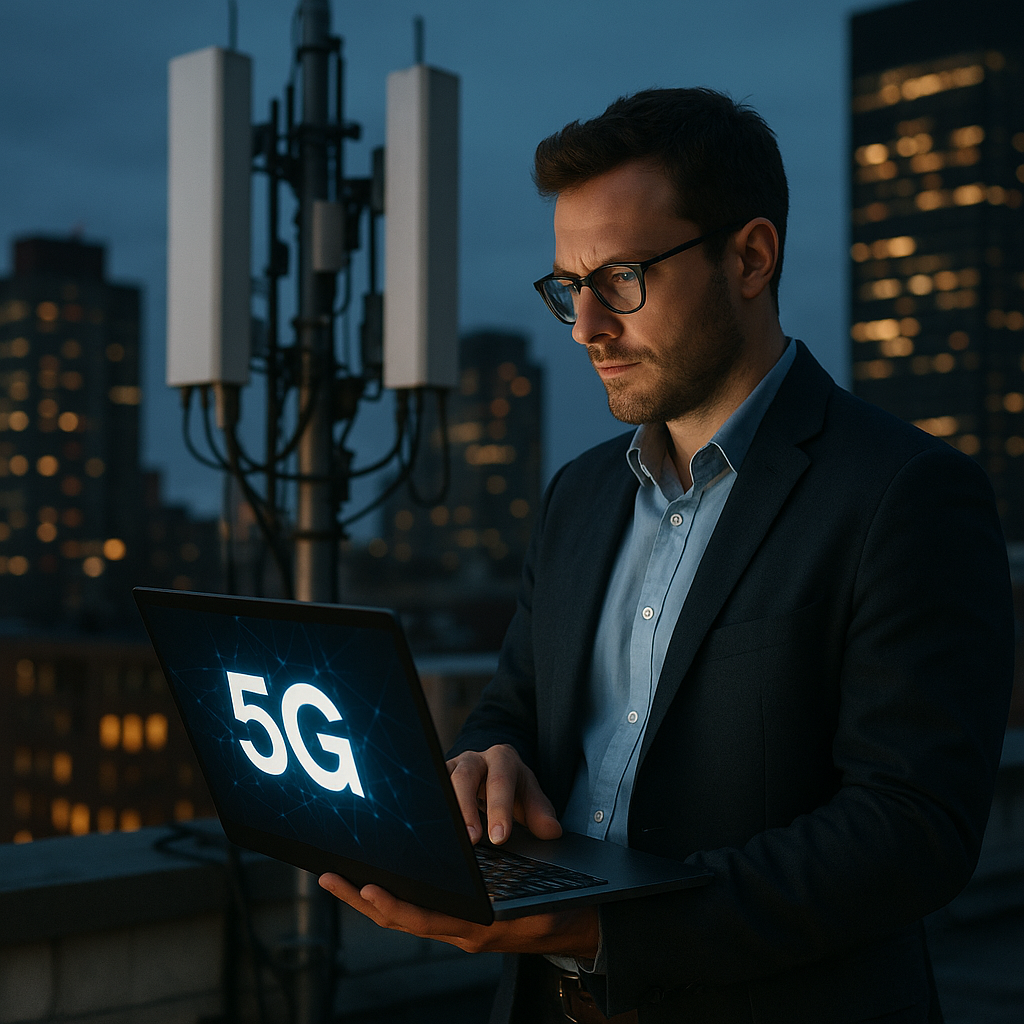
As of 2026, the global adoption of 5G technology is transforming telecommunications, with over 1.5 billion devices connected worldwide, according to data from the International Telecommunication Union (ITU). This represents a significant leap from the 1 billion connections reported in 2024, illustrating the rapid expansion and integration of 5G networks across the globe.
5G Network Expansion
By 2025, the number of countries with commercial 5G services had reached 100, as reported by the Global Mobile Suppliers Association (GSA). This expansion is driven by the increasing demand for faster internet speeds and more reliable connectivity. The GSA further noted that by 2026, over 200 operators are expected to offer 5G services, a substantial increase from the 140 operators in 2024.
Economic Impact of 5G
The economic implications of 5G are profound. A study by the World Economic Forum in 2025 projected that 5G technology could add $1.3 trillion to global GDP by 2030. This growth is attributed to advancements in Internet of Things (IoT) applications, enhanced mobile broadband, and ultra-reliable low-latency communications. The deployment of 5G networks is expected to create millions of jobs, particularly in sectors like manufacturing, healthcare, and transportation.
Technological Advancements
5G technology is not just about faster internet speeds; it is also about enabling new technologies. As of 2026, 5G is facilitating the development of autonomous vehicles, smart cities, and advanced robotics. The technology's low latency and high reliability are crucial for these applications, allowing for real-time data exchange and processing.
- Autonomous Vehicles: 5G networks provide the necessary infrastructure for vehicle-to-everything (V2X) communication, essential for the safe operation of autonomous cars.
- Smart Cities: With 5G, cities can implement smart grid technologies, traffic management systems, and public safety networks, enhancing urban living.
- Advanced Robotics: In manufacturing, 5G enables real-time control and monitoring of robotic systems, increasing efficiency and productivity.
Challenges and Concerns
Despite its advantages, 5G technology faces several challenges. Spectrum allocation remains a critical issue, with many countries struggling to free up necessary bandwidths for 5G deployment. Furthermore, cybersecurity concerns are paramount, as 5G networks carry more data and are more complex than previous generations. According to a report by the European Union Agency for Cybersecurity (ENISA) in 2025, the increased attack surface of 5G networks necessitates robust security measures to protect against potential threats.
Future Outlook
Looking ahead, the future of 5G appears promising. As of 2026, ongoing research and development efforts are focusing on 6G technologies, which aim to further enhance connectivity with even faster speeds and lower latency. The ITU anticipates that 6G could be commercially available by 2030, potentially revolutionizing communication and data exchange once again.
Sources: Reuters, Government releases, publicly available data.
Comments
Post a Comment