
The Quiet Revolution of LPG Gas Cylinders
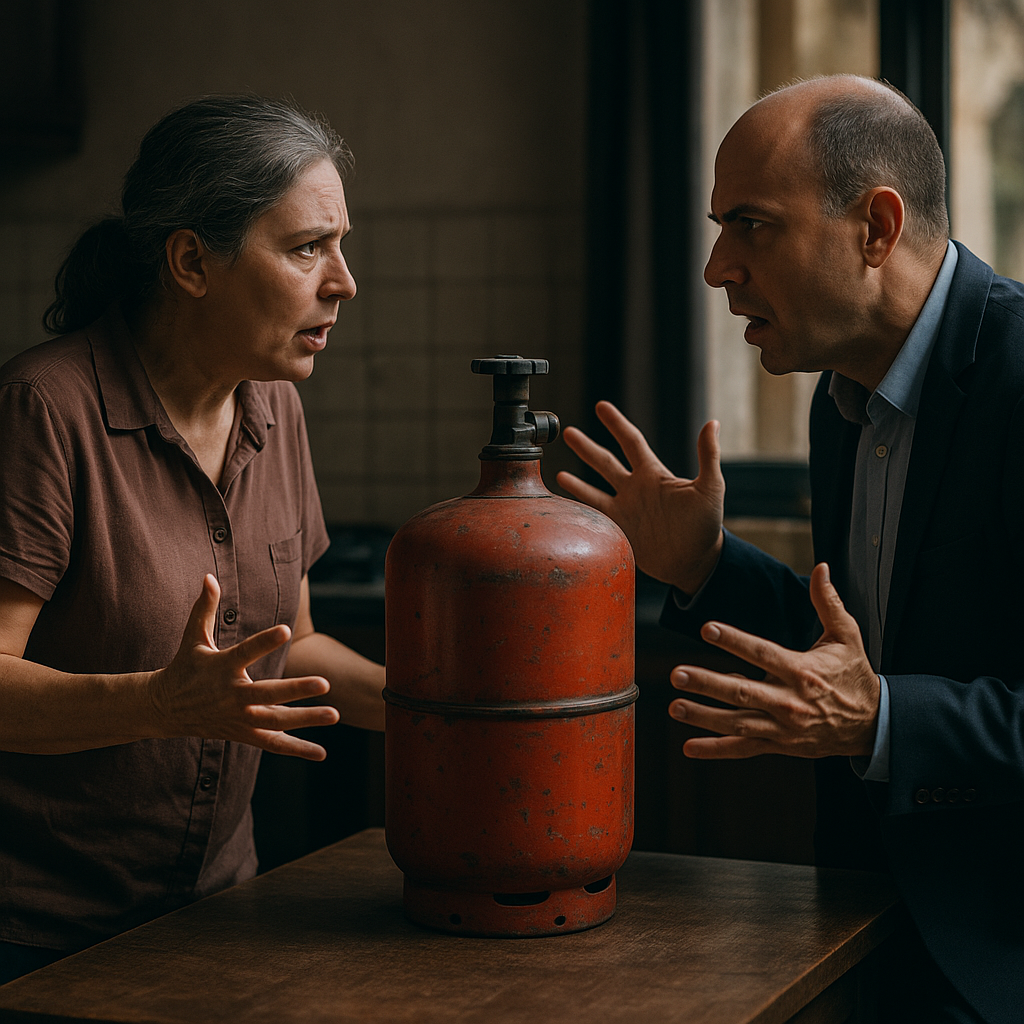
Imagine this: a product that changed the daily life of nearly 3 billion people. That's the staggering impact of Liquefied Petroleum Gas (LPG) cylinders. Once perceived as a luxury, LPG has seamlessly woven itself into the fabric of modern domestic life. Yet, beneath the polished surface of convenience, lies a tangle of controversy and debate that ignites fiery discussions in households and boardrooms alike.
The Numbers Game: LPG In Our Daily Lives
Over the last two years, LPG has seen an unprecedented surge in demand. As of 2023, over 80% of Indian households rely on LPG for cooking, a staggering leap from the 56% reported just a decade ago. Globally, the LPG market is forecasted to reach USD 291.42 billion by 2030, up from USD 150 billion in 2020. These numbers paint a picture of a world rapidly shifting its energy dependency, but are we really prepared for such a shift?
In a dramatic move, the Indian government announced a subsidy rollback in 2022, which led to an immediate 12% hike in LPG prices. This decision sparked protests across various states and reignited debates over energy affordability versus sustainability.
The Good, The Bad, and The Controversial
LPG cylinders, hailed as a cleaner alternative to traditional wood and coal, offer several benefits:
- Efficiency: LPG is known for its high calorific value, leading to quicker cooking times.
- Portability: The cylinders are easily transportable, making them ideal for urban and rural settings.
- Reduced Indoor Pollution: Compared to biomass, LPG drastically cuts down indoor air pollution.
But here's the rub: the environmental impact of LPG is not as rosy as it appears. Unchecked usage of LPG contributes to greenhouse gas emissions. Although less than coal or wood, methane leaks during production and distribution present a significant environmental threat.
A Modern Dilemma: LPG vs. Renewable Energy
As we steamroll into a future dictated by climate policies and sustainable development goals, the place of LPG is increasingly under scrutiny. While renewable energies like solar and wind are growing at an electrifying pace, they aren't without their own set of issues, primarily storage and consistent supply. This makes LPG a tempting, if temporary, bridge in the transition to green energy.
However, the real head-scratcher is this: should we pour more investments into something that's destined to become obsolete? It's like putting money into VHS tapes just as DVDs are about to take over. Some experts argue that continuous reliance on LPG will only delay the inevitable shift to renewable sources.
Real-World Impacts and Policy Shifts
In the real world, policies are swiftly shifting to address these concerns. The European Union, for instance, has slated a 40% reduction in LPG usage by 2030 as part of its 'Fit for 55' climate package. Similarly, countries like Japan are aggressively transitioning towards hydrogen-powered systems. These strategies signify a departure from traditional LPG dependency.
India, with its burgeoning population and growing middle-class economy, faces a contrasting challenge. The government's 'Pradhan Mantri Ujjwala Yojana' aims to provide subsidized LPG connections to rural communities, effectively reducing dependency on harmful biomass. But can such subsidies continue indefinitely as global prices soar? It's a classic tug-of-war scenario between providing immediate relief and planning for a sustainable future.
The Bottom Line: Is LPG a Boon or a Bane?
Ultimately, the debate over LPG cylinders is a microcosm of the larger energy conundrum facing humanity. Are we trading short-term convenience for long-term sustainability issues? It's like choosing to eat fast food every day for its taste while ignoring the health implications. As we stand at this energy crossroads, the decisions we make today will ripple through future generations. It's worth pondering—are LPG gas cylinders truly the answer, or simply a temporary pause in our journey toward cleaner energy?


0 Comments