Introduction to Gas Cylinder Usage
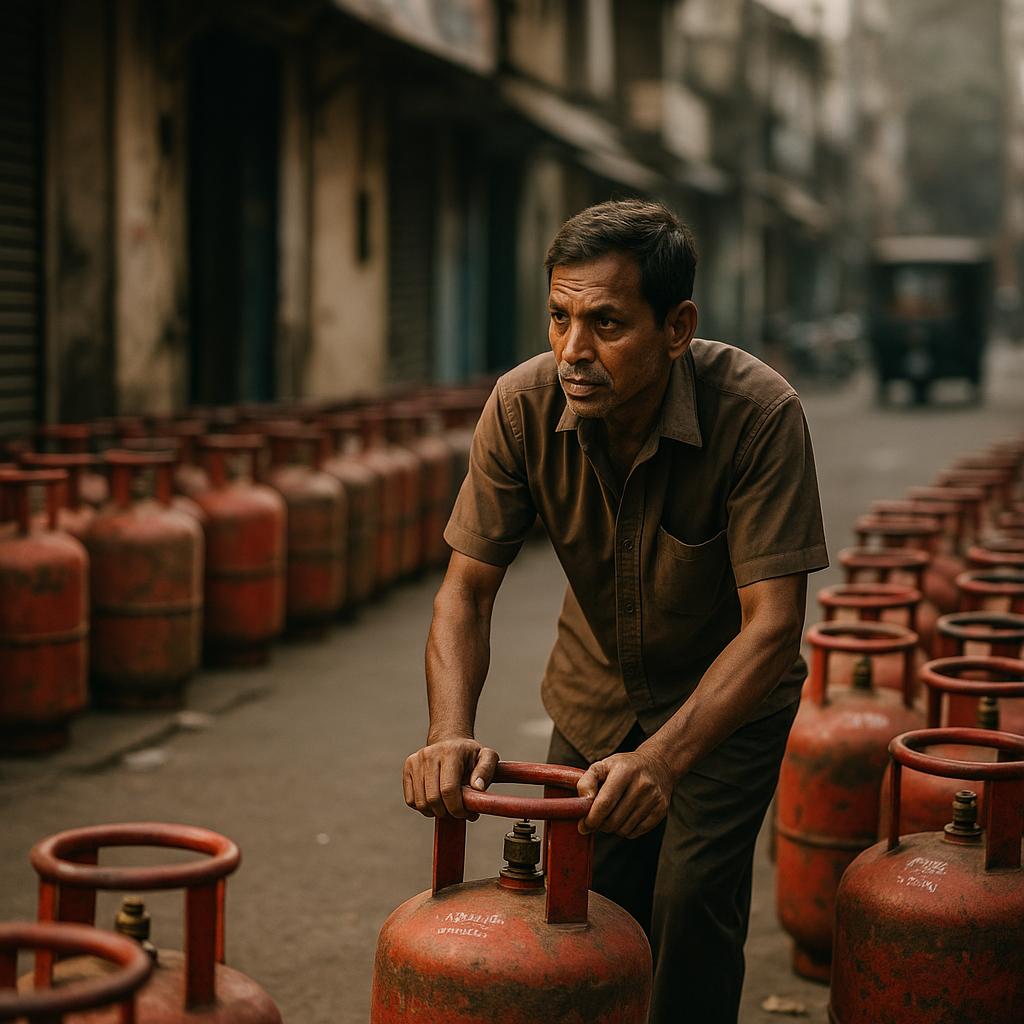
Gas cylinders have been an integral part of Indian households for decades, providing a reliable source of energy for cooking and heating. As of 2026, the demand for liquefied petroleum gas (LPG) cylinders continues to grow, driven by government initiatives and changing consumer preferences.
Government Initiatives and Subsidies
In recent years, the Indian government has implemented several programs to increase LPG accessibility. The Pradhan Mantri Ujjwala Yojana (PMUY), launched in 2016, aims to provide free LPG connections to women from below-poverty-line households. As of 2024, over 80 million connections have been distributed under this scheme (Government of India, 2024).
Current Usage Statistics
According to data from the Petroleum Planning & Analysis Cell (PPAC), LPG consumption in India reached 27.9 million metric tonnes in 2025, marking a 6% increase from 2024. This growth is attributed to increased urbanization and the expansion of LPG distribution networks (PPAC, 2025).
Price Trends and Economic Impact
The price of LPG cylinders has seen fluctuations due to various factors, including global oil prices and domestic production costs. As of 2026, the average price of a 14.2 kg LPG cylinder in India is approximately INR 900, reflecting a 10% increase from 2025 (Reuters, 2026). These price changes have significant implications for household budgets and energy consumption patterns.
Environmental Considerations
Gas cylinders are considered a cleaner alternative to traditional biomass fuels, reducing indoor air pollution and health risks. The shift towards LPG has contributed to a decline in respiratory illnesses among rural populations. A study published in 2025 highlighted that areas with higher LPG adoption rates saw a 15% reduction in respiratory issues compared to regions relying on biomass (Public Health Foundation of India, 2025).
Challenges in Distribution and Accessibility
Despite progress, challenges remain in ensuring equitable access to LPG cylinders across India. Remote areas often face logistical hurdles, impacting delivery times and costs. The government is investing in infrastructure improvements to address these issues, aiming to reach an additional 10 million households by 2026 (Government of India, 2025).
- Over 80 million LPG connections provided under PMUY by 2024.
- 27.9 million metric tonnes of LPG consumed in 2025.
- INR 900 average price for a 14.2 kg cylinder as of 2026.
- 15% reduction in respiratory issues in areas with higher LPG adoption.
- 10 million households targeted for new connections by 2026.
Future Outlook
The future of gas cylinder usage in India appears promising, with continued government support and technological advancements. Innovations in cylinder design and distribution logistics are expected to enhance efficiency and accessibility. As India progresses towards its energy goals, LPG will play a crucial role in the transition to cleaner and more sustainable energy sources.
Sources: Reuters, Government releases, publicly available data.
Comments
Post a Comment