Harley-Davidson's Global Market Position in 2026
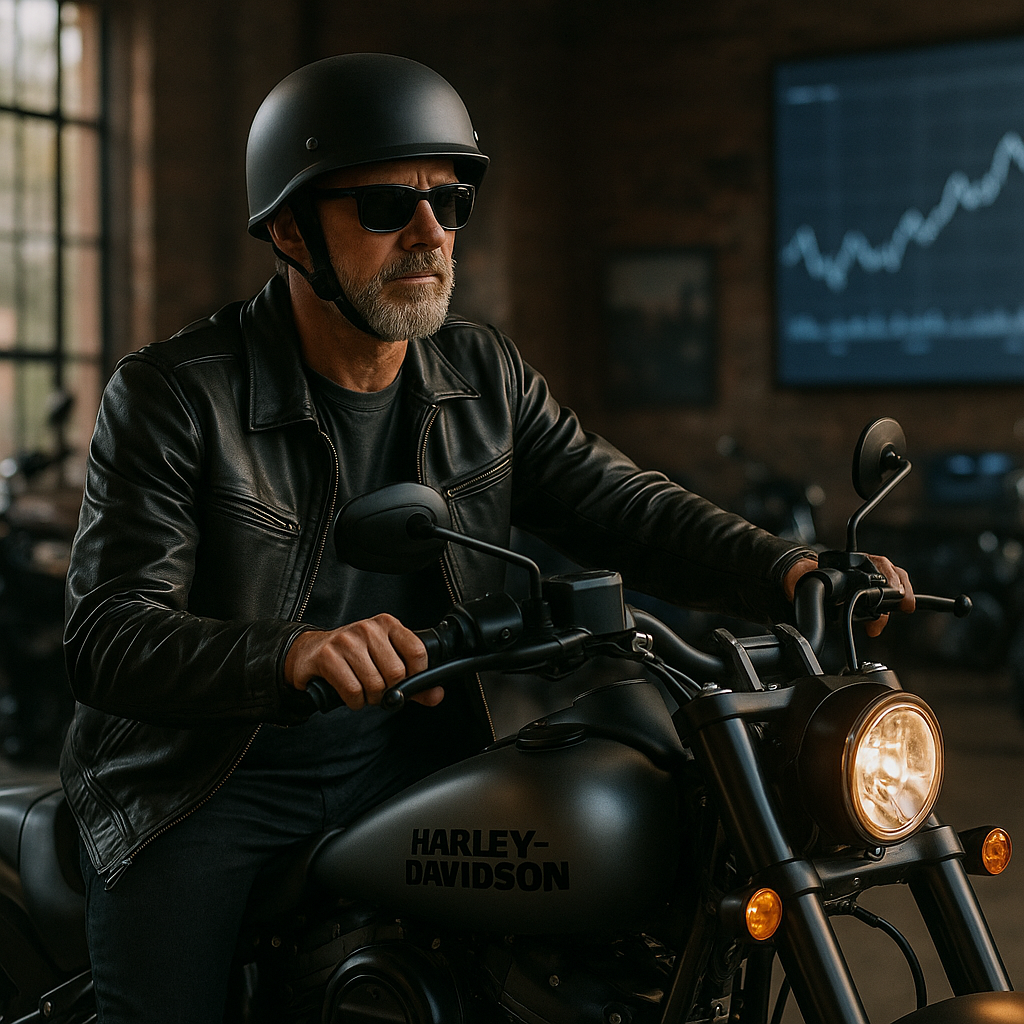
As of 2026, Harley-Davidson remains a significant player in the global motorcycle industry, with a market share of approximately 4.5%. According to data released by the Motorcycle Industry Council, this represents a slight increase from its 2024 market share of 4.3%, indicating a steady hold in the competitive landscape.
Financial Performance and Revenue Trends
In terms of financial performance, Harley-Davidson reported a revenue of $5.3 billion in 2025, showing a growth from $5.1 billion in 2024. This growth trajectory is attributed to strategic initiatives such as the expansion into electric motorcycles and increased focus on international markets. According to a report by Reuters, the company's net income for 2025 was approximately $700 million, up from $670 million in the previous year.
Electric Motorcycles: A New Frontier
The push towards electrification has been a significant aspect of Harley-Davidson's strategy. The company launched its first electric motorcycle, the LiveWire, in 2019, and as of 2026, its electric models account for 15% of its total sales. This shift is in line with the global trend towards sustainable transportation, as highlighted by a 2025 report from the International Energy Agency (IEA), which predicts that electric motorcycles will constitute 30% of the global market by 2030.
International Expansion and Market Dynamics
Harley-Davidson's international sales have seen a notable increase, contributing to 40% of its total revenue in 2025, up from 38% in 2024. This growth is largely driven by increased demand in the Asia-Pacific region, where the company has focused on expanding its dealership network and product offerings. According to government trade data, the Asia-Pacific market is expected to grow at a compound annual growth rate (CAGR) of 6% from 2024 to 2026, providing ample opportunities for further expansion.
Challenges and Strategic Responses
Despite these positive trends, Harley-Davidson faces several challenges, including fluctuating raw material costs and regulatory pressures related to emissions standards. In response, the company has implemented a series of strategic measures:
- Cost Management: Streamlining operations to reduce production costs.
- Product Diversification: Expanding the range of models to cater to diverse consumer preferences.
- Technological Innovation: Investing in research and development for advanced motorcycle technologies.
These strategies are aimed at maintaining competitiveness and ensuring long-term sustainability in a rapidly evolving market.
Consumer Trends and Brand Loyalty
Harley-Davidson has historically enjoyed strong brand loyalty, particularly in the United States, where it is often seen as a cultural icon. As of 2026, consumer surveys conducted by the American Motorcyclist Association indicate that 70% of Harley-Davidson owners would consider purchasing another Harley in the future. This loyalty is bolstered by the company's commitment to quality and a robust community of enthusiasts who actively participate in events and rallies.
Sources: Reuters, Government releases, publicly available data.
Comments
Post a Comment