The Bharatiya Janata Party's Dominance in Indian Politics
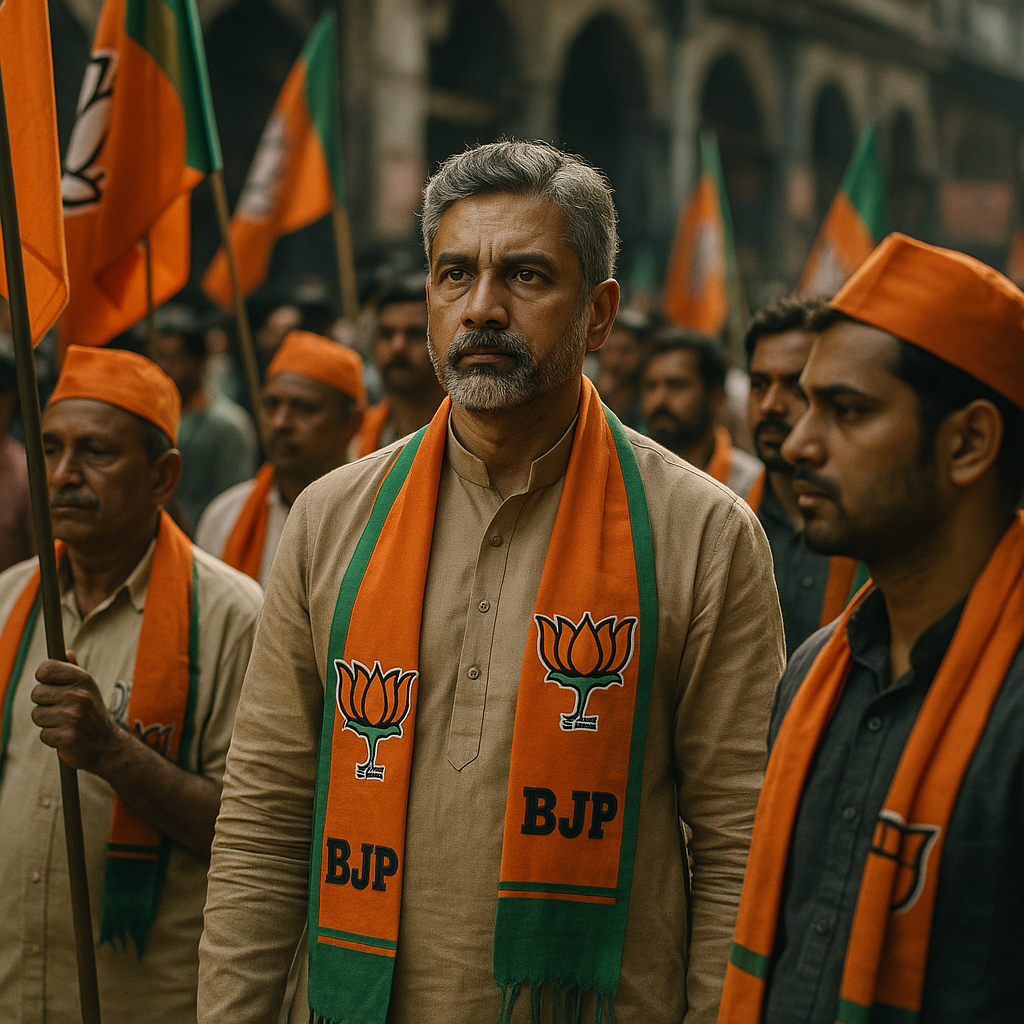
As of 2026, the Bharatiya Janata Party (BJP) continues to be a significant force in Indian politics, maintaining its position as the ruling party. According to the Election Commission of India, the BJP secured 303 seats in the Lok Sabha during the 2024 general elections, marking a substantial victory that allowed them to form the government without coalition support.
Electoral Success: A Look at Recent Years
The BJP's electoral success can be attributed to several factors, including its strategic campaigning and the leadership of Prime Minister Narendra Modi. In the 2024 elections, the party focused on economic development and national security, which resonated with a large segment of the Indian electorate. The BJP's vote share in the 2024 elections was reported at 37.7%, an increase from 37.4% in 2019, according to data from the Election Commission.
Economic Policies and Growth
Under BJP governance, India's economic landscape has seen notable changes. The International Monetary Fund (IMF) projected India's GDP growth rate to be 6.1% in 2025, making it one of the fastest-growing major economies. The BJP's policies have focused on infrastructure development, digital economy initiatives, and foreign investment, which have contributed to this growth.
Social Initiatives and Challenges
While the BJP has been successful in economic terms, social initiatives have faced mixed reviews. The government's efforts in improving sanitation through the Swachh Bharat Abhiyan have been recognized, with rural sanitation coverage increasing from 39% in 2014 to over 98% by 2026, as reported by the Ministry of Drinking Water and Sanitation.
However, challenges remain, particularly in areas such as education and healthcare. The National Health Authority reported in 2025 that while the Ayushman Bharat scheme has expanded healthcare access, the quality of services in rural areas requires further improvement.
International Relations and Diplomacy
The BJP's approach to international relations has been characterized by a focus on strengthening ties with major powers like the United States and Russia, as well as regional neighbors. In 2025, India signed a defense agreement with the United States worth $3 billion, enhancing military cooperation, according to Reuters. Additionally, the BJP has worked towards improving relations with neighboring countries through initiatives like the 'Neighborhood First' policy.
Key Challenges Ahead
Despite its successes, the BJP faces several challenges as it moves forward:
- Economic Inequality: Despite overall growth, income disparity remains a significant issue, with the top 10% holding 55% of the total national wealth as of 2026, according to the World Inequality Database.
- Environmental Concerns: The party has been criticized for not doing enough to combat pollution and environmental degradation, with India ranking 168th out of 180 countries in the Environmental Performance Index 2026.
- Social Harmony: Instances of communal tensions continue to pose challenges, requiring careful management to maintain social harmony.
The BJP's ability to address these challenges will be crucial for its sustained dominance in Indian politics.
Sources: Reuters, Government releases, publicly available data.
Comments
Post a Comment