Energy Crisis in Punjab: A Persistent Challenge
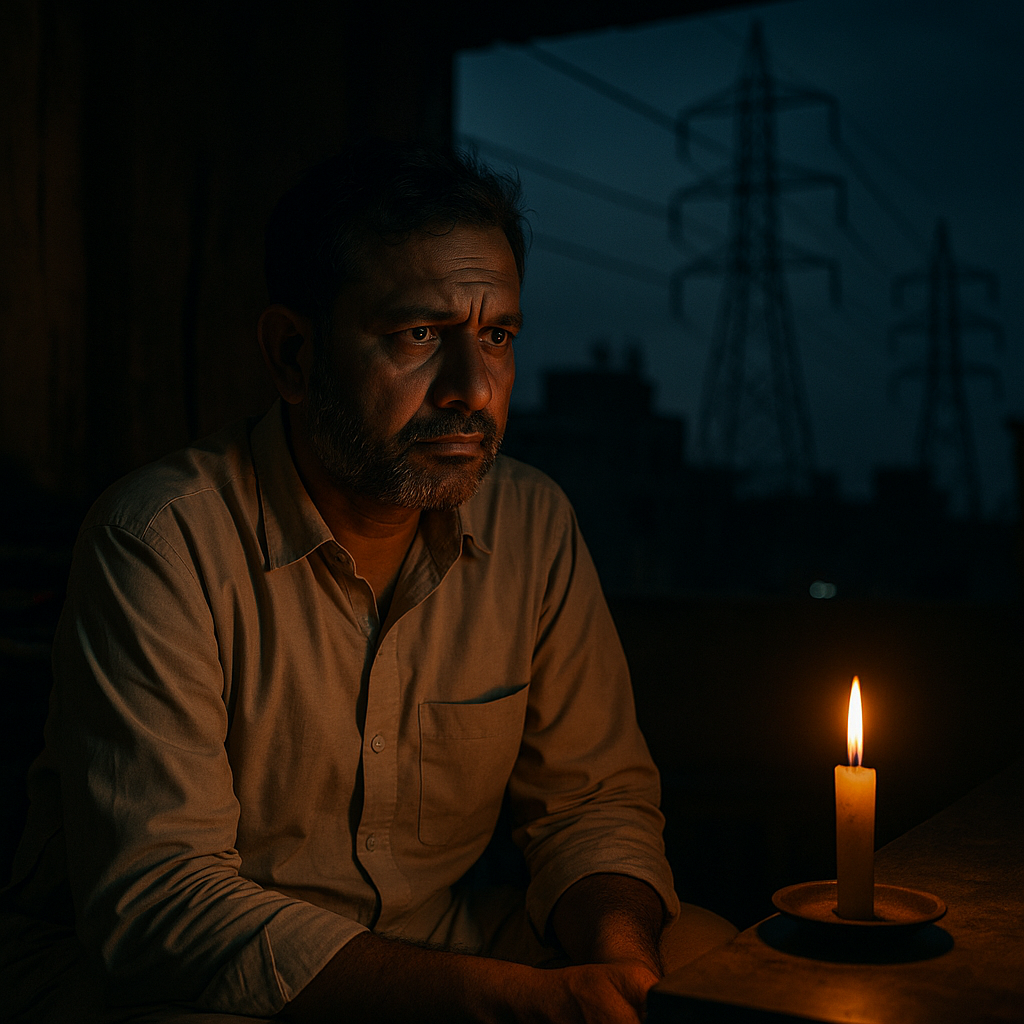
As of 2026, Punjab is grappling with severe power shortages, leading to prolonged blackouts across the state. According to the Punjab State Power Corporation Limited (PSPCL), the region has experienced an average of 8 hours of daily power cuts in major cities, including Ludhiana and Amritsar. This marks a significant increase from the previous year when the average was closer to 4 hours.
Impact on Industries and Agriculture
The energy crisis has had a profound impact on Punjab's industries and agriculture, which are heavily reliant on consistent power supply. As reported by Reuters in March 2026, the textile industry, a major economic driver in the state, has seen a 15% reduction in production due to the power outages. This decline is attributed to the inability of factories to operate machinery efficiently during blackouts.
Moreover, Punjab's agricultural sector, which contributes significantly to India's food supply, is facing challenges due to the unreliable electricity needed for irrigation systems. The Ministry of Agriculture reported a 10% drop in crop yields for 2025, linking it directly to the erratic power supply.
Government Response and Measures
The Punjab government has acknowledged the severity of the situation and has initiated several measures to address the crisis. In a 2026 press release, the state's Energy Minister announced a plan to invest INR 500 crore in renewable energy projects, aiming to increase the state's solar power capacity by 20% over the next two years. This move is part of a broader strategy to reduce dependency on traditional power sources.
- Renewable Energy Investment: INR 500 crore allocated for solar projects.
- Infrastructure Upgrades: Plans to modernize aging power grids.
- Energy Conservation Campaigns: Public initiatives to reduce consumption.
- Collaboration with Private Sector: Partnerships to enhance energy efficiency.
Challenges in Implementation
Despite these efforts, the path to resolving Punjab's energy crisis is fraught with challenges. The state's power infrastructure is outdated, with many transmission lines requiring urgent upgrades. According to a 2025 report by the Central Electricity Authority, over 40% of Punjab's power grid infrastructure is more than 30 years old, leading to frequent breakdowns and inefficiencies.
Furthermore, the financial constraints faced by the state government pose significant hurdles in the implementation of large-scale energy projects. The fiscal deficit for Punjab in 2025 was reported at INR 12,000 crore, limiting the government's ability to fund necessary upgrades and initiatives.
Future Outlook
Looking ahead, the resolution of Punjab's energy crisis will require sustained efforts and collaboration between government agencies, private sector stakeholders, and the community. As of 2026, the focus remains on diversifying energy sources and improving infrastructure resilience. The state's commitment to renewable energy offers a promising avenue for long-term stability, but the immediate challenges necessitate urgent attention and action.
Sources: Reuters, Government releases, publicly available data.
Comments
Post a Comment