Introduction to Haridwar
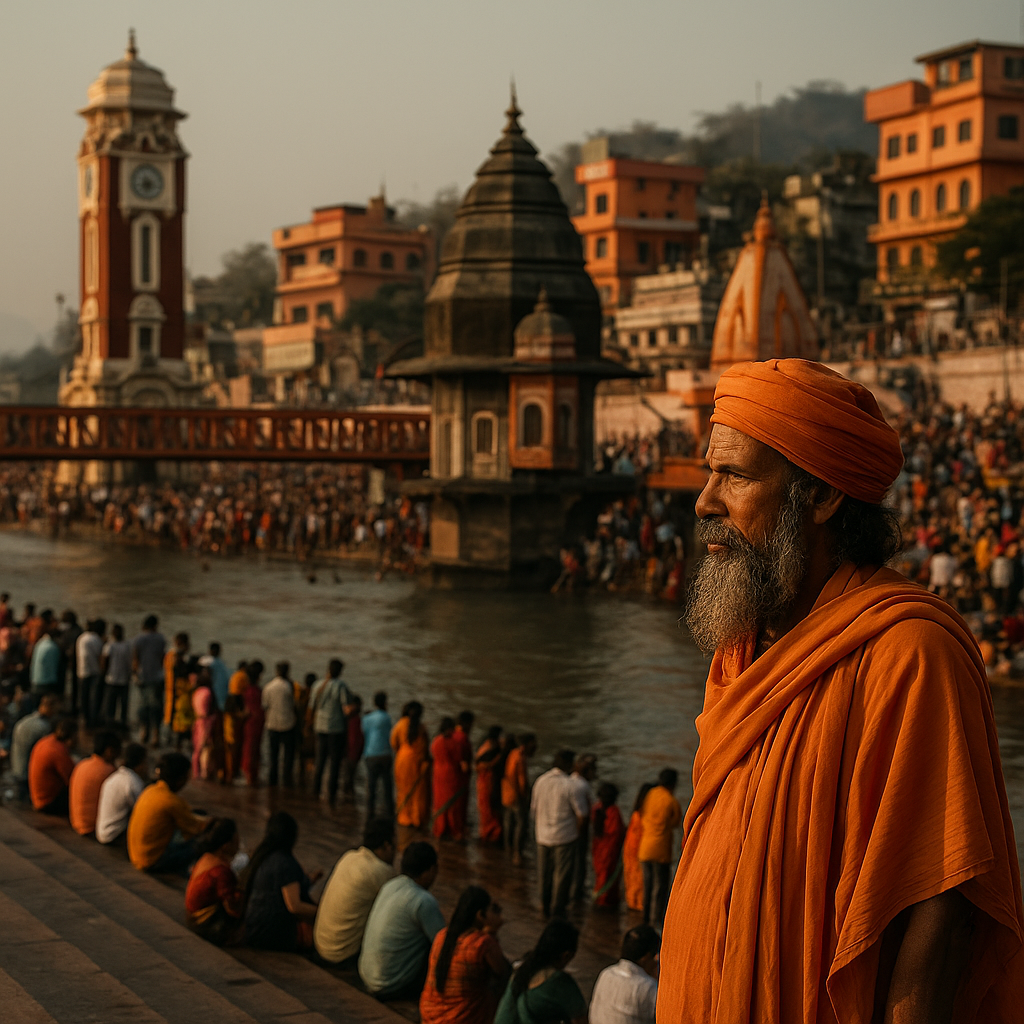
Haridwar, a city located in the northern Indian state of Uttarakhand, is renowned for its spiritual significance and as a gateway to the sacred River Ganges. As of 2026, Haridwar continues to be a focal point for millions of pilgrims and tourists who visit the city to partake in religious rituals and witness the famous Ganga Aarti at Har Ki Pauri.
Demographics and Population Growth
As of 2026, Haridwar has a population of approximately 310,000 residents, according to the latest census data released by the Government of India. This marks a significant increase from the 2011 census, where the population was recorded at about 228,000. The growth rate reflects the city's expanding infrastructure and its increasing importance as a religious and tourist hub.
Economic Developments in Haridwar
Haridwar's economy has seen substantial growth over the past few years, driven by both tourism and industrial development. As of 2025, the city hosts several industrial estates, including the State Infrastructure and Industrial Development Corporation of Uttarakhand Limited (SIIDCUL), which houses over 500 manufacturing units. This industrial expansion has contributed to a 15% increase in employment opportunities from 2024 to 2026, according to government employment data.
Tourism Statistics
Tourism remains a cornerstone of Haridwar's economy. In 2025, the city welcomed over 20 million visitors, a 10% increase from the previous year, as reported by the Uttarakhand Tourism Development Board. This influx is attributed to various factors, including improved transportation links and the promotion of spiritual tourism.
Infrastructure Developments
Recent infrastructure developments have played a crucial role in supporting Haridwar's growth. As of 2026, the city has seen enhancements in road connectivity and public transport systems. The completion of the Delhi-Haridwar Expressway has reduced travel time from the capital to Haridwar by approximately 30%, making it more accessible to tourists and pilgrims.
Environmental Initiatives
Haridwar has also been at the forefront of environmental conservation efforts, particularly concerning the River Ganges. The Namami Gange Programme, initiated in 2014, continues to be a pivotal project aimed at cleaning and preserving the river. As of 2025, the programme has successfully reduced pollution levels in the river by 25%, according to data from the Ministry of Water Resources.
Challenges and Future Prospects
Despite these advancements, Haridwar faces challenges such as managing the environmental impact of increased tourism and industrial activity. The city is working on sustainable development strategies to balance economic growth with ecological preservation. Key initiatives include:
- Implementing stricter pollution control measures for industries.
- Promoting eco-friendly tourism practices.
- Enhancing waste management systems.
- Expanding green spaces within urban areas.
Looking ahead, Haridwar's strategic location and cultural significance position it as a vital player in Uttarakhand's development plans. Continued investment in infrastructure and environmental conservation will be essential to sustaining its growth trajectory.
Sources: Reuters, Government releases, publicly available data.
Comments
Post a Comment