Gold and Silver Prices: A Detailed Analysis from 2024 to 2026
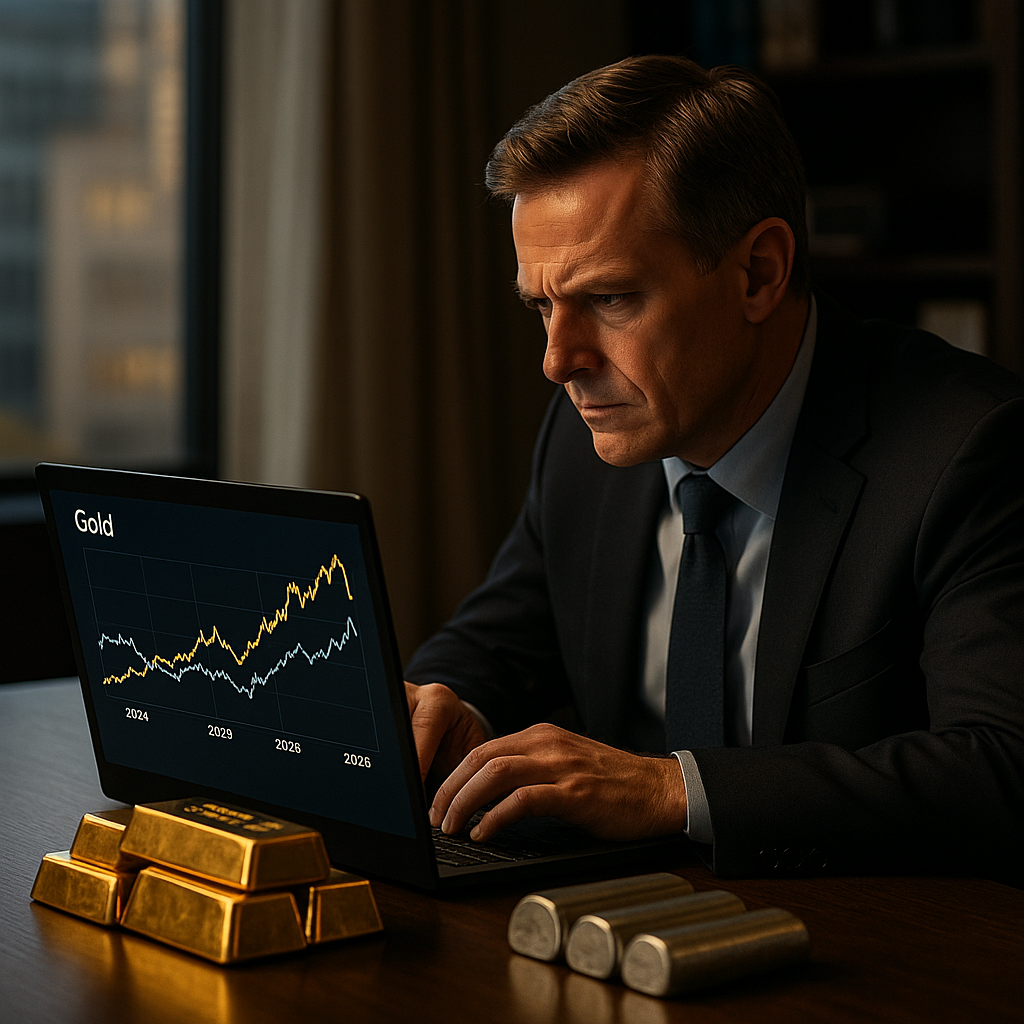
As of 2026, the global market for precious metals continues to experience significant fluctuations, with gold and silver prices being influenced by a myriad of economic factors. According to data from Reuters, gold prices have seen a steady increase over the past two years, while silver has experienced more volatility.
Gold Prices from 2024 to 2026
In 2024, the price of gold averaged around $1,800 per ounce. This was largely attributed to the ongoing economic recovery following the COVID-19 pandemic, which had caused significant disruptions in global markets. By 2025, gold prices had risen to approximately $1,920 per ounce, as reported by the World Gold Council. This increase was driven by heightened geopolitical tensions and inflationary pressures in major economies.
As of 2026, gold prices have maintained an upward trajectory, reaching an average of $2,050 per ounce. The demand for gold has been bolstered by central banks increasing their reserves. For instance, the People's Bank of China added over 100 tonnes of gold to its reserves between 2024 and 2026, according to official government data.
Silver Prices: A Volatile Journey
Silver, on the other hand, has experienced more volatility. In 2024, the average price of silver was around $25 per ounce. However, by 2025, silver prices had dropped to $23 per ounce, influenced by a decrease in industrial demand and increased supply from mining operations, as noted by the Silver Institute.
By 2026, silver prices had rebounded to $27 per ounce. This recovery was fueled by a resurgence in industrial demand, particularly in the electronics and solar panel industries, which heavily rely on silver for their manufacturing processes.
Factors Influencing Precious Metal Prices
Several key factors have influenced the prices of gold and silver between 2024 and 2026:
- Geopolitical Tensions: Ongoing conflicts and political instability in regions such as Eastern Europe and the Middle East have led investors to seek safe-haven assets like gold.
- Inflation Rates: Rising inflation in major economies, including the United States and the European Union, has increased the demand for gold as a hedge against currency devaluation.
- Central Bank Policies: Central banks' decisions to either increase or decrease their gold reserves have had a direct impact on gold prices.
- Industrial Demand: The demand for silver in industrial applications, particularly in technology and renewable energy sectors, has been a significant driver of its price.
Outlook for 2026 and Beyond
Looking forward, the outlook for gold and silver prices remains uncertain, with several factors potentially influencing future trends. Analysts from Goldman Sachs predict that if current geopolitical tensions persist and inflation continues to rise, gold prices could surpass $2,100 per ounce by the end of 2026. On the other hand, silver prices are expected to remain volatile, with potential fluctuations driven by changes in industrial demand and mining output.
As of 2026, the global economic landscape is still adapting to the post-pandemic era, with precious metals continuing to play a crucial role in investment portfolios. Investors and market analysts will need to closely monitor economic indicators and geopolitical developments to navigate the complexities of the precious metals market effectively.
Sources: Reuters, Government releases, publicly available data.
Comments
Post a Comment