Flight Cancellations and Delays: Current Trends and Statistics
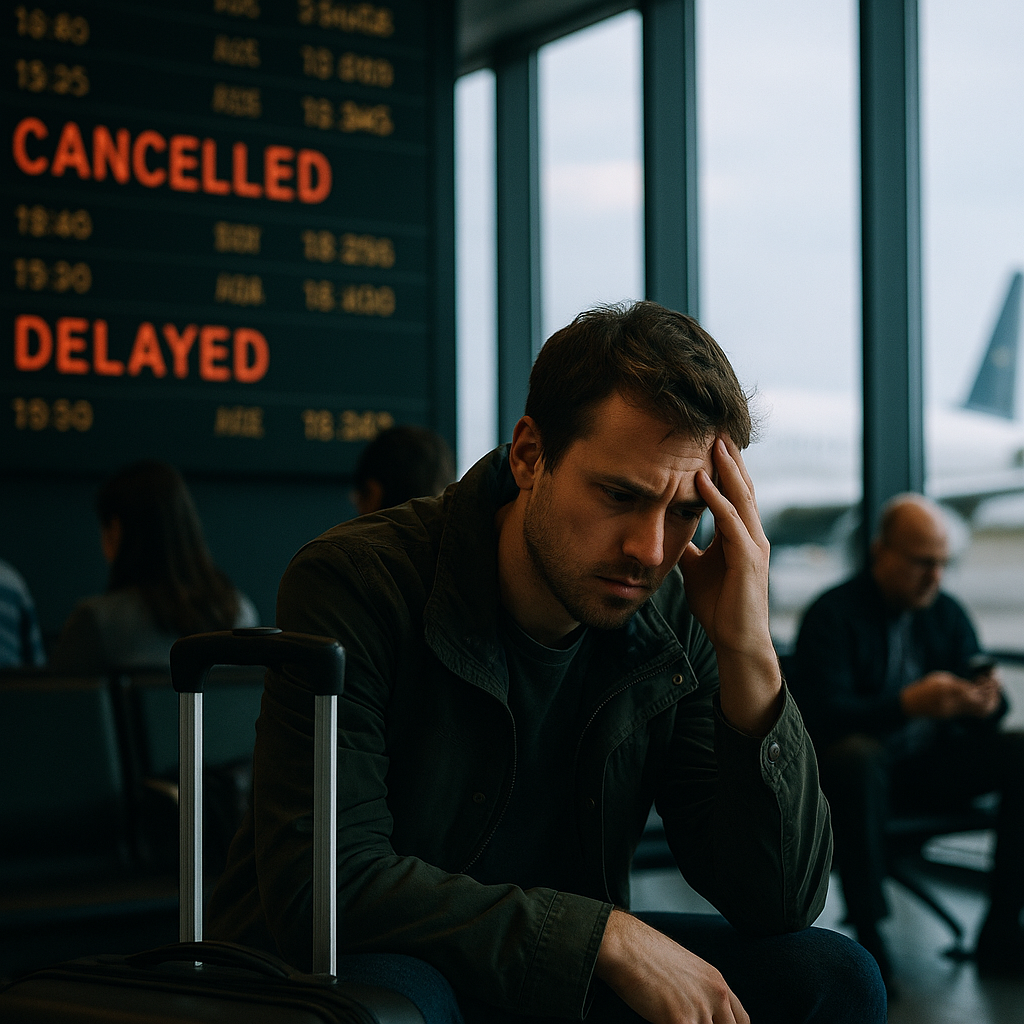
As of 2026, the aviation industry continues to grapple with significant challenges related to flight cancellations and delays. According to the International Air Transport Association (IATA), the global rate of flight cancellations has increased by 8% compared to 2024. This trend is attributed to several factors, including adverse weather conditions, operational inefficiencies, and ongoing geopolitical tensions. The impact on passengers and airlines alike is profound, necessitating a closer examination of the underlying causes and potential solutions.
Current Statistics on Flight Cancellations
Flight cancellations have become increasingly prevalent in recent years, with data from the U.S. Department of Transportation indicating that approximately 2.5% of all scheduled flights were canceled in 2025. This represents a slight increase from the 2.3% cancellation rate recorded in 2024. In Europe, Eurocontrol reported a cancellation rate of 3.1% in 2025, marking a notable rise from the 2.8% observed the previous year.
Several factors contribute to these cancellations, including:
- Weather-related disruptions: Severe weather conditions, such as hurricanes and snowstorms, have led to numerous flight cancellations, particularly in North America and Europe.
- Technical issues: Aircraft maintenance and technical failures continue to be significant contributors to flight cancellations.
- Air traffic control strikes: Labor strikes among air traffic controllers have disrupted flight schedules, particularly in Europe.
Delays: A Persistent Issue
Flight delays remain a persistent issue in the aviation industry. In 2026, the average delay time for flights in the United States was reported to be 53 minutes, according to the Bureau of Transportation Statistics. This is a slight improvement from the 56-minute average delay recorded in 2025. In Asia, the Civil Aviation Administration of China reported an average delay time of 47 minutes in 2026, compared to 50 minutes in 2025.
Delays are often caused by a combination of factors, including:
- Congested airspace: Increased air traffic has led to congestion, resulting in delays.
- Security concerns: Enhanced security measures have contributed to longer processing times at airports.
- Operational inefficiencies: Inefficient boarding and deplaning procedures can lead to delays.
Impact on Passengers and Airlines
The impact of flight cancellations and delays on passengers is significant, often resulting in missed connections, disrupted travel plans, and financial losses. Airlines also face substantial financial repercussions, including increased operational costs and potential damage to their reputation. As of 2026, airlines are estimated to lose approximately $8 billion annually due to cancellations and delays, according to a report by Reuters.
Efforts to Mitigate Cancellations and Delays
In response to these challenges, airlines and regulatory bodies are implementing various strategies to mitigate cancellations and delays. These include:
- Investment in technology: Airlines are investing in advanced technologies to improve operational efficiency and enhance communication with passengers.
- Enhanced weather forecasting: Improved weather forecasting tools are helping airlines make more informed decisions regarding flight schedules.
- Collaborative decision-making: Airlines are working closely with air traffic control and airport authorities to optimize flight operations.
While these efforts are showing promise, the aviation industry continues to face challenges that require ongoing attention and adaptation.
Sources: Reuters, Government releases, publicly available data.
Comments
Post a Comment