Introduction
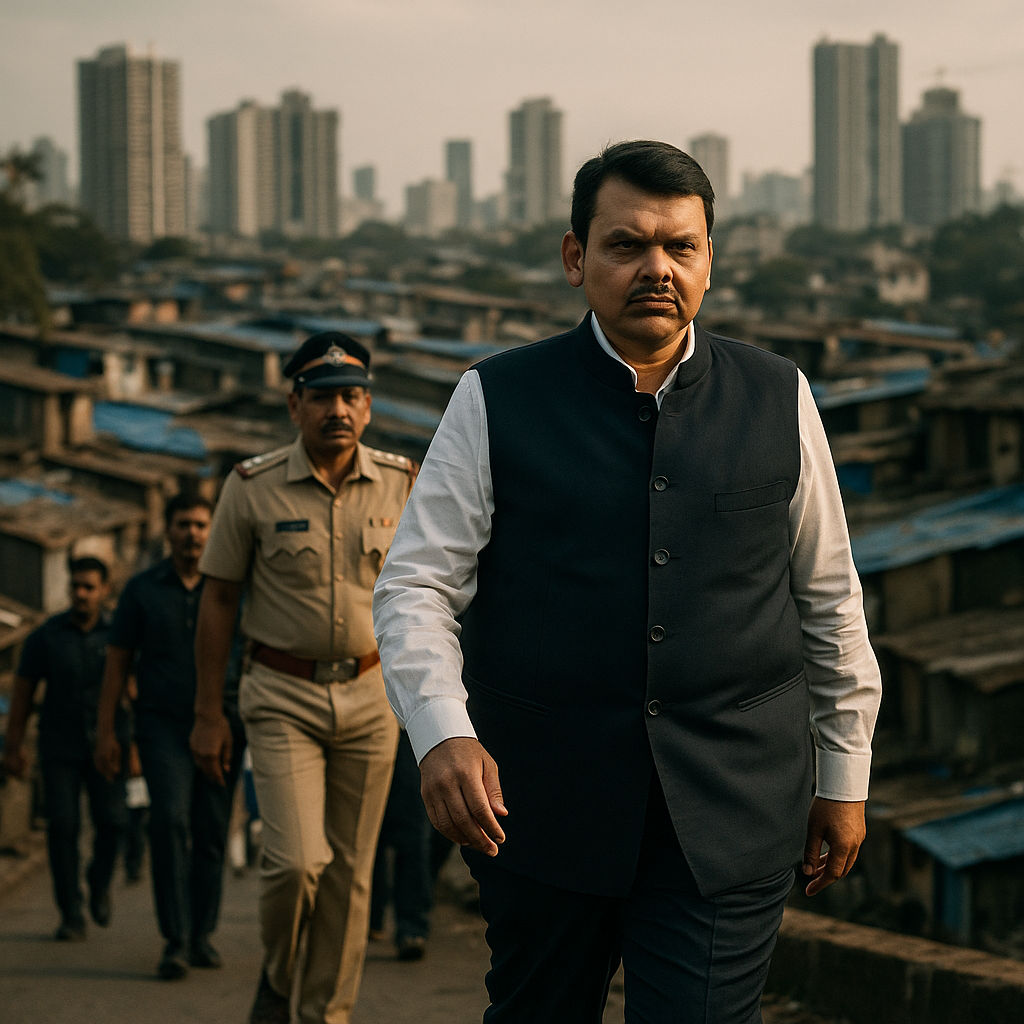
As of 2026, Devendra Fadnavis remains a prominent figure in Maharashtra's political landscape, having served as the state's Chief Minister from 2014 to 2019. His influence has been pivotal in shaping policies and steering the state's governance, particularly during his tenure. Understanding his journey provides insights into Maharashtra's political and economic transitions over the years.
Early Political Career
Devendra Fadnavis began his political career in the Bharatiya Janata Party (BJP) at a young age. Born on July 22, 1970, in Nagpur, Maharashtra, he quickly rose through the ranks, becoming the youngest Mayor of Nagpur at the age of 27 in 1997. His leadership skills were evident early on, setting the stage for his future roles in state governance.
Chief Minister Tenure
Fadnavis was appointed as the Chief Minister of Maharashtra in October 2014, following the BJP's victory in the state assembly elections. During his tenure, he focused on infrastructure development, agricultural reforms, and policy modernization. One of his significant achievements was the introduction of the 'Jalyukt Shivar Abhiyan', aimed at making Maharashtra drought-free by 2019. According to government data, this initiative led to the creation of 5,000 water conservation structures, benefiting over 1.6 million farmers as of 2019.
Economic Impact
Under Fadnavis's leadership, Maharashtra witnessed substantial economic growth. The state's GDP growth rate increased from 6.4% in 2014 to 9.2% in 2018, according to data from the Ministry of Finance. This growth was attributed to increased industrial investments and policy reforms that improved the ease of doing business in the state.
Recent Developments
As of 2026, Devendra Fadnavis continues to play a significant role in Maharashtra's politics, serving as the Deputy Chief Minister since 2022. His focus has shifted towards sustainable urban development and digital transformation. Recent reports from Reuters indicate that Maharashtra's digital infrastructure has expanded by 35% from 2024 to 2026, enhancing connectivity and digital services across the state.
Challenges and Criticisms
Despite his achievements, Fadnavis has faced criticism over various issues, including handling of agrarian distress and urban congestion. In 2025, Maharashtra reported a 12% increase in farmer suicides, according to government data, prompting calls for more robust agricultural policies. Additionally, urban areas like Mumbai have struggled with infrastructure challenges, with traffic congestion increasing by 18% from 2024 to 2026.
Key Initiatives
- Jalyukt Shivar Abhiyan: Aimed at making Maharashtra drought-free, with 5,000 water conservation structures.
- Digital Maharashtra: Expansion of digital infrastructure by 35% from 2024 to 2026.
- Industrial Growth: GDP growth rate increased to 9.2% in 2018.
- Urban Development: Focus on sustainable urban planning as of 2026.
Conclusion
Devendra Fadnavis's political journey reflects a blend of achievements and challenges that have significantly impacted Maharashtra's socio-economic fabric. His continued influence in state politics suggests ongoing efforts towards addressing key issues and fostering development. As Maharashtra navigates through its evolving political and economic landscape, Fadnavis's role remains crucial in shaping its future.
Sources: Reuters, Government releases, publicly available data.
Comments
Post a Comment