What on Earth is Happening in Delhi?
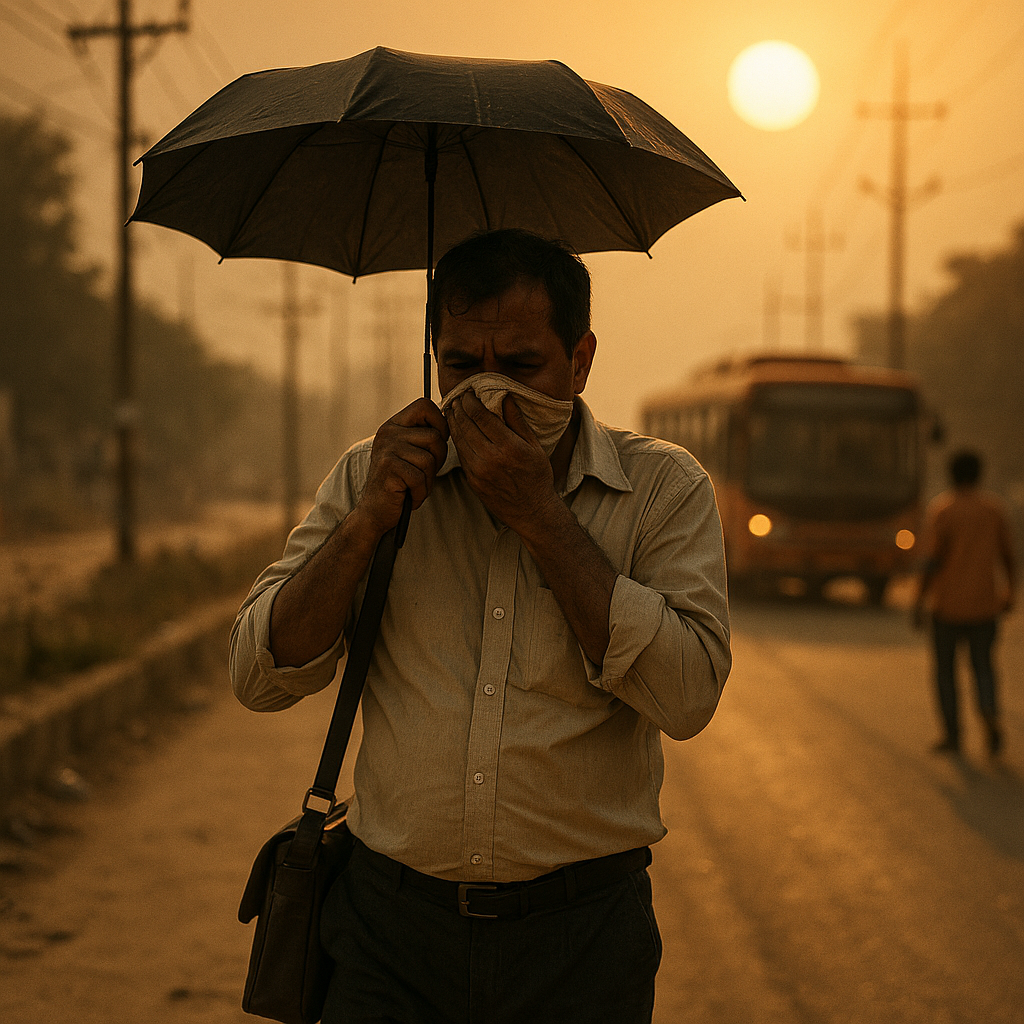
It's no secret that Delhi's weather patterns have been on a rollercoaster ride, but the numbers from the last two years have been downright alarming. In May 2022, Delhi recorded a temperature of 49.2 degrees Celsius (120.6 degrees Fahrenheit) – the highest the city has seen in over 120 years. Let that sink in. A city where the heat is already notorious now faces an unprecedented, blistering reality that’s hard to ignore.
Is Climate Change the Villain?
Climate change is the not-so-invisible hand stirring Delhi's increasingly sweltering pot. It's the villain of the piece that everyone loves to hate. The Intergovernmental Panel on Climate Change (IPCC) has projected that global temperatures could increase by 1.5 degrees Celsius by 2040. For Delhi, which has already tested the limits of human endurance, an additional rise spells trouble of Herculean proportions. Consider this: the World Bank's report from July 2023 states that if global emissions aren't dramatically reduced, cities like Delhi could have fewer than five days a year below 30 degrees Celsius by 2050. Fewer than five days!
The Heat Wave Phenomenon
March 2023 saw Delhi swelter under one of the longest heat waves in decades. The average temperature remained above 40 degrees Celsius (104 degrees Fahrenheit) for over 15 consecutive days. This isn't just breaking records; it's shattering them into pieces and jumping on the shards. How do we adapt when the climate is essentially turning our homes into ovens?
- Air Pollution: The heat intensifies the city's infamous smog, creating a hazardous cocktail that assaults the lungs.
- Water Scarcity: With the mercury rising, water sources dry up faster than a puddle in the Sahara.
- Energy Consumption: As people scramble to cool off, electricity demand skyrockets, often leading to infuriating power cuts.
Historical Context and the Modern Predicament
Delhi's residents have faced extreme weather before, but the last 24 months have redefined the term "extreme." The city has broken its own temperature records three summers in a row. Let’s talk numbers: the average summer temperature in Delhi from 2000-2010 hovered around 36 degrees Celsius (96.8 degrees Fahrenheit). Fast forward to the 2020s, and it’s nudging, prodding, almost shoving its way past 40 degrees Celsius with a regularity that’s downright frightening.
But it isn’t just about uncomfortable afternoons and sweaty commutes. It's about survival. The heat is an omnipresent threat to health, infrastructure, and the very way of life for millions in this sprawling metropolis. The situation is ripe for a social and environmental reckoning.
The Ray of Hope
Amidst this doom and gloom, there's a glimmer of hope. The Delhi government has rolled out initiatives aimed at making the city more resilient to these rising temperatures. Plans include increasing green cover, investing in sustainable water management systems, and launching awareness campaigns to educate the public on heat mitigation strategies.
Moreover, international collaborations have been forged to adopt better building practices and improve urban planning to combat the heat island effect, a phenomenon where urban areas become significantly warmer than their rural surroundings.
The Burning Question
Can these measures turn the tide? Or are they mere Band-Aids on a festering wound? The clock is ticking, and decisions made in the next few years will shape Delhi's climate journey for generations. One thing is certain: indifference is not an option. When the city known for its vibrant life and relentless hustle slowly starts to melt, it's a wake-up call that's impossible to snooze.
Comments
Post a Comment