Introduction to the Delhi-Dehradun Expressway
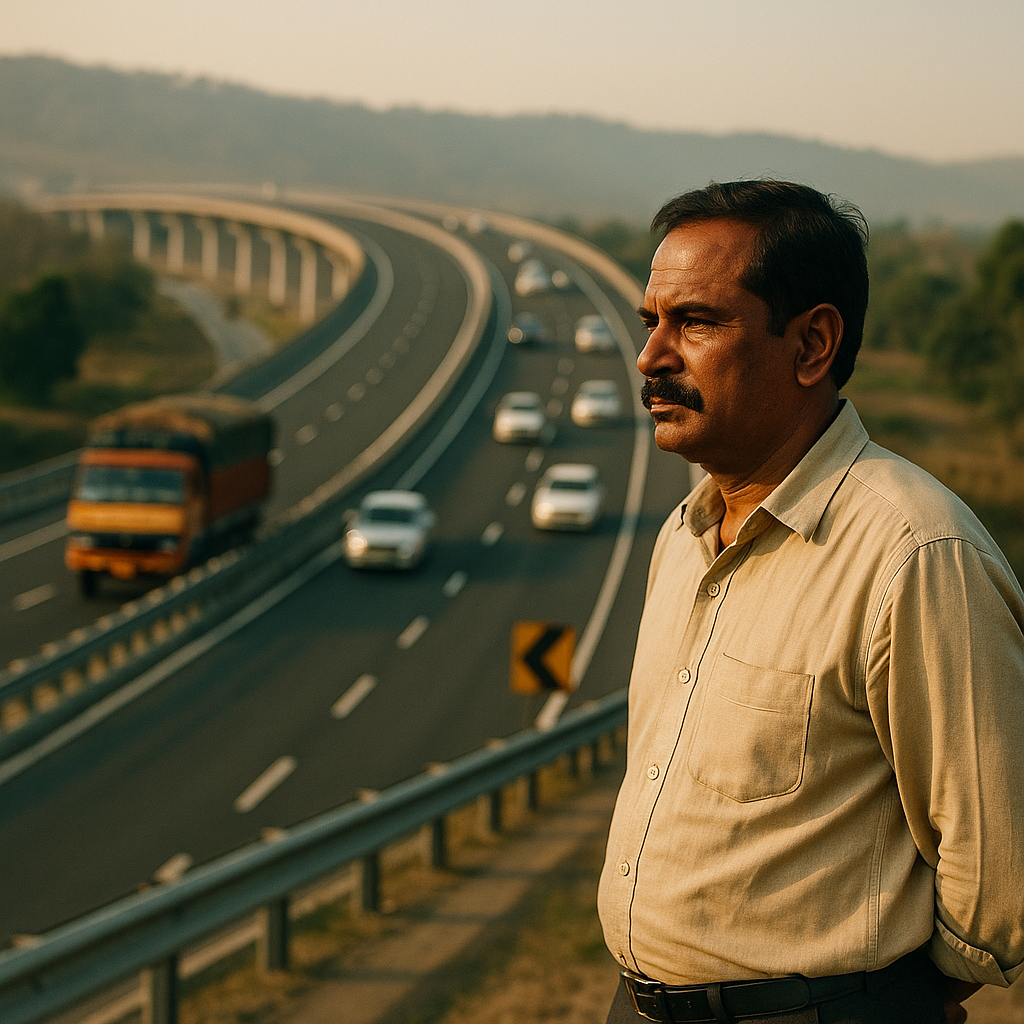
As of 2026, the Delhi-Dehradun Expressway stands as a significant infrastructural development in Northern India, aiming to enhance connectivity between the capital city, Delhi, and the capital of Uttarakhand, Dehradun. This expressway is a part of India's ambitious Bharatmala Pariyojana, a nationwide highway development initiative. The expressway is expected to drastically reduce travel time and facilitate smoother transit for commuters and goods.
Key Features and Specifications
The Delhi-Dehradun Expressway spans approximately 210 kilometers, making it one of the longest expressways in the region. It is designed to be a six-lane highway, with provisions to expand to eight lanes in the future. The expressway incorporates advanced engineering techniques, including elevated sections and tunnel passages, to navigate through the challenging terrain.
Environmental Considerations: The project includes eco-friendly measures such as wildlife corridors and sound barriers to minimize the impact on local flora and fauna. According to the Ministry of Road Transport and Highways, approximately 20 kilometers of the expressway will pass through forested areas, necessitating careful planning to preserve biodiversity.
Impact on Travel Time and Efficiency
One of the most significant advantages of the Delhi-Dehradun Expressway is the reduction in travel time. As of 2026, the expressway is expected to cut down the journey from Delhi to Dehradun to approximately 2.5 hours, compared to the current 5-6 hours via NH 58. This improvement is poised to benefit both daily commuters and tourists, facilitating economic growth in the region.
Economic and Social Benefits
The expressway is anticipated to bolster economic activities by improving access to markets and resources. Key sectors expected to benefit include tourism, agriculture, and manufacturing. The enhanced connectivity is likely to attract investments in these sectors, contributing to the region's GDP growth.
Socially, the expressway is set to improve access to essential services such as healthcare and education, particularly for rural communities along the route. This development aligns with the government's goal of inclusive growth, ensuring that remote areas are not left behind in the nation's progress.
Current Status and Future Prospects
As of 2026, construction of the Delhi-Dehradun Expressway is in its final stages, with completion expected by the end of the year. The project has faced challenges, including land acquisition issues and environmental clearances, but these have been largely addressed through government interventions and public consultations.
Looking ahead, the expressway is projected to become a vital corridor for trade and tourism, potentially serving as a model for future infrastructure projects in India.
Challenges and Solutions
Despite its potential benefits, the Delhi-Dehradun Expressway has encountered several hurdles:
- Land Acquisition: Land acquisition has been a critical challenge, with delays impacting the project timeline. The government has implemented compensation schemes to expedite the process.
- Environmental Concerns: The expressway passes through sensitive ecological zones, necessitating stringent environmental safeguards. Measures such as wildlife crossings and afforestation initiatives are being employed.
- Funding and Budget: The project requires substantial investment, with costs estimated at INR 12,000 crore. Funding has been secured through a combination of government allocations and private sector participation.
Conclusion
The Delhi-Dehradun Expressway represents a transformative infrastructure project, set to redefine connectivity in Northern India. As of 2026, its completion is eagerly anticipated, promising significant benefits for commuters, businesses, and the environment. The expressway is not only a testament to India's growing infrastructural capabilities but also a step towards sustainable development.
Sources: Reuters, Government releases, publicly available data.
Comments
Post a Comment