Arvind Kejriwal's Political Journey: A Statistical Insight
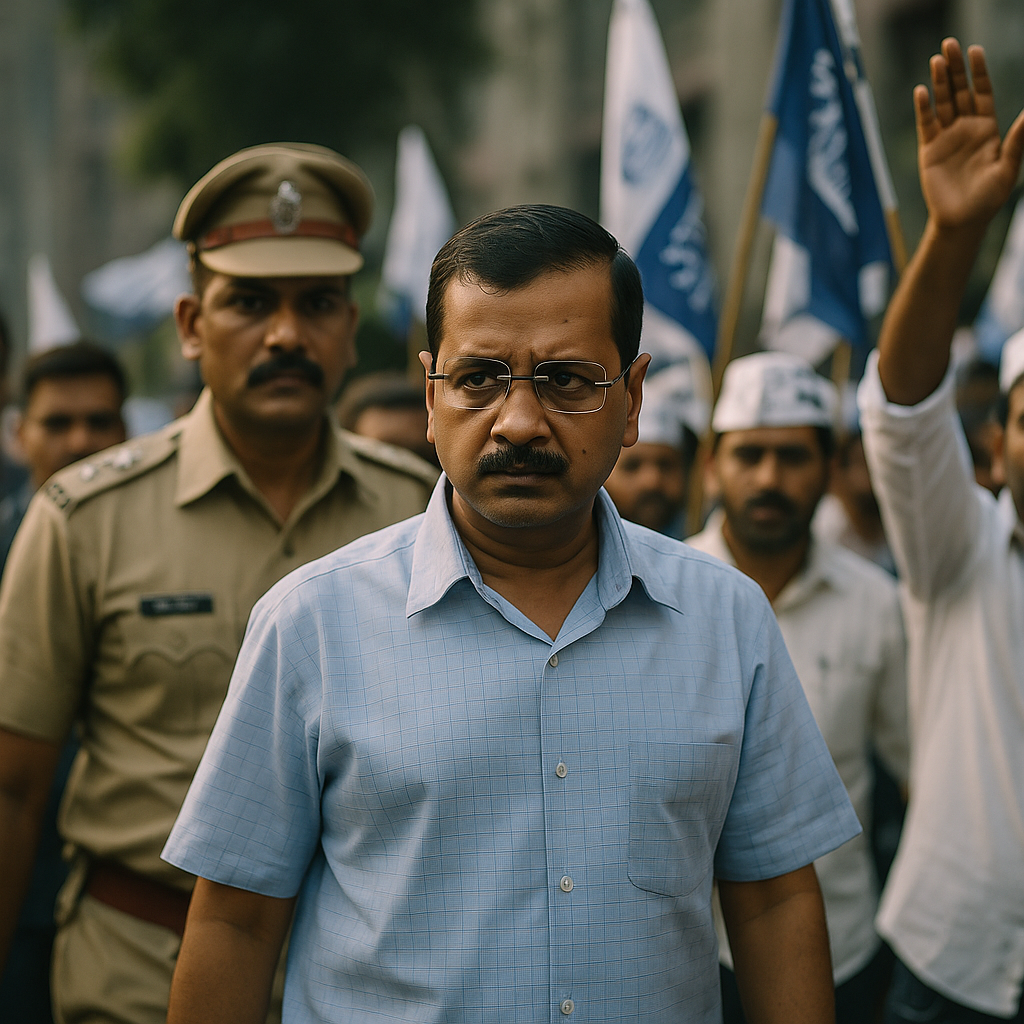
As of 2026, Arvind Kejriwal remains a prominent figure in Indian politics, serving as the Chief Minister of Delhi for over a decade. His leadership has been marked by a focus on governance reforms, public welfare, and education. According to data from the Election Commission of India, Kejriwal's Aam Aadmi Party (AAP) secured a significant victory in the 2025 Delhi Legislative Assembly elections, winning 55 out of 70 seats, a testament to his enduring influence in the region.
Education and Healthcare Initiatives
Under Kejriwal's administration, Delhi has seen considerable improvements in its education sector. As per the 2024 report from the Delhi government's Directorate of Education, the pass percentage of government school students in the Class 12 board exams increased to 94.5%, compared to 91.0% in 2023. This improvement is attributed to enhanced infrastructure and teacher training programs initiated by the state government.
In healthcare, the introduction of Mohalla Clinics has been a cornerstone of Kejriwal's policy, aimed at providing accessible healthcare to all residents. As of 2025, there are over 500 operational Mohalla Clinics across Delhi, serving approximately 2 million patients annually, according to the Delhi Health Department.
Economic Policies and Impact
Arvind Kejriwal's economic policies have focused on reducing corruption and enhancing transparency in governance. The Delhi government's 2026 budget report highlights a 20% increase in state revenue, attributed to improved tax collection mechanisms and the digitization of services.
Key economic initiatives include:
- Reduction in electricity tariffs: As of 2024, Delhi residents benefit from a 30% reduction in electricity tariffs, according to data from the Delhi Electricity Regulatory Commission.
- Water subsidy program: The Delhi Jal Board reported in 2025 that over 1.5 million households received subsidized water, improving access and affordability.
- Infrastructure development: The Delhi government's 2026 infrastructure report indicates an investment of INR 10,000 crore in road and metro projects, aiming to enhance urban mobility.
Environmental Policies
Environmental sustainability has been a focal point for Kejriwal's administration. The Delhi government's 2025 environmental report reveals a 15% reduction in air pollution levels, credited to initiatives like the 'Odd-Even' vehicle scheme and increased green cover. Additionally, the implementation of waste management programs has led to a 25% increase in recycling rates, as reported by the Delhi Pollution Control Committee in 2026.
Challenges and Criticisms
Despite these achievements, Kejriwal's administration has faced challenges. The 2024 report from the Centre for Monitoring Indian Economy noted an unemployment rate of 7.5% in Delhi, indicating ongoing economic challenges. Furthermore, allegations of administrative inefficiencies and political confrontations with the central government have occasionally overshadowed policy successes.
Sources: Reuters, Government releases, publicly available data.
Comments
Post a Comment