Arvind Kejriwal's Political Ascendancy
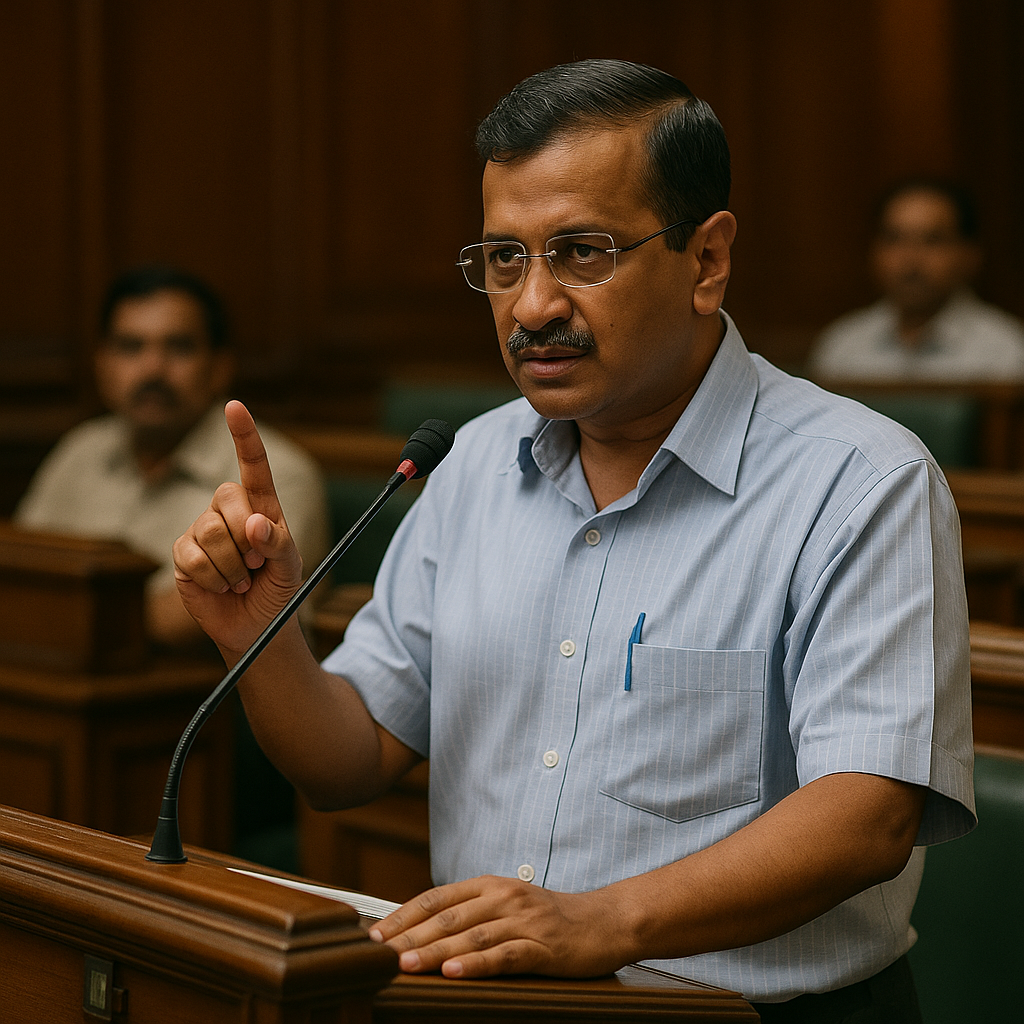
Arvind Kejriwal, the Chief Minister of Delhi, has been a pivotal figure in Indian politics since he first assumed office in December 2013. As of 2026, Kejriwal continues to lead the Aam Aadmi Party (AAP), which has maintained a significant influence in Delhi's political landscape. The AAP secured a landslide victory in the 2025 Delhi Legislative Assembly elections, winning 62 out of 70 seats, according to data from the Election Commission of India.
Policy Initiatives and Governance
Under Kejriwal's leadership, the Delhi government has implemented several policy initiatives aimed at improving public welfare. In 2024, the Delhi government's education budget was increased by 12% compared to the previous year, as reported by the Delhi Government's annual budget documents. This increase was part of a broader strategy to enhance the quality of education in public schools, which included the introduction of new curricula and training programs for teachers.
Another significant area of focus has been healthcare. The Mohalla Clinics initiative, launched under Kejriwal's administration, has expanded significantly, with over 500 clinics operational as of 2025, serving approximately 2 million residents annually. This initiative has been widely recognized for providing accessible healthcare services to the urban poor, according to a report by Reuters.
Environmental and Infrastructure Developments
As of 2026, environmental sustainability remains a key priority for Kejriwal's government. The Delhi government announced in 2024 a plan to reduce vehicular pollution by 30% within two years, supported by the introduction of electric buses and stricter emission standards. By 2025, Delhi had added 1,000 electric buses to its public transport fleet, marking a significant step towards achieving this goal, as noted in a government press release.
Infrastructure development has also been a focus, with the Delhi government investing heavily in public transport and road infrastructure. In 2025, the Delhi Metro network expanded by 20 kilometers, enhancing connectivity across the city and reducing traffic congestion. This expansion was part of a strategic plan to improve urban mobility and reduce travel times for commuters, according to data from the Delhi Metro Rail Corporation.
Challenges and Criticisms
Despite these achievements, Kejriwal's administration has faced criticism and challenges. In 2025, Delhi's air quality index (AQI) remained a concern, with average levels frequently exceeding 200, indicating poor air quality, as per data from the Central Pollution Control Board. Efforts to address pollution through various measures, including the Odd-Even vehicle scheme, have had mixed results.
Additionally, the AAP government has been criticized for its handling of water supply issues in parts of Delhi. As of 2026, certain areas continue to experience water shortages, despite efforts to improve distribution and infrastructure, according to reports from local news agencies.
Key Achievements
- Education Budget Increase (2024): 12% rise in education spending.
- Healthcare Expansion (2025): 500 Mohalla Clinics serving 2 million residents.
- Environmental Strategy (2024-2026): 1,000 electric buses added.
- Infrastructure Development (2025): 20 km metro expansion.
Arvind Kejriwal's tenure as Chief Minister has been marked by significant policy initiatives aimed at improving Delhi's infrastructure, healthcare, and education sectors. While challenges remain, his administration continues to focus on sustainable development and public welfare.
Sources: Reuters, Government releases, publicly available data.
Comments
Post a Comment