Introduction
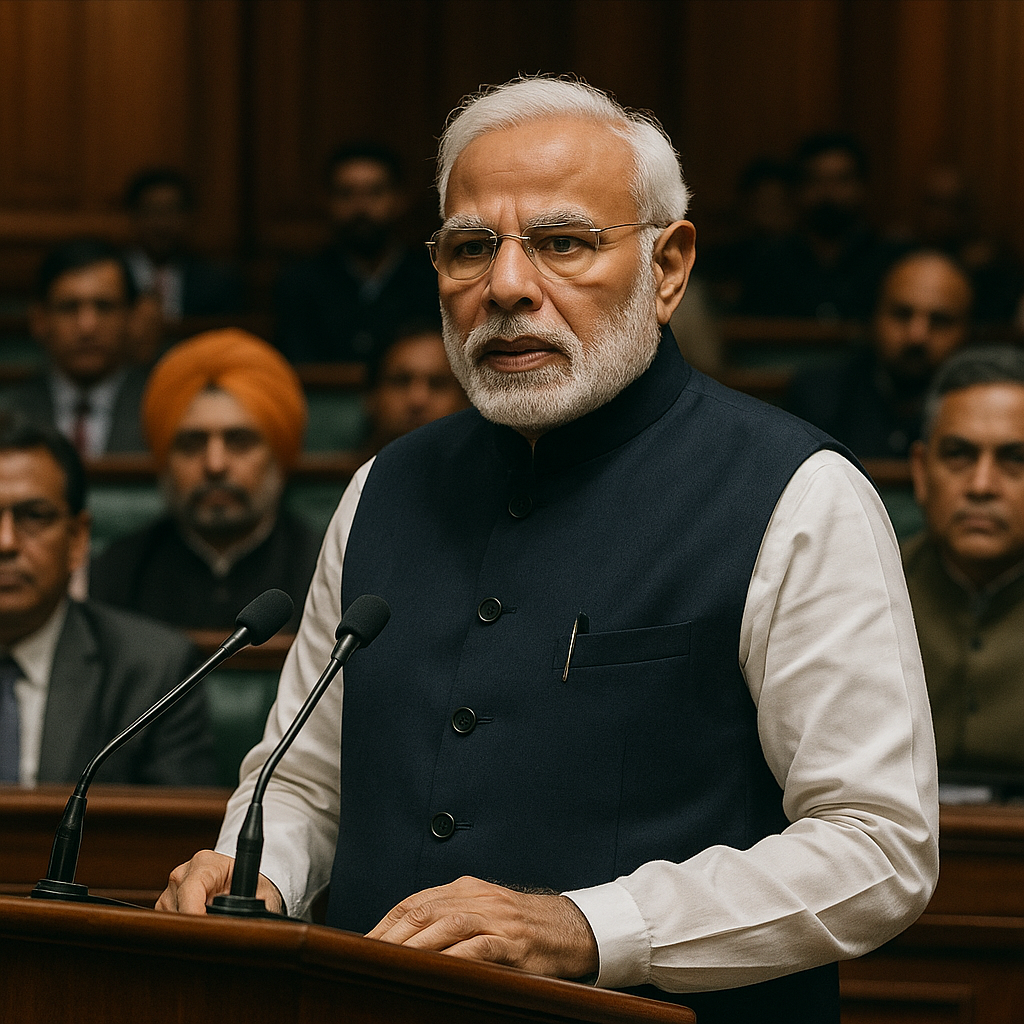
As of 2026, India stands as the world's most populous country, with over 1.4 billion citizens, a fact underscored by the United Nations data released in 2024. The role of the Prime Minister in such a diverse and populous nation is pivotal, overseeing policies that affect millions daily. The Prime Minister of India serves as the head of government, wielding significant influence over domestic and international affairs.
Economic Growth and Challenges
India's economy has been a focal point for the Prime Minister's administration. According to the International Monetary Fund (IMF), India is projected to grow at a rate of 6.1% in 2024, making it one of the fastest-growing major economies. However, challenges remain, such as unemployment, which stood at 7.8% in January 2026, as reported by the Centre for Monitoring Indian Economy (CMIE).
The Prime Minister's policies have focused on boosting manufacturing through initiatives like 'Make in India,' which aims to increase manufacturing's share of GDP to 25% by 2025. As of 2026, manufacturing contributes approximately 17% to India's GDP, indicating ongoing efforts to meet targets.
Social Policies and Reforms
Social reforms have been a significant aspect of the Prime Minister's tenure. The government has implemented numerous schemes aimed at improving healthcare, education, and sanitation. For instance, the Ayushman Bharat scheme, launched in 2018, continues to provide health coverage to over 500 million people, as reported by the Ministry of Health and Family Welfare in 2025.
Education reforms have also been prioritized, with the National Education Policy (NEP) 2020 aiming to overhaul the educational structure. By 2026, the policy has been implemented across various states, focusing on vocational training and skill development, which is crucial for India's growing youth population.
International Relations
The Prime Minister's role in international relations has been crucial for India's global standing. In 2025, India was elected as a non-permanent member of the United Nations Security Council, reflecting its increasing diplomatic influence. Moreover, trade relations with countries like the United States have seen significant growth, with bilateral trade reaching $150 billion in 2024, according to Reuters.
India's stance on climate change has also been pivotal. The country has committed to achieving net-zero emissions by 2070, a target announced at the COP26 summit in 2021. As of 2026, efforts are underway to expand renewable energy capacity, with solar power contributing 40 GW to the national grid, as per government data.
Challenges Ahead
Despite achievements, the Prime Minister faces ongoing challenges. The agricultural sector, employing over 40% of the population, is struggling with issues such as climate change and water scarcity. As of 2026, government data indicates that agricultural growth remains sluggish at 3.5%, necessitating further reforms.
Additionally, political stability is crucial for continued progress. The Prime Minister's leadership is under constant scrutiny, with opposition parties challenging policies and governance methods.
Key Initiatives
- Digital India: Aiming to transform India into a digitally empowered society and knowledge economy.
- Smart Cities Mission: Developing 100 cities across the country to enhance urban living standards.
- Clean India Mission (Swachh Bharat Abhiyan): Focused on improving sanitation and waste management.
- Startup India: Encouraging entrepreneurship and innovation through various incentives and support systems.
Sources: Reuters, Government releases, publicly available data.
Comments
Post a Comment