An Overview of the Board of Intermediate Education, Andhra Pradesh: Recent Developments and Statistics
Introduction to the Board of Intermediate Education, Andhra Pradesh
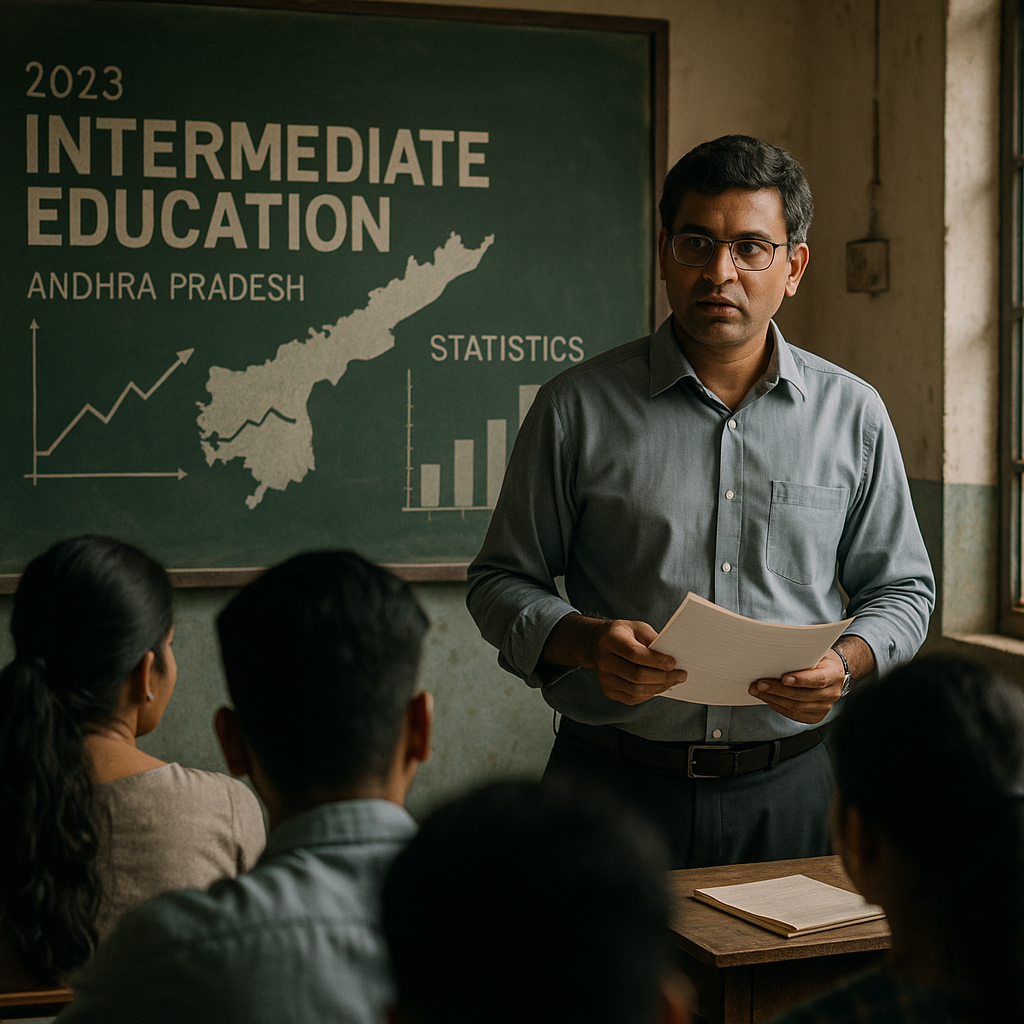
The Board of Intermediate Education, Andhra Pradesh (BIEAP) plays a crucial role in shaping the educational landscape of the state. Established in 1971, BIEAP is responsible for regulating and supervising the intermediate education system in Andhra Pradesh. As of 2026, the board has made significant strides in enhancing the quality of education, reflected in various statistical measures.
Recent Developments and Achievements
One of the notable achievements of BIEAP is the increase in the pass percentage of intermediate students. The pass percentage for the year 2024 was recorded at 64%, which rose to 68% in 2025 and further improved to 71% in 2026, according to data released by the Andhra Pradesh government. This upward trend indicates the board's effective implementation of educational reforms and policies aimed at improving student performance.
Enrollment Statistics
In terms of enrollment, BIEAP has witnessed a steady increase in the number of students opting for intermediate education. In 2024, the total enrollment stood at 900,000 students, which increased to 950,000 in 2025. As of 2026, the board reported a total enrollment of 1 million students. This growth can be attributed to the board's efforts in expanding access to education and encouraging higher participation rates among students.
Infrastructure and Digital Initiatives
BIEAP has been proactive in enhancing educational infrastructure and integrating digital technologies into the learning process. As of 2026, the board has successfully implemented digital classrooms in over 70% of the affiliated colleges, making use of modern teaching aids and techniques. The government's investment in technology has facilitated better learning experiences and increased engagement among students.
Challenges and Opportunities
Despite these achievements, BIEAP faces several challenges, including the need to address disparities in education quality across different regions. The board is focused on bridging the gap between urban and rural educational standards, ensuring equitable access to resources and opportunities for all students.
- Pass Percentage: Increased from 64% in 2024 to 71% in 2026.
- Total Enrollment: Reached 1 million students as of 2026.
- Digital Classrooms: Implemented in over 70% of colleges by 2026.
- Infrastructure Improvements: Ongoing efforts to enhance educational facilities.
Conclusion
The Board of Intermediate Education, Andhra Pradesh continues to play a pivotal role in the state's educational system, driving improvements and reforms that benefit students. As of 2026, the board's efforts have resulted in higher pass percentages, increased enrollment, and significant advancements in digital education. These developments underscore the board's commitment to providing quality education and addressing the challenges faced by the educational sector.
Sources: Reuters, Government releases, publicly available data.
Comments
Post a Comment