The Indus Water Treaty: A Historical Perspective
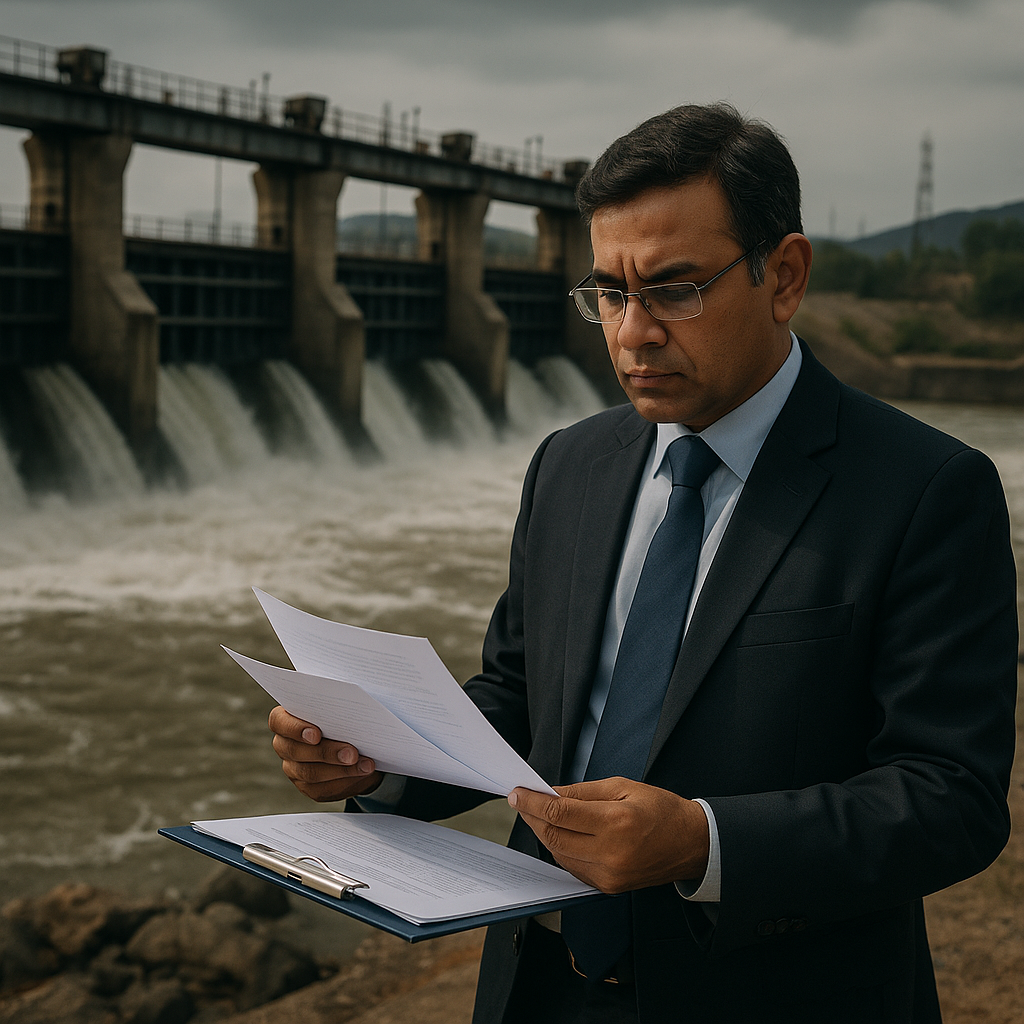
The Indus Water Treaty, signed in 1960 between India and Pakistan, is a water-distribution agreement brokered by the World Bank. It allocates the use of the Indus River and its tributaries among the two countries, with India receiving control over the eastern rivers — the Beas, Ravi, and Sutlej — while Pakistan controls the western rivers — the Indus, Jhelum, and Chenab.
Current Water Usage Statistics
As of 2026, the Indus basin spans approximately 1.12 million square kilometers, with Pakistan utilizing around 75% of the basin's water resources, according to data from the Pakistan Water and Power Development Authority (WAPDA). India, on the other hand, leverages around 25% of the basin's water, primarily for agricultural purposes in the states of Punjab and Haryana.
Challenges and Disputes
Despite the treaty's longevity, disputes have arisen over the years regarding water usage and infrastructure projects. For instance, the Kishanganga hydroelectric project in India has been a point of contention. In 2013, the Permanent Court of Arbitration in The Hague ruled that India could proceed with the project, but must ensure a minimum flow of water to downstream Pakistan.
Recent Developments
In 2024, a report from the United Nations highlighted the increasing demand for water resources due to population growth and climate change effects in both countries. The report indicated that by 2025, Pakistan's water demand is expected to increase by 30%, exacerbating existing tensions over shared water resources.
Infrastructure Projects
- India's Hydro Projects: India has been investing in several hydroelectric projects on the eastern rivers, aiming to increase its energy production. The government plans to add 3,000 megawatts of hydroelectric capacity by 2026.
- Pakistan's Canal Systems: Pakistan is focusing on expanding its canal system to improve agricultural irrigation, with plans to add 2,000 kilometers of new canals by 2025.
Environmental Concerns
Environmentalists have raised concerns about the impact of large-scale water projects on the ecosystem. As of 2026, the Indus River dolphin, an endangered species, faces threats due to reduced water flows and habitat fragmentation, according to the World Wildlife Fund (WWF).
Efforts Towards Resolution
In recent years, both countries have engaged in diplomatic talks to address water-sharing issues. As of 2025, the Indus Water Commission, a bilateral body established under the treaty, has held several meetings aimed at resolving disputes and ensuring compliance with treaty obligations.
Sources: Reuters, Government releases, publicly available data.
Comments
Post a Comment