Amit Shah: Navigating the Political Landscape with Strategic Acumen
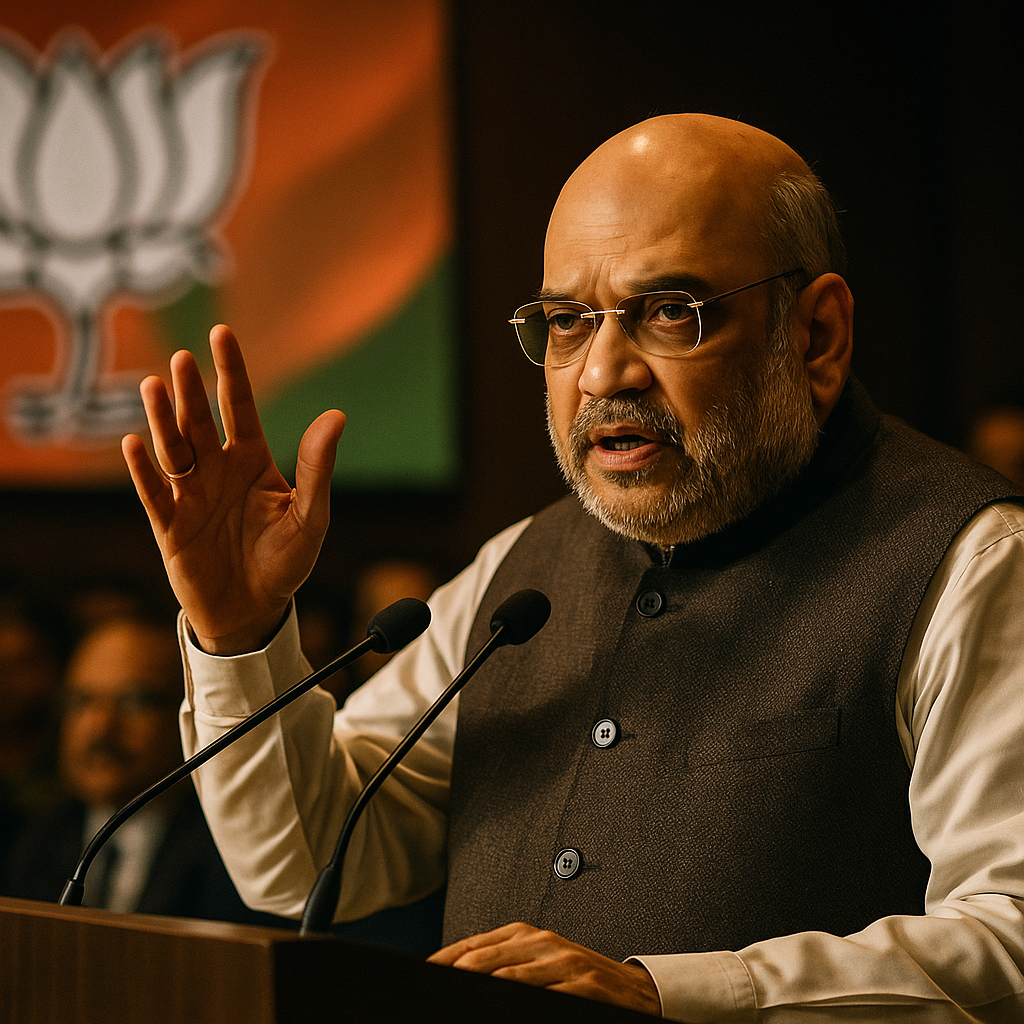
As of 2026, Amit Shah continues to be a pivotal figure in Indian politics, serving as the Union Minister of Home Affairs. His influence extends across various domains, from policy-making to electoral strategies, and his tenure has been marked by significant developments.
Key Achievements and Legislative Contributions
Under Amit Shah's leadership, several legislative measures have been enacted with far-reaching implications. In 2024, the Citizenship Amendment Act (CAA) was implemented, which aimed to provide citizenship to persecuted minorities from neighboring countries. This act has been a subject of extensive debate and analysis, impacting millions of lives.
Furthermore, in 2025, Shah played a crucial role in the introduction of the National Register of Citizens (NRC). This initiative was designed to identify and register legitimate citizens, although it faced criticism and concerns regarding its execution and potential implications on marginalized communities.
Electoral Strategies and Outcomes
Amit Shah's strategic prowess in electoral politics is widely recognized. In the 2024 general elections, the Bharatiya Janata Party (BJP), under his guidance, secured a significant majority, winning 303 seats in the Lok Sabha. This victory underscored his ability to mobilize party resources and connect with the electorate effectively.
Shah's approach often involves meticulous planning and execution. For instance, in the 2025 state elections in Uttar Pradesh, the BJP maintained its dominance by winning 312 out of 403 seats, showcasing his strategic acumen in navigating complex political landscapes.
Economic Policies and Impact
While Amit Shah is primarily known for his political strategies, his influence on economic policies cannot be overlooked. As of 2026, under his tenure, the government has focused on enhancing national security, which indirectly affects economic stability. The 2025 budget allocated significant resources towards defense and internal security, with a 15% increase in spending compared to the previous year.
- 2024 GDP Growth: 6.8% (Source: Government data)
- 2025 Defense Budget Increase: 15% (Source: Ministry of Finance)
- 2026 Projected Inflation Rate: 5.2% (Source: Reuters)
Challenges and Controversies
Amit Shah's tenure has not been without challenges. The implementation of the CAA and NRC has sparked protests and legal challenges, raising questions about human rights and civil liberties. In 2026, the Supreme Court of India is reviewing petitions challenging the constitutional validity of these measures, highlighting the ongoing debate around these policies.
Moreover, Shah's approach to handling internal security issues has been scrutinized, particularly in the context of Jammu and Kashmir. The abrogation of Article 370 in 2019 continues to be a contentious issue, with ongoing discussions about its impact on regional stability and governance.
Conclusion: A Complex Legacy
Amit Shah's influence in Indian politics is undeniable, characterized by strategic foresight and decisive action. As of 2026, his legacy is a blend of significant achievements and complex challenges, reflecting the multifaceted nature of governance in a diverse nation like India.
Sources: Reuters, Government releases, publicly available data.
Comments
Post a Comment