Tamil Nadu Legislative Assembly Elections 2026: Key Insights and Data
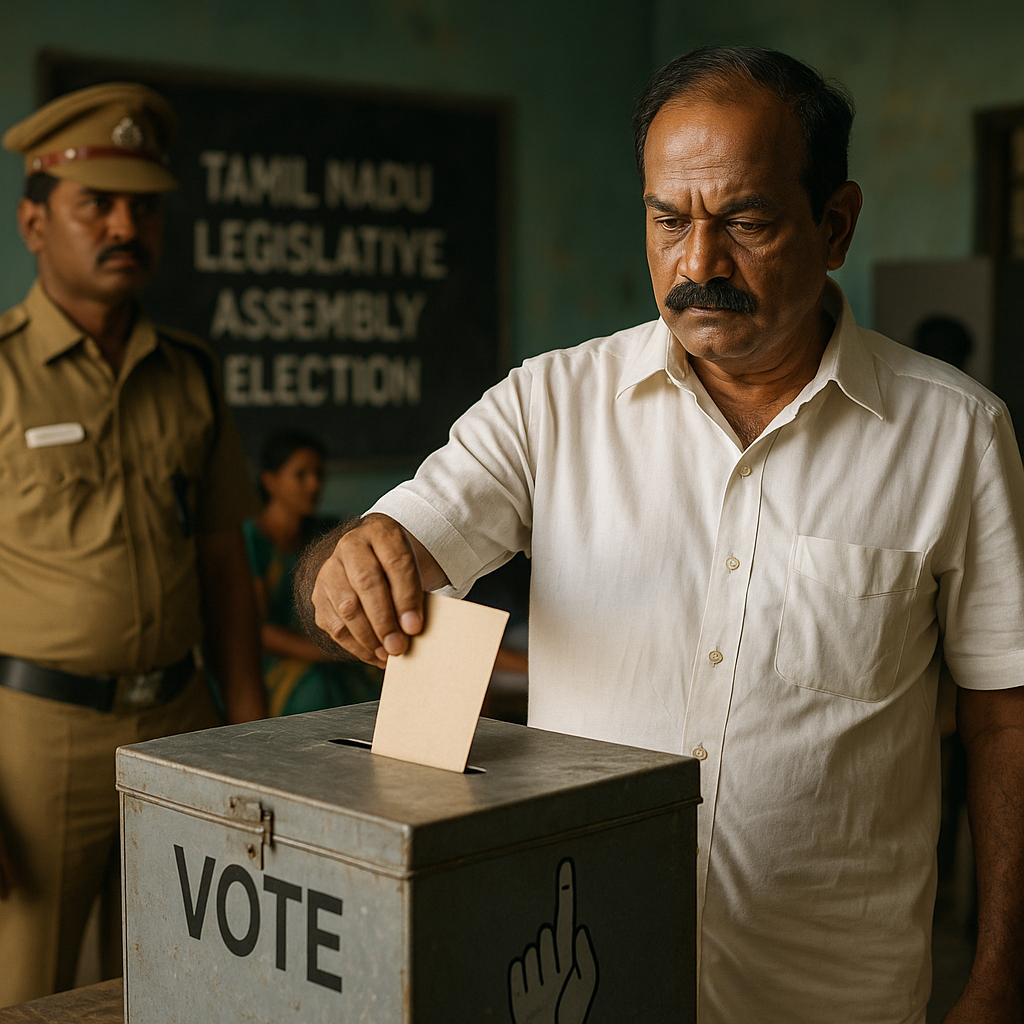
The Tamil Nadu Legislative Assembly Elections of 2026 are set to be a pivotal event in the state's political landscape, with several factors influencing the outcome. As of 2026, Tamil Nadu has a population of approximately 78 million, according to the latest data from the Tamil Nadu State Government. This demographic shift is likely to play a crucial role in shaping the electoral results.
Voter Turnout and Demographics
In the 2024 Lok Sabha elections, Tamil Nadu witnessed a voter turnout of 72.1%, as reported by the Election Commission of India. It is expected that the turnout for the 2026 Assembly elections could be influenced by similar factors, including increased political engagement among younger voters. As of 2026, the state has approximately 2.5 million new voters, a significant increase since the last Assembly elections.
Major Political Parties and Alliances
As of 2026, the major political parties contesting the Tamil Nadu Legislative Assembly elections include the Dravida Munnetra Kazhagam (DMK), All India Anna Dravida Munnetra Kazhagam (AIADMK), Bharatiya Janata Party (BJP), and Indian National Congress (INC). The DMK, under the leadership of M.K. Stalin, has been a dominant force in Tamil Nadu politics, having won 159 out of 234 seats in the 2021 Assembly elections. The AIADMK, despite facing internal challenges, remains a significant contender.
Key Issues Influencing the Electorate
Several issues are expected to influence the electorate in the 2026 elections:
- Economic Development: Tamil Nadu's GDP growth rate was reported at 8.2% in 2025, as per government data, making economic policies a critical area of focus.
- Infrastructure Projects: The state has seen significant investments in infrastructure, including the Chennai Metro expansion, which is projected to improve urban mobility.
- Social Welfare Programs: The implementation of various welfare schemes, such as free healthcare and education for the underprivileged, remains a priority for voters.
- Environmental Concerns: With increasing awareness about climate change, policies aimed at sustainability are gaining traction among the electorate.
Challenges and Opportunities
One of the challenges facing political parties is addressing the diverse needs of Tamil Nadu's population, which includes urban, rural, and coastal communities. The state government has emphasized the importance of inclusive growth and equitable distribution of resources. As of 2026, Tamil Nadu's literacy rate stands at 80.09%, highlighting the need for continued investment in education and skill development.
Opportunities for political parties include leveraging digital platforms for campaigning, as internet penetration in Tamil Nadu reached 55% in 2025, according to TRAI data. This shift toward digital engagement offers a new avenue for reaching voters, particularly the younger demographic.
Conclusion
The Tamil Nadu Legislative Assembly Elections of 2026 are poised to be a significant event, with various factors influencing the outcome. The interplay of demographic changes, economic policies, and social issues will shape the political landscape of the state. As parties gear up for the elections, the focus will be on addressing the diverse needs of the electorate and ensuring sustainable development.
Sources: Reuters, Government releases, publicly available data.
Comments
Post a Comment