Shaking Up the Status Quo: Why Our Understanding of Earthquakes is Flawed
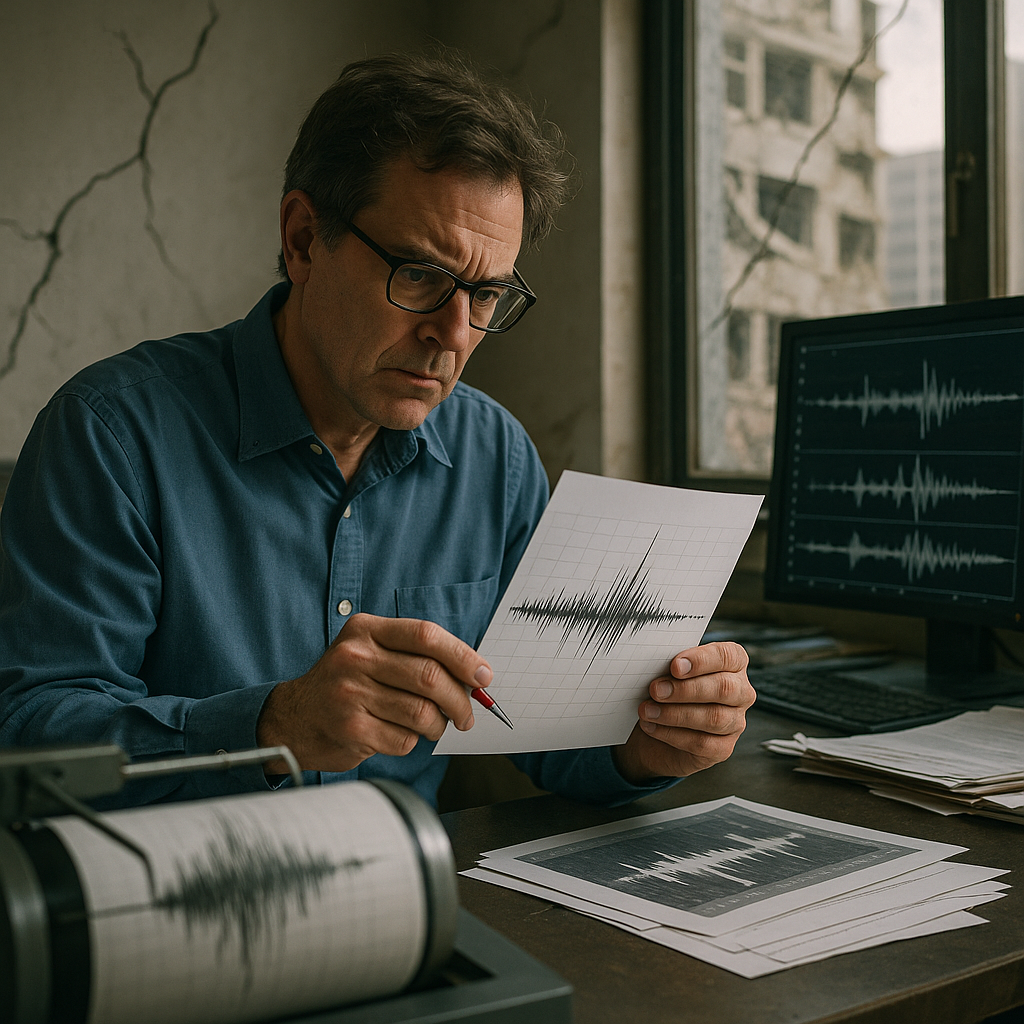
Did you know that the ground beneath your feet is in constant motion, even if you can't feel it? Most people consider earthquakes to be rare, unpredictable events. Yet, the earth experiences 500,000 detectable earthquakes each year, according to the U.S. Geological Survey. Most slip by unnoticed, but the 100,000 that are actually felt can wreak devastating havoc. This isn't some abstract science fiction story—it's a grim reality we face today.
The 2023 Turkey-Syria Earthquake: A Wake-Up Call
Let's talk numbers. On February 6, 2023, a colossal 7.8 magnitude earthquake struck Turkey and Syria, leading to over 50,000 casualties and rendering countless individuals homeless. Thousands of buildings—some brand new, boasting of modern engineering—crumbled like fragile sandcastles as the earth shook violently below. It's as if Mother Nature decided to teach us a harsh lesson about our arrogance in the face of her power.
Here's the thing: We've been building structures to withstand quakes for decades, but are we really as prepared as we think? In a world obsessed with technological advancements, our infrastructure still falters against the sheer force of natural disasters.
Why Predictions are as Reliable as a Crystal Ball
Seismologists have been tirelessly working on predicting earthquakes, yet the truth is, we're still basically stabbing in the dark. Although today's technology allows us to better understand seismic activity, the ability to predict the exact time and place of an earthquake remains limited. Imagine trying to predict a lightning strike—it’s a game of chance more than one of skill.
Let's not sugarcoat it: earthquake prediction has not significantly advanced over the last few decades. Despite immense research and funding, we are still no closer to pinpointing the next big quake than we were twenty years ago. It's a bitter pill to swallow for a tech-savvy society that has grown accustomed to instant answers and reliable forecasts in every other aspect of life.
The Cost of Complacency
If the 2023 Turkey-Syria earthquake taught us anything, it's the importance of preparedness. But how do we prepare without accurate predictions? The answer lies in building resilience rather than relying on clairvoyance.
Resilient infrastructure is not just a buzzword; it's a necessity. Let's break it down:
- Retrofitting existing buildings to withstand seismic waves
- Implementing stricter building codes globally
- Public education on earthquake preparedness
According to recent studies, investing in proper infrastructure and public awareness can reduce earthquake-related casualties by as much as 30%. But are we investing enough?
The Price Tag of Ignorance
Consider this: the 2011 Tōhoku earthquake and tsunami in Japan resulted in damages costing over $235 billion, making it the costliest natural disaster in history. When you think of the astronomical costs associated with repairs and relief efforts, pouring money into preventative measures sounds like a bargain, doesn't it?
Yet, governments worldwide often prioritize short-term gains over long-lasting safety measures. It's time to shift our focus from reactive to proactive solutions. The costs of ignorance are simply too high.
What Lies Beneath: Unseen Threats
If you think that earthquakes only affect regions notorious for seismic activity, you might want to reconsider. Recent research suggests that even regions historically deemed "safe" are not immune.
Case in point: the eastern United States experienced an unexpected jolt when a 5.8 magnitude earthquake struck Virginia in 2011, causing structural damage as far as Washington D.C. and beyond. It served as a stark reminder that no place is truly immune from the earth's sporadic tantrums.
Are you prepared?
The unsettling truth is that earthquakes can strike anywhere, anytime. Our best bet lies in acknowledgment and preparation, not in the flimsy assurance of predictions. It's high time we accept that the ground beneath us is far from static. Earthquakes will continue to surprise us with their uncanny timing and unpredictable fury.
Comments
Post a Comment