
Price of Petrol: A Closer Look at Today's Numbers
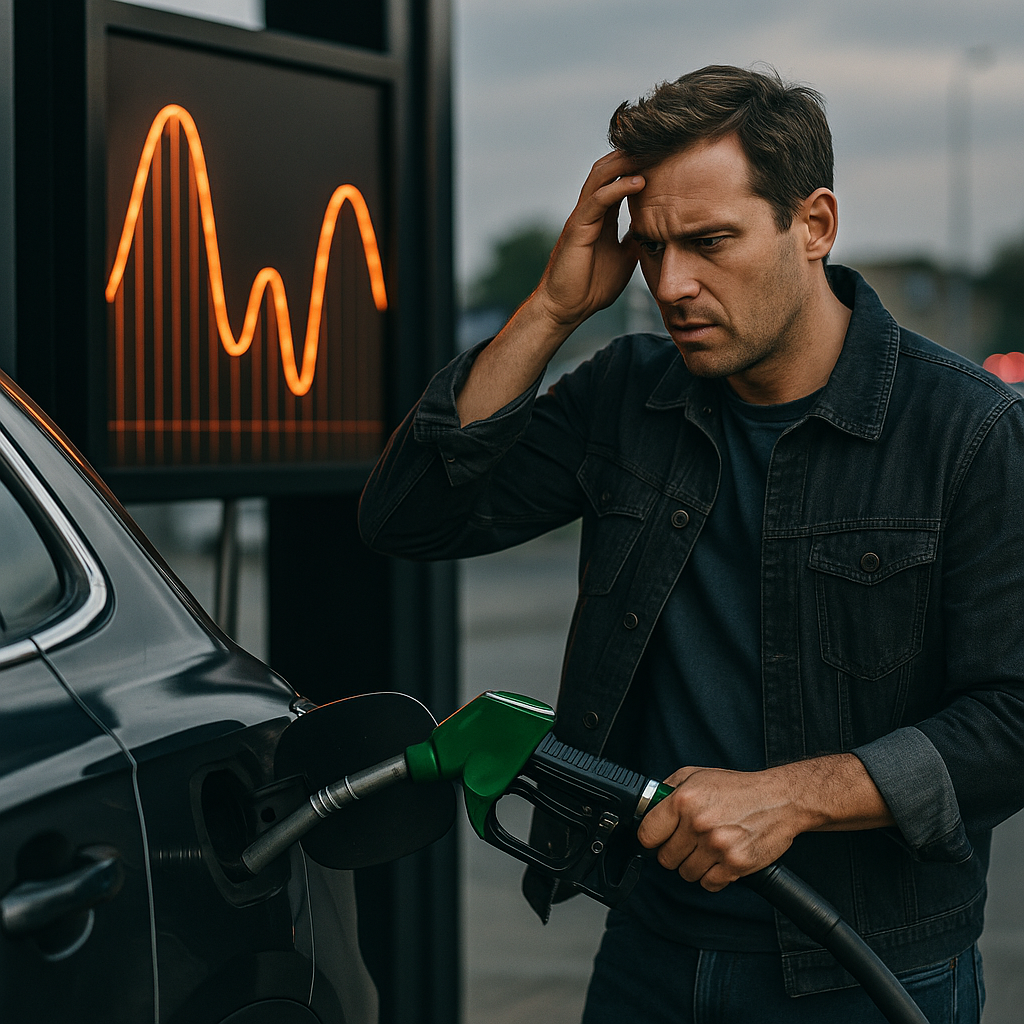
The petrol price per liter is once again flirting with making headlines for all the wrong reasons. As of October 2023, the average global petrol price stood at $1.32, up from a modest $1.21 just two years prior. Why, you might ask, are we watching this number with as much suspense as a season finale cliffhanger?
**It's not just about inflation.** It's about a complex web of geopolitical tensions, supply chain disruptions, and a post-pandemic world trying to find its footing. Let's not forget the looming specter of climate change, shaping policies faster than a Formula 1 car around a hairpin bend.
Global Events Stirring the Pot
**Russia's invasion of Ukraine** in early 2022 sent shockwaves through the energy sector. The ensuing sanctions and counter-sanctions created bottlenecks in the supply of crude oil, one of the main ingredients for petrol production. According to the International Energy Agency (IEA), Russian oil exports plummeted by 30% in the first half of 2022, causing ripples felt from Tokyo to Toronto.
Then there's OPEC, the oil cartel that's about as stable as a cat on a hot tin roof. In late 2022, OPEC made the controversial decision to slash production by 2 million barrels per day, aiming to prop up prices amid fears of a global recession. This move drove prices up, despite pleas from major economies like the United States for increased output.
The Green Revolution: Friend or Foe?
While the world is cheering for a greener future, the transition hasn't been all roses and sunshine for petrol prices. **Investments in renewable energy** are skyrocketing—BloombergNEF reported a record $495 billion in clean energy investments in 2022. This shift is gradually reducing dependence on fossil fuels, which should be a silver lining. However, the immediate impact is a decrease in oil exploration and new drilling projects, leading to tighter oil supplies.
Here's a quick glance at how the transition impacts the market:
- Reduced investments in traditional oil infrastructure.
- Increased taxes on fossil fuels in various nations as they push for greener alternatives.
- Increased research and development costs for cleaner petrol alternatives.
It's a classic case of short-term pain for long-term gain.
Post-Pandemic Demand: The Other Side of the Coin
The world’s thirst for petrol has not waned; if anything, it's intensified. 2023 saw global demand rebound as economies roared back to life. Lockdowns lifted, people traveled, factories hummed, and demand spiked like a caffeine addict on a Monday morning.
According to the U.S. Energy Information Administration (EIA), **global demand for petrol** reached 100.6 million barrels per day by mid-2023, nearing pre-pandemic levels. Yet, supply has not kept pace, partly due to the disruptions mentioned earlier and partly because producers are wary of past overproduction debacles.
The Consumer Impact: Wallets Feeling the Squeeze
For the average Joe, this translates to some unpleasant math at the pump. As petrol prices climb, so does the cost of living. Transportation costs increase, leading to a cascade effect on the price of goods and services. The pinch is palpable, especially in nations heavily reliant on imports.
Now, with inflationary pressures already gnawing at household budgets, the soaring petrol prices add another layer of financial strain. It's no wonder that governments are scrambling for solutions, from subsidies to tax cuts, to keep voters from grabbing pitchforks.
**Are we over a barrel?** The complexities of petrol pricing remind us that this isn't just about numbers. It's about power plays in international politics, tectonic shifts in energy policies, and a race against time in our climate crisis. Whether you're cheering for a greener planet or just hoping for a break at the pump, one thing is clear: the petrol price saga is far from over.


0 Comments