
Why the Electric Vehicle Revolution is Inevitable—But Not Perfect
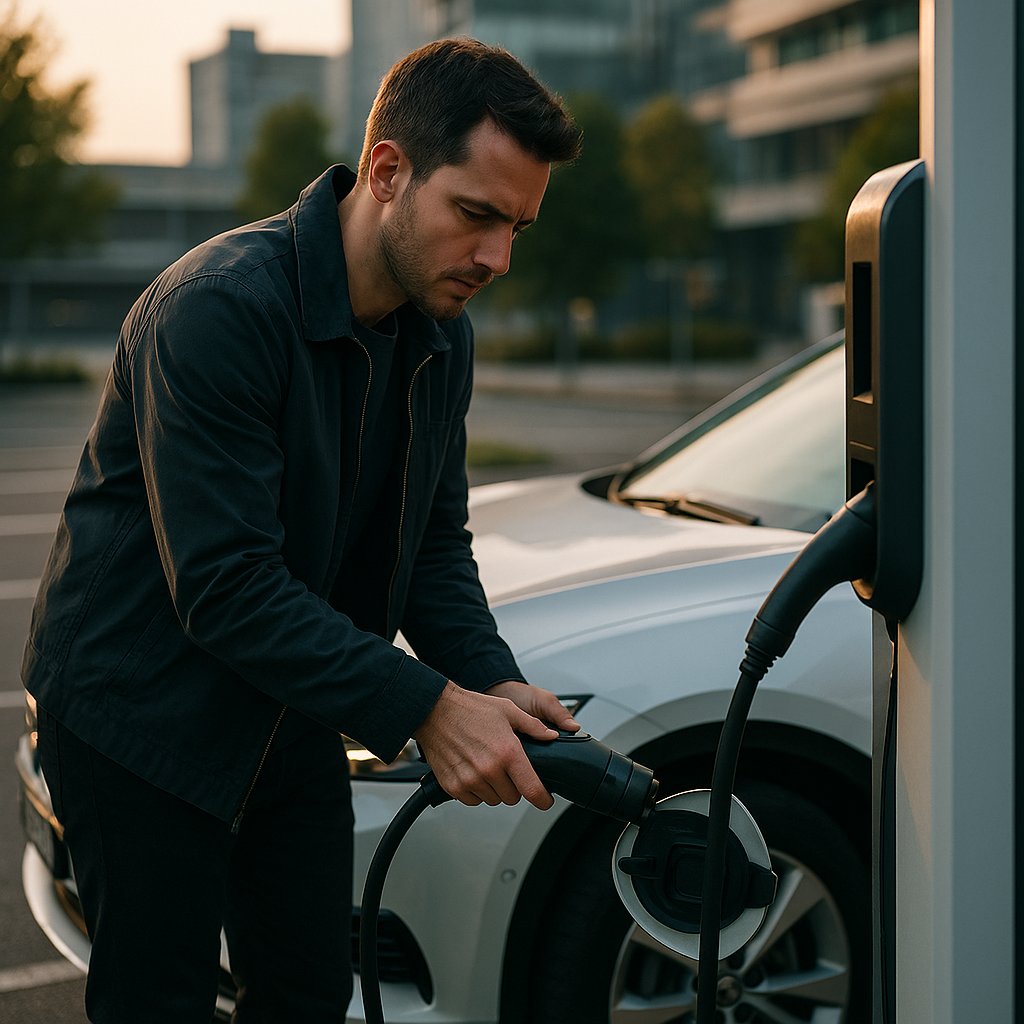
It's time to address the elephant in the room: by 2035, new gasoline car sales are set to be banned in California, a bold legislative move that's sending shockwaves through the automotive industry. Why? Because it's essentially telling us that in just over a decade, the industry must evolve or die. Yet, while electric vehicles (EVs) are being hailed as a planet-saving panacea, there are significant bumps on the road to this electric utopia.
The Growth of Electric Vehicles: Hype vs. Reality
First, let's talk numbers. According to data from the International Energy Agency (IEA), global EV sales surpassed 10 million in 2022, marking a 60% increase from 2021. This isn’t just a statistic; it's a revolution. If you think that's just a drop in the ocean of total car sales, you're right—but it’s a drop that’s causing ripples across the industry.
Yet, behind these optimistic figures lies a tangled web of supply chain issues, infrastructure deficits, and production challenges. While the adoption curve for any new technology is often steep, the climb for EVs is akin to scaling Mount Everest without oxygen.
The Infrastructure Nightmare
Here's a sobering thought: despite the surge in electric vehicle sales, North America still faces a deficit of over 1.5 million charging stations to meet anticipated demand by 2025. The infrastructure isn't keeping pace with sales. Charging stations are to EVs what gas stations are to traditional vehicles—without them, the whole model collapses.
Let's paint a picture for you. Imagine buying the latest smartphone, only to find that there are only two outlets in your entire city that can charge it. Frustrating, right? That's the reality for many EV owners living in both urban sprawls and rural outposts.
The Raw Materials Dilemma
Then, there's the issue of raw materials. The batteries that power these cars aren't as eco-friendly as the industry would like you to believe. Mining for lithium, cobalt, and nickel is a dirty business, impacting communities and environments worldwide. These metals are the lifeblood of EV batteries, yet their extraction and refining have sparked significant ethical concerns.
Here's a quick snapshot of the materials needed for a single EV battery:
- Lithium: 8 kg
- Cobalt: 14 kg
- Nickel: 35 kg
These numbers may seem small, but when scaled to meet global demand, the environmental and ethical ramifications are staggering.
This isn't just a moral issue; it's an economic one too. The prices of these materials have skyrocketed in the past few years. Lithium prices have increased by over 400% since 2021, highlighting the direct impact on EV production costs and, consequently, consumer prices. The ripple effect is enough to give any automaker a splitting headache.
The Road Ahead: Electric Dreams or Nightmare?
Still, the wheels of change are in motion. Companies like Tesla, Rivian, and even legacy automakers like Ford and GM are investing billions into EV technology, hoping to ride the tidal wave of change rather than be swept away by it. For instance, General Motors announced a $35 billion investment in EVs and autonomous vehicles by 2025. If money talks, then this is a conversational scream.
But does the math add up? Is this an investment in a greener future, or are these companies chasing after the pot of gold at the end of a mythical electric rainbow? As always, the devil is in the details, and only time will tell if these investments will result in widespread adoption rather than niche market appeal.
Yet, despite the hurdles, we stand on the brink of an electric future. The automotive industry's pivot towards electric vehicles is not just a passing trend; it's a fundamental shift, one that's driven by necessity as much as innovation. However, it's imperative to recognize that realizing this electric dream will require overcoming significant obstacles, from infrastructure to ethical supply chains.
So here's the million-dollar question: are we ready to pay the price for an electric tomorrow? Because the cost isn't just financial; it's ethical, logistical, and environmental. And it's a price we all have to weigh carefully as we accelerate into an electrified future.


0 Comments