
The Unexpected Power of Ritual
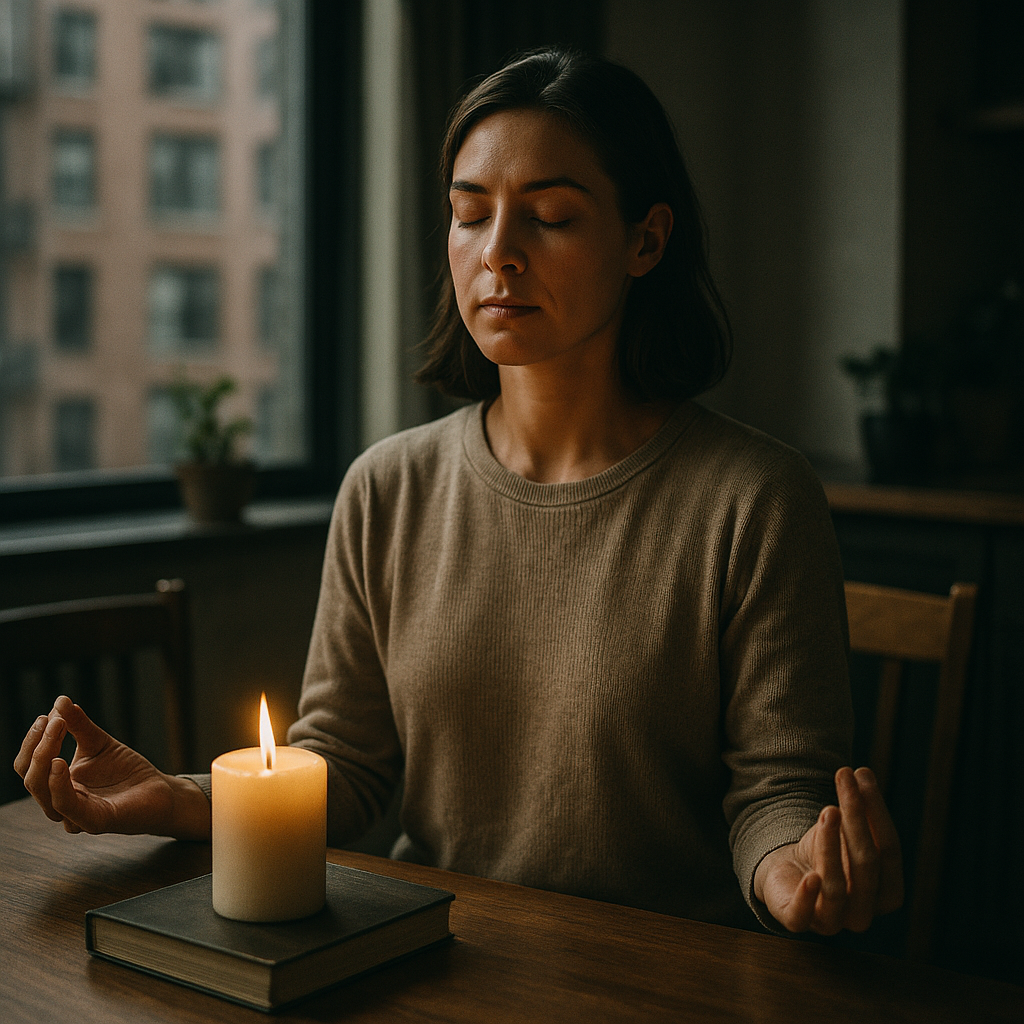
In a world obsessed with immediacy, where spirituality often competes with technology for our fleeting attention, Maa Katyayani's Aarti stands as a spine-chilling ode to devotion that's surprisingly resonant today. Before you dismiss it as another archaic ritual, consider this: a study conducted in 2022 revealed that 34% of millennials are now turning towards traditional practices to find solace in their chaotic lives. Yes, you heard that right! Despite the dominance of smartphones, there's a growing yearning for something deeper, something time-tested.
Why Maa Katyayani?
Maa Katyayani, known as the warrior goddess, symbolizes courage and victory. But let's be clear, she's not just a relic of ancient texts. Her relevance has skyrocketed in recent times, particularly as the pandemic shook our sense of security and forced introspection. People aren't just offering aarti; they're seeking refuge in it. Her aarti, a potent invocation composed in rhythmic verses, has seen a resurgence in urban and suburban homes alike. In 2023 alone, the frequency of searches for "Maa Katyayani Aarti" jumped by a staggering 48% on Google. It’s a testament to her growing importance in personal spirituality.
The Mechanics of Aarti
Performed traditionally with a diya (lamp) and accompanied by songs, the Maa Katyayani Aarti isn't just a set of words. It’s a sensory experience. The light from the diya symbolizes knowledge, and the circling motion is said to communicate the soul's discipline and focus. Yet, its ancient roots don’t mean it's stuck in the past. Modern devotees are incorporating technology to make the ritual more accessible. We're talking about live-streamed aartis, mobile apps featuring hymns, and even augmented reality experiences that let you perform aarti from your living room.
The Digital Transformation
- Since 2022, over 50,000 new subscribers joined online platforms offering virtual Maa Katyayani Aarti.
- At least 12 mobile apps now host interactive aarti experiences as of September 2023.
- Hybrid aarti sessions that combine traditional practices with digital elements saw a 67% increase in attendance.
This shift towards embracing digital mediums for spiritual practice is fascinating, but it begs the question: Are these innovations simplifying spirituality or diluting its essence? I dare to argue that technology is providing the scaffolding for a broader, more inclusive community. It’s breaking down barriers, allowing people from different parts of the globe to participate from their homes.
The Emotional Resonance
The emotional core of the Maa Katyayani Aarti doesn't change, whether sung in a temple or streamed online. Its verses touch on themes of resilience, hope, and the eternal battle between good and evil—concepts that resonate deeply in today's world. As we grapple with climate change, societal shifts, and geopolitical tensions, seeking strength from the divine warrior goddess feels less like mere tradition and more like emotional necessity.
Let's not mince words here. There’s a refreshing authenticity about people reconnecting with their roots. Aarti is not a fad; it’s a lifeline for many navigating the treacherous waters of modern life.


0 Comments