The Phenomena of Earthquakes: Causes, Effects, and Preparedness
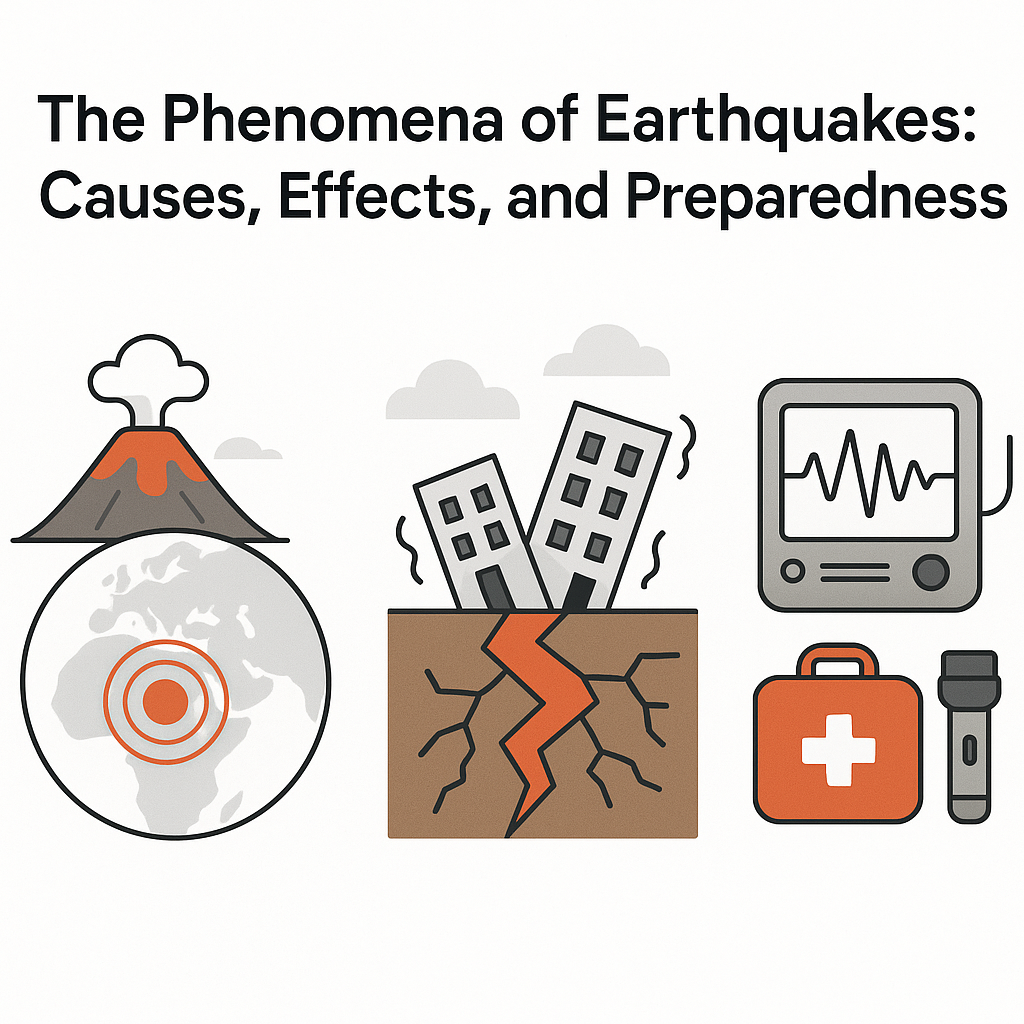
Earthquakes are one of nature's most formidable forces, capable of altering landscapes, destroying infrastructure, and profoundly impacting human lives. Understanding earthquakes, their causes, effects, and how to prepare for them is crucial for mitigating their impact. In this article, we delve into the science behind earthquakes and offer insights into effective preparedness strategies.
What Causes Earthquakes?
Earthquakes are primarily caused by the movement of tectonic plates beneath the Earth's surface. These plates are constantly shifting, and when they collide, pull apart, or slide past each other, the energy released causes seismic waves. This natural phenomenon can have various origins:
- Tectonic Earthquakes: Resulting from the movement of tectonic plates.
- Volcanic Earthquakes: Triggered by volcanic activity.
- Human-Induced Earthquakes: Caused by activities such as mining, reservoir-induced seismicity, or geothermal extraction.
The Effects of Earthquakes
The impact of an earthquake can be devastating, affecting both the natural environment and human societies. Here are some common effects:
- Ground Shaking: The most immediate effect, leading to structural damage.
- Surface Rupture: Occurs when the Earth's surface breaks along a fault line.
- Landslides: Triggered by the shaking, causing rock and debris to slide downhill.
- Tsunamis: Underwater earthquakes can generate massive waves, posing a threat to coastal areas.
- Soil Liquefaction: Saturated soil temporarily loses its solidity, causing buildings to sink or tilt.
Preparing for Earthquakes
While earthquakes are unpredictable, there are several measures individuals and communities can take to reduce their risks:
- Building Safety: Ensure structures are built to withstand seismic activity.
- Emergency Kits: Keep supplies such as water, food, and first-aid kits readily available.
- Family Plans: Develop and practice an emergency plan with your family.
- Stay Informed: Monitor local news and alerts for potential earthquake warnings.
- Education: Participate in drills and educational programs to stay prepared.
Frequently Asked Questions About Earthquakes
What is the Richter Scale?
The Richter Scale is a logarithmic scale used to measure the magnitude of an earthquake. It quantifies the energy released, providing a numerical value to express its size.
Can earthquakes be predicted?
Currently, there is no reliable method to predict earthquakes. Scientists can identify areas at risk and monitor seismic activity, but precise forecasts remain elusive.
What should I do during an earthquake?
During an earthquake, the safest actions include:
- Drop, cover, and hold on until the shaking stops.
- Stay indoors if possible; avoid windows and heavy objects.
- If outdoors, move to an open area away from buildings and trees.
- After the shaking, check for injuries and damages.
Conclusion
Earthquakes are a powerful reminder of Earth's dynamic nature. By understanding the causes and effects of earthquakes and implementing preparedness strategies, individuals and communities can reduce risks and enhance safety. Staying informed and prepared is key to minimizing the potential impact of these unpredictable phenomena.


0 Comments