Mani Ratnam: The Maestro of Indian Cinema
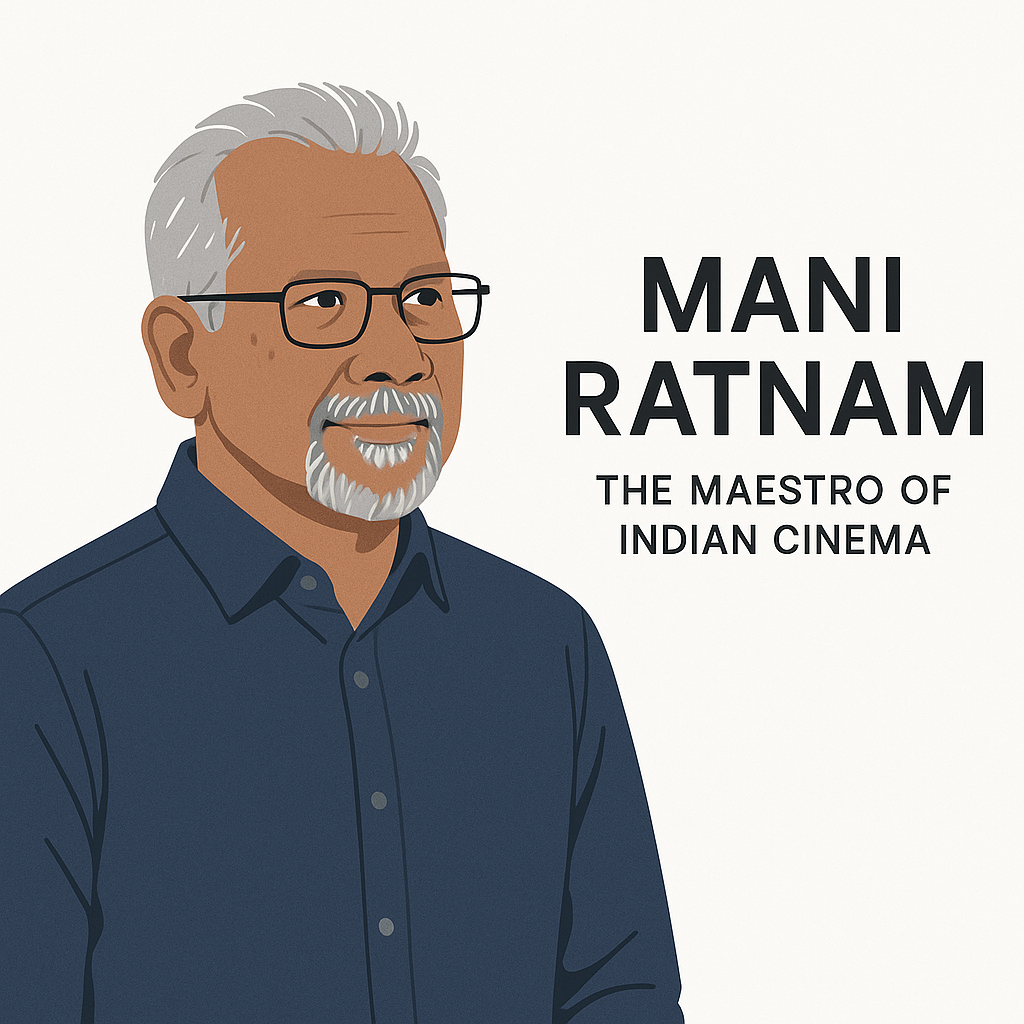
Mani Ratnam is a name synonymous with excellence in the realm of Indian filmmaking. Known for his unique narrative style and captivating visuals, Ratnam has carved a niche for himself in the industry, influencing generations of filmmakers and cinephiles. In this blog, we delve into his illustrious career, exploring his contributions, iconic films, and the impact he has made on Indian cinema.
Early Life and Career Beginnings
Born on June 2, 1956, in Madurai, Tamil Nadu, Mani Ratnam grew up in Chennai, where he was exposed to the vibrant culture and cinematic traditions of South India. Despite having a degree in business administration, his passion for films led him to the world of cinema. He started his career in the film industry as an assistant director, gradually working his way up to become one of the most respected directors in Indian cinema.
Game-Changing Films
Mani Ratnam's filmography is a testament to his innovative approach to storytelling and filmmaking. Here are some of his most influential works:
- Mouna Ragam (1986): A film that redefined Tamil cinema with its realistic portrayal of relationships and emotions.
- Nayakan (1987): A crime drama inspired by the life of Mumbai underworld don Varadarajan Mudaliar. It was included in TIME magazine's 'All-Time 100 Greatest Films'.
- Anjali (1990): A poignant story about a disabled child and her family's struggles, showcasing Ratnam's ability to handle sensitive subjects with finesse.
- Roja (1992): A milestone in Indian cinema, this film brought attention to the Kashmir conflict and featured an unforgettable score by A.R. Rahman.
- Bombay (1995): A bold narrative tackling the Bombay riots, known for its controversial subject matter and powerful storytelling.
- Dil Se (1998): A romantic thriller that highlighted the insurgency in Northeast India, acclaimed for its music and cinematography.
Distinctive Style and Techniques
Mani Ratnam's films are characterized by their:
- Visual Brilliance: Use of rich, dynamic visuals and meticulous attention to detail.
- Complex Characters: Well-developed characters that reflect the intricacies of human emotions.
- Social Themes: Exploration of socio-political issues, often challenging the status quo.
- Music Integration: Seamless integration of music scores, with long-time collaborator A.R. Rahman enhancing the narrative.
FAQs About Mani Ratnam
What makes Mani Ratnam's films unique?
Mani Ratnam's films stand out due to their compelling narratives, striking visuals, and profound exploration of social issues. His ability to blend entertainment with meaningful storytelling has made him a revered figure in Indian cinema.
Which awards has Mani Ratnam won?
Mani Ratnam has won several prestigious awards, including National Film Awards, Filmfare Awards, and international accolades for his remarkable contributions to cinema.
Who are some frequent collaborators with Mani Ratnam?
Mani Ratnam frequently collaborates with talented individuals like cinematographer Santosh Sivan and composer A.R. Rahman, whose contributions have been pivotal to the success of his films.
Conclusion
Mani Ratnam's legacy in Indian cinema is immense and enduring. His films continue to inspire and captivate audiences, reflecting his mastery in blending art with storytelling. As the maestro continues to make waves in the industry, his influence and contributions remain invaluable, shaping the landscape of Indian filmmaking for decades to come.


0 Comments