
The Wild Ride of LPG Pricing
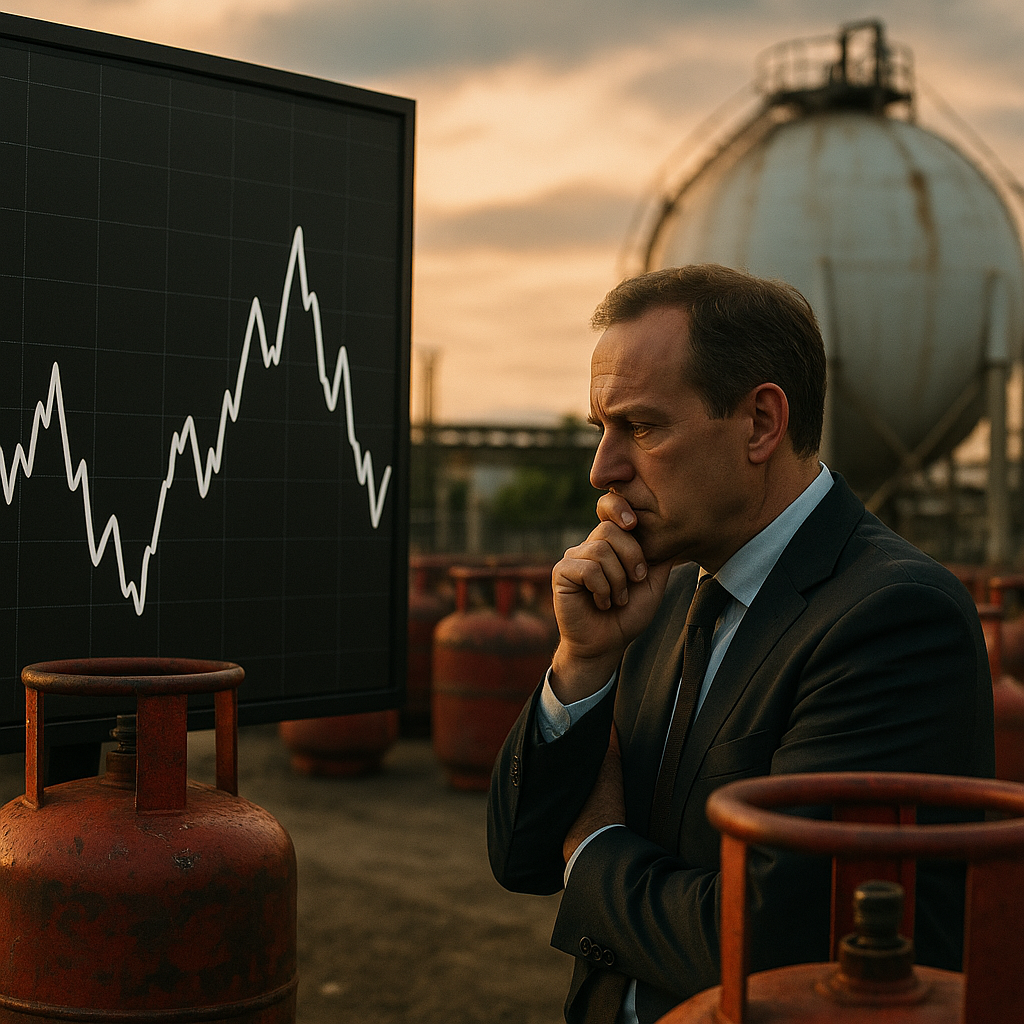
Imagine waking up one morning and realizing your fuel costs have skyrocketed overnight, no fault of yours. Sounds like a bad dream, right? Well, that's precisely what millions of households face every time LPG gas prices swing like a pendulum. The last 24 months have been akin to riding a rollercoaster blindfolded, and it's time we address the inefficiencies plaguing the industry.
The Statistics That Make You Go "Hmm"
In the data-obsessed world we live in, numbers often speak louder than words. Let's look at how LPG prices have behaved recently:
- In July 2023, the average price for LPG in the United States was $2.84 per gallon, up from $2.62 in January 2023. That's a 8.4% increase in just half a year.
- According to the International Energy Agency (IEA), global LPG consumption rose by 3.1% in 2022, pushing demand—and prices—through the roof.
- India, one of the largest consumers, experienced a price surge by nearly 15% in 2022, with the government struggling to offer subsidies amid rising global costs.
These fluctuations aren't just statistical blips; they have real-world implications that touch everything from household budgets to global geopolitics. **Why are people being slammed by unpredictable costs?**
Supply Chains: The Elephant in the Room
While it might be tempting to point fingers at political instability or economic policies, let's not forget the role supply chains play in this chaotic pricing. In the past two years alone, we've seen logistical nightmares upend global markets—from container shortages to port congestions. When these disruptions occur, LPG is no exception. A delay in shipment can send prices northward faster than you can say "price gouging."
Who Holds the Reins?
Here's a controversial thought: Oil companies may not be entirely to blame for these price swings. Sure, they have their strategic interests, but the real culprits often lie in the tangled web of international relations and trade agreements. Consider the geopolitical chess match—when countries like Iran face sanctions, their LPG exports drop, affecting global supply and triggering price hikes. Yet, we barely talk about it.
The Impact on Everyday Consumers
It's not just about numbers on a spreadsheet or a stock ticker. These price fluctuations have tangible impacts on ordinary lives. Let's break it down:
- Household Budgets: Increased LPG costs translate directly into higher living expenses. In countries where subsidies are minimal, families are forced to choose between cooking fuel and other necessities.
- Small Businesses: From bakeries to laundromats, those relying on LPG face challenging decisions. Do they absorb the cost, cut staff, or raise prices?
- Environmental Concerns: Higher prices can potentially push consumers to cheaper, less eco-friendly alternatives, hindering progress toward cleaner energy.
What Needs to Change?
So, what's the solution? Should we pin our hopes on government intervention, or is the answer buried in market dynamics? The answer isn't straightforward, but it's time to rethink our energy policies. Governments must consider:
- Creating more stable and transparent trading platforms.
- Supporting research for alternative energies.
- Leveraging technology for better supply chain management.
It's high time we start demanding accountability and transparency from those steering the ship.
The Road Ahead for LPG
The reality is, LPG prices will continue to fluctuate—it's the nature of the beast. But we can mitigate these swings through smarter policies and sustainable practices. The road ahead is fraught with challenges, but with informed action, we can hope for a less tumultuous journey.


0 Comments