
The Unprecedented Expansion: More Teams, More Drama?
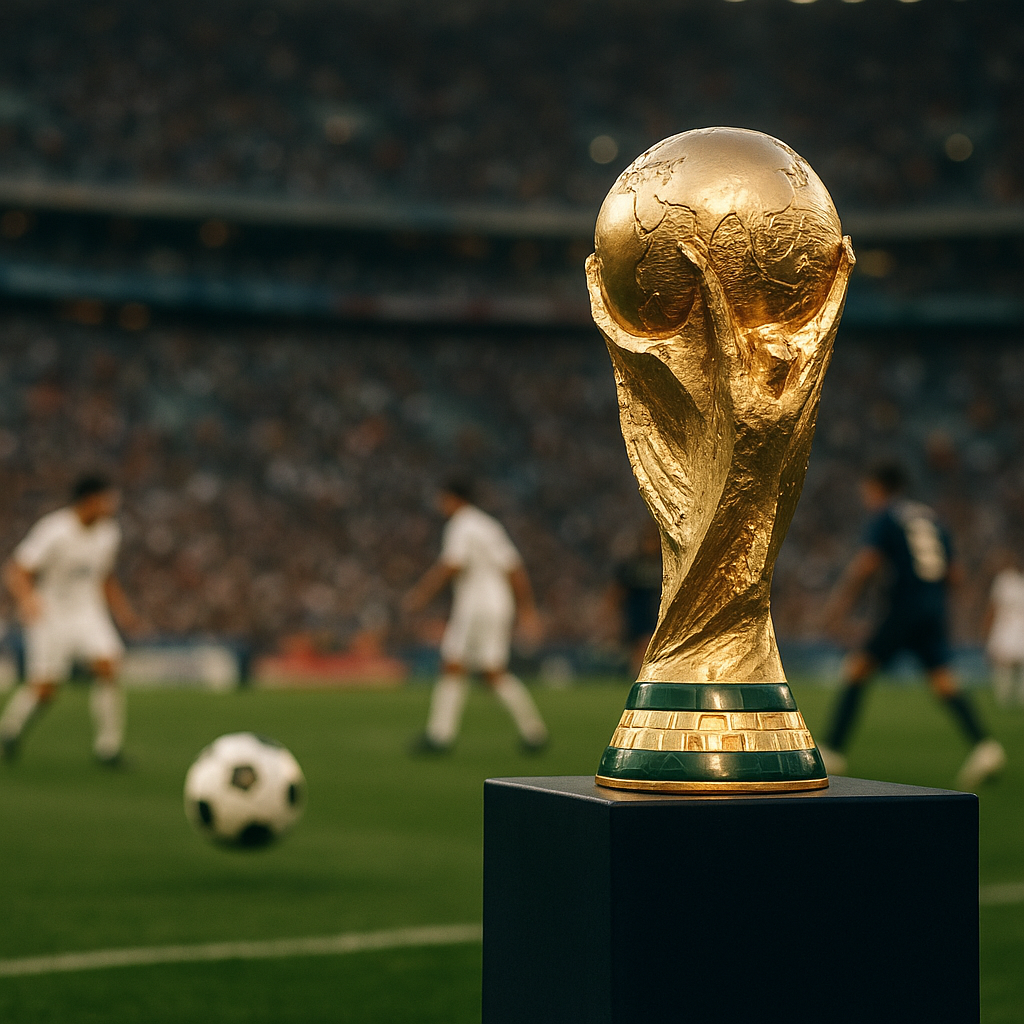
Hold onto your hats, folks! The 2026 FIFA World Cup will welcome an audacious 48 teams into its ranks. That's right—48 squads vying for the most coveted trophy in soccer. This jaw-dropping expansion is up from the traditional 32, marking a bold step into uncharted territory. Is FIFA's decision to inflate the tournament a stroke of genius or a disastrous move?
This increased number of teams might mean less competitiveness and more painfully dull matches. Remember the snoozefest during the group stage of the 2018 World Cup? With nine goal-less draws, fans were left wanting. But could expanding the tournament just multiply these dreary games? Only time will tell.
A Tri-Nation Host Affair: United States, Canada, and Mexico
The hosting duties for the 2026 World Cup have been handed over not to one, not two, but three nations: the United States, Canada, and Mexico. It's the first time in history that the tournament will be hosted by three countries. This arrangement sounds like a logistical nightmare, but it’s touted as an opportunity to showcase North America's passion for the game. Are we witnessing an era of collaboration, or is this a last-ditch attempt to spread the cost as thinly as possible?
Significant Dates to Circle on Your Calendar
- June 8, 2026: The opening match kicks off.
- July 3, 2026: The quarter-finals begin, and the real fight for glory starts.
- July 12, 2026: The grand finale, where dreams are either fulfilled or crushed.
With Canada having only one previous World Cup appearance and Mexico always the bridesmaid, never the bride, will the hosting nations push their teams to new heights? Or will we see more of the same with powerhouse nations like Brazil and Germany stealing the spotlight once again?
Land of Soccer Dreams or Corporate Schemes?
The United States, showing a massive surge in soccer popularity with Major League Soccer (MLS) attendance going up 27% over the past five years, is taking center stage. But will this World Cup truly bolster soccer in America, or is it just another vehicle for corporate interests to make a quick buck? Let's not forget the $500 million that Qatar reportedly spent on its World Cup preparation. Will the 2026 host countries be bogged down by similar financial burdens? Stadium upgrades and infrastructure improvements—it's all dollar signs and question marks.
The interconnectedness of Canada, Mexico, and the United States might offer fans an unparalleled experience, crossing borders like never before. But let's not lie to ourselves—a plane ride from Vancouver to Mexico City is hardly a quick jaunt.
Who Stands to Gain?
On the flip side, smaller nations stand to gain more exposure and maybe, just maybe, pull off some David vs. Goliath miracles. Countries like Iceland, which captivated audiences in 2018, could have more doors opened to them. However, with the additional places comes the potential for uneven matchups, potentially diluting the quality. Blame it on FIFA's numbers game or cheer it on as a chance for underdogs to dream big.
Here's a reality check: The 2026 World Cup could very well threaten the integrity of the sport we love. Or it could kickstart a revolution. Either way, the stakes couldn't be higher.


0 Comments